
The Beauty of Flowers and Its Amazing Impacts on Mental Health

Flowers are one of the most diverse species that belong to the plant kingdom. It has different lovely colors according to their species. More than 200,000 species of flowering plants have been named; it comprises nearly 90 % of all known species of plants. Some species of flowers have a mind-altering scent that can prompt and get the mind in a perfect condition. Many of us see them often but don’t know their functionality for MENTAL HEALTH. If you desire to boost your mental health, trying out some beautiful flowers could help out.

Being adjoined by the ambiance is a cure for all burdens surrounding the world. A beautiful garden lifts our mood and can ease stress. A garden full of beautiful flowers can also be a great companion while having a cup of tea or reading bunches of poems from your favorite poet. Books such as Stories and Poems from a Grandmother’s Heart by Kishwar Mirza. To make it more fun, Kishwar’s book uses animal characters to synchronize with the garden-like feeling while reading.

And according to recent research, flowers and plants have a positive psychological effect on health. So for the readers to be guided, here are some great impacts of flowers on mental health :

Beautiful flowers can increase our positivity for a more extended period.

Flowers don’t just brighten our surroundings; they also help bring colors and positivity to our lives. They act as stimulants to hit positive vibes. Flowers can set you free from anxieties, blues, and worries. You will feel less troubled, easy, calm, and collected. Flowers can prompt positive boosting energy and vibes over you, making you feel better. The smell of flowers alone can make you feel relieved and pleased. The flower scent is recommended solution for anxiety and distress. Perfect for workers and students after a stressful and taxing day.

Beautiful flowers improves creativity and work rate.

Flowers have been recommended for improving performance and boosting creativity, whether at workplaces or homes, even in schools. If you need a dependable and invariable imagination with much vigor and liveliness, try to appreciate every petal of the flowers in your garden. Get a flower placed in the room and see its impacts. This is not magic; it has worked for many, so that it can work for you.

Beautiful flowers fabricate Intimacy.

There are a lot of reports and research suggesting that there is a high rate of disconnections from friendships and relationships in this era. Even in isolation caused by the pandemic, the risk of being disconnected remains high, and it is projected for the coming years to blow even higher than before. This phenomenon only causes an increase in loneliness, and mental health is at stake. But sending and receiving flowers will end up the feeling of Intimacy and reconnection with your buddies.

Beautiful flowers help to remedy.

There are bouquets of flowers on the table beside sick individuals at home or in hospitals. Giving them flowers boosts a rush of healing and reduces blood pressure and fatigue if someone is ill. In the psychological aspect, flowers provide the patient with a sense of hope amidst the despair and melancholy they are experiencing.


The Traditions and Purpose of Telling Stories

Stories are all around us. The history of the human race is built upon layers and layers of story. This is, after all, what makes the human experience very different from other living creatures. Connected to this is our ability to find lessons and pick up meaning in the most mundane of stories. It doesn’t matter if it is a story told by the older man in the corner or if it is a book about an airline pilot. If someone can relate to that story, it will mean something to that person for the rest of their life. Such is the joy and beauty of the human experience.

The Need for Story Telling

Human beings are generally social animals. The first-ever stories were told because our ancestors needed to tell their stories in a narrative form. The first of these stories probably happened over some campfire sessions wherein the members of a tribe were sharing among one another how their day. One possible explanation is that these ancestors were bragging about their exploits and heroism for the day. Others might have been warning their companions about the dangers they faced that day so that their companions might avoid the same fates that they experienced. Whatever the reason may be, stories were first and foremost a bonding tool for our earlier ancestors as a way to express themselves, a way to bond with others, and even a way to serve as a warning to others about the dangers they encountered.

Oral and Written Tradition

Stories have been told for as long as we are telling them, and throughout this history, two traditions came into view as the primary way of sharing and telling stories: the oral and written traditions. Among the two, the oral tradition came first, with some thinking that it evolved along with the evolution of human languages.

Oral Storytelling

Oral storytelling is probably the more intimate of the forms of stories. In oral storytelling, the audience and the storyteller might be physically close in order for them to hear each other. Some of the more common formations would be that the storyteller is surrounded by the audience seated in a circular shape. Sometimes, the storyteller is even seated among the audience. In the telling of the stories, the storytellers might begin to add their own personalities and traits, and as such, the storytelling sessions will become a performance of their own. There are many ways a storyteller can proceed with his or her story. He might perform it in a straightforward manner, like an average story. Some storytellers opt to tell their tales in the form of lyrical prose or poems. Still, others tell their stories through singing, and others combine it with a dance, making it a full-on performance.

Written Storytelling

Just as with oral storytelling, written stories have existed for as long as the written word has. As such, the traditions of written stories of a particular place will depend on the development of their written system. The oldest piece of story ever written is the Epic of Gilgamesh, an epic poem that was written in cuneiform on a clay tablet. Literature, which is defined as a collection of written work, only advanced as writing systems developed. Johannes Gutenberg’s invention of the movable type gave had a profound effect on the advancement of written storytelling as it allowed printed works to be produced more accessible and faster. Before that, written copies of books and manuscripts were only usually owned by churches and nobles. With his invention, he allowed for the mass production of books, making them cheaper for the public, and soon, reading as a pastime became the norm.

Storytelling is part of the human experience. In fact, some could argue that it is the human experience. After all, the lives of people are just but one story after another. Stories are also windows to alternate universes or worlds that exist only in fantasy. These stories serve as a window and a mirror to the human experience for fantastical stories. In the most profound sense, life is just one big story, and it is up to us to choose how we tell them. How we make our stories end is really up to us.

Things To Consider In Making a House a Home

From the beginning of the civilization, which humans call home, is a mixture of comfortable living environments, decorative touches, and optimal climatic conditions. When everything else is in chaos, one that comforts you with its warm tranquility and embrace is your home. One that takes you away from the busy world is your home, where you do everything that floats your boat, so it is crucial to make and decorate a home that fits you and reflects the comfortability you are seeking. If you are trying to make one, you may consider these things for you to be guided for your comfort seeking endeavor:

In order to feel comfortable, your home should reflect your lifestyle. Bring designs and colors that remind you of your childhood memories and spark your emotions every time you see them. One that reflects the house is its roof. It is an integral qualification when it comes to protection and safety. Roofing Installation in Dundalk, MD helps you secure the roof that you wanted for your home. Roof design can be a game changer and your Home’s comfortable asset.

Knowing how to design a living room is essential. After all, living rooms are spaces at the center of our homes, both metaphorically and literally. So it is imperative to choose a perfect design and requires a great deal of work and loads of considerations to accept in terms of its practical and design-related aspects.

Beautiful and functional kitchen is so important. Many of our activities—cooking, cleaning, eating, drinking, etc. are done inside the kitchen and in order for us to be able spend the weekends with a great state of mind, our kitchen must set a tone of great deal of positive vibe and productivity.

Natural light and fresh air are also factors of comfortability. Homes that have more operable windows to let in the fresh air and natural light tend to be more attractive than the contrary. It is in on the window that is very appealing to sit beside it and

Water in the home can give a tranquil ambiance and calmness. Consider a fountain, or even looking at a pool or lake out your window can bring comfort. A home close to nature or a green environment can be beneficial to your state of mind. It gives you peace and tranquility. Also, just like art and animals, plants are well-organized for their ability to positively impact your mood and reduce stress, among other things.

Have some decorations. Art collections are a palpable choice. Research shows that simply looking at art can reduce stress and make you happy. And aside from the fact that we get a considerable boost of happiness and pleasure from looking at things that consider being beautiful, having some art collection inside your home can make it more personal and can build an identity that reflects you since the art is the reflection of your soul.

A house should be more than just a place to crash at the end of the day. Simple details and personalization of your home can capture feelings and warmth and pass those feelings on to you whenever you’re in space.

Whatever your inspiration is, please bring it to your home!

Alcoholism Kills

Alcoholism is a severe problem. Given the amount of drinking the whole world population does everywhere, every time, and all at once, there is no surprise that alcoholics can be found in all corners of the world. In the US alone, there are an estimated 14.5 million people aged 12 and older who are affected by alcohol use disorder. That is just in the year 2019. There is also an emerging trend of high-intensity drinking, that is, the consumption of alcohol at levels that are twice or more times the gender-specific binge drinking thresholds, and compared to people who avoid binge drinking, they are seventy times more likely to visit an emergency department due to alcohol-related incidents. The number changes to ninety-three times for those people who consume three times the gender-specific binge thresholds.

The consequences for people who are living with an alcoholic are also significant. According to a 2017 report, approximately 10.5 percent of children in the United States aged 17 and younger live with a parent suffering from alcohol use disorder (AUD), which roughly translates to 7.5 million children. Then there are the adverse effects that living with an alcoholic parent or spouse can cause.

The truth of the matter is that alcoholism does not only affect the person with the alcohol use disorder. Close family members of alcoholics also share the suffering and pain the illness causes. Chief among these is the emotional whiplash it will cause them.

Direct family members will feel different emotions ranging from anger, frustration, discouragement, and disappointment, especially when promises to stop alcohol consumption are repeatedly broken and alcohol abuse continue to increase. In some cases, these relatives even think that they caused this situation.

There are two possible outcomes for this, one is pushing the affected to get help, and the other is denial. With the first one, it will often create a conflict in the relationship, especially if the person with the disorder does not want to get help. In the latter situation, the alcoholic is enabled, thus, promoting or incentivizing their drinking habits.

Children are the most who suffer from living with an alcoholic family member. First and foremost, their home life would be missing the stability It needs in order for them to thrive. This usually means the lack of love and affection coming from a family member can give them anxiety and stress that will need therapy for the rest of their lives. There is also the high possibility of being emotionally or physically abused by a parent who is under the influence of alcohol. Such an ordeal will only magnify the aforementioned stress and anxiety that they will incur multiple times.

Given that environment is one of the factors for developing a drinking problem, children who live with an alcoholic parent develop the same issues themselves in the future. This cycle of substance abuse can last for multiple generations. Furthermore, given that these people will grow up to have low self-esteem, chances are they will use alcohol in order to cope up with it. Thus only creating another cycle of alcoholism as well as other disorders, ranging from social to emotional ones.

Alcoholism can also cause a tremendous financial burden. Despite the low price of most liquors, the amount that is accrued over time due to alcohol addiction will impact health, judgment, and performance at work as well as in their daily lives. The decision-making process of those suffering from alcohol use disorder is impaired, thus usually causing them to make mistakes, including financial ones.

Alcoholism can also bring forth impulsive behavior and couple that with gambling will undoubtedly lead to financial disaster.

However, the most significant cause of financial ruin due to alcoholism is another problem caused by alcoholism. This is the development of multiple health problems caused by the heavy consumption of alcohol. It is undeniable that health care costs a lot in the United States. As they seek treatment and cures for the multiple illnesses and medical conditions caused by alcoholism, their medical bill will also rise. And there is no shortage of medical conditions caused by too much alcohol, ranging from liver disease, cancer, pancreatitis, heart disease, hypertension, and alcohol poisoning.

Indeed, alcoholism kills.

Men of Mystery: Character Archetypes of the Spy Fiction Genre


Spy fiction is a type of fiction that mainly involves espionage as a plot device. It came to form during the 20th century, in a time marred with political intrigues and rivalries between major colonial powers, as well as the creation of modern intelligence agencies such as the Office of Strategic Service (O.S.S.) and its predecessor, the Central Intelligence Agency (.C.I.A.), the British Secret Service, as well as the K.G.B.from the Soviet Union. Spy fiction usually deals with themes of adventure, political intrigue, and scandals, as well as thrillers and politico-military thrillers.

The spy genre evolves with the times, and the cast of characters changes depending on the era. During the 1st World War, it was the Western Civilization vs. barbarism, as seen in “The Thirty-nine Steps” and “the Greenmantle.” Meanwhile, the Inter-war period featured enemies from the Red Menace and an accurate portrayal of espionage during World War I. Then came the turn of the Allies and the Nazis along with other fascists during the Second World War, with many amateur and everyman protagonists reluctantly engaging in espionage, such as that in “The Dark Frontier” and “Epitaph for a Spy” by British Author Eric Ambler. The Cold War probably had the most impact on the spy genre as both sides of the Iron Curtain battled in the race to get intelligence. This era introduced Agent 007 himself, James Bond, in Casino Royale, as well as Johnny Fedora in Secret Mystery and the more serious Alec Leamas in The Spy Who Came in From the Cold. Meanwhile, the modern era has Jason Bourne in the Bourne Series, Ethan Hunt in Mission Impossible series, and Joe Wilder from Frank Heller’s The Secret Empress fight terrorists that threaten to destroy the peace.

With multiple stories in its belt, it would be no surprise that the spy genre will form a pattern of conventions. Far from becoming clichés, these conventions or literary devices become the novelist’s tools to keep the genre fresh. A great example would be a spy novel’s cast of characters.

Cast of Characters

Like most novels, the spy genre has its share of character archetypes. Most of the time, these help the reader find who to root for, which is extremely helpful for a genre that is full of paranoia, betrayal, and backstabbing. This prevents the reader from keeping track of which people are on who’s side and who is currently betraying who.

First among the cast is, of course, the main protagonist. These are your James Bonds, Ethan Hunts, and Joe Wilders. Most of the time, they are portrayed as a suave and masculine figure. More often than not, they are part of a special force or former special services. Despite the majority of main protagonists being male, it does not mean females cannot lead a spy novel. Some of the more famous female spies include hacker Lisbeth Salander from “the Millennium Trilogy” and the titular Vera Kelly from Who is “Vera Kelly?”

The next character that any spy story needs is the weapons and tech guy. This is especially true for the more action-packed pieces of the genre. Without these guys, the main protagonists would be caught with their pants down. James Bond’s Q, the Kingsman’s Merlin, and Benji Dunn from Mission Impossible have supported their operatives for many of their missions.

A spy also has his female companion, or in the case of the female lead stories, a male companion. Most of the time, these female companions can be the romantic interest or the primary provider of intelligence for the main character. M, as played by Dame Judi Dench from the James Bond film Skyfall is of particular note as she not only serves as Agent 007’s companion but also serves as her superior. Other notable female companions include Ilsa Faust from the Mission Impossible Series, who is a more than fantastic spy in her own right.

In rare cases, the cast of a spy story includes a double agent. These are characters whose allegiance is unknown. Writers often use them as a way to keep the audience guessing on their toes. Sometimes, these guys could be the main antagonists themselves, such as in the case of August Walker, aka John Lark, in the 7th Mission Impossible movie.

 Lastly, the spy genre would often include a character for External Assistance. These are usually one-off characters that just appear in one part of the story. Authors often employ them as a way to keep the story going. More often than not, these characters die after they have served their purpose in the narrative, usually to show that the world is dark and unjust.

Storytelling: A Gift of Love and Bonding

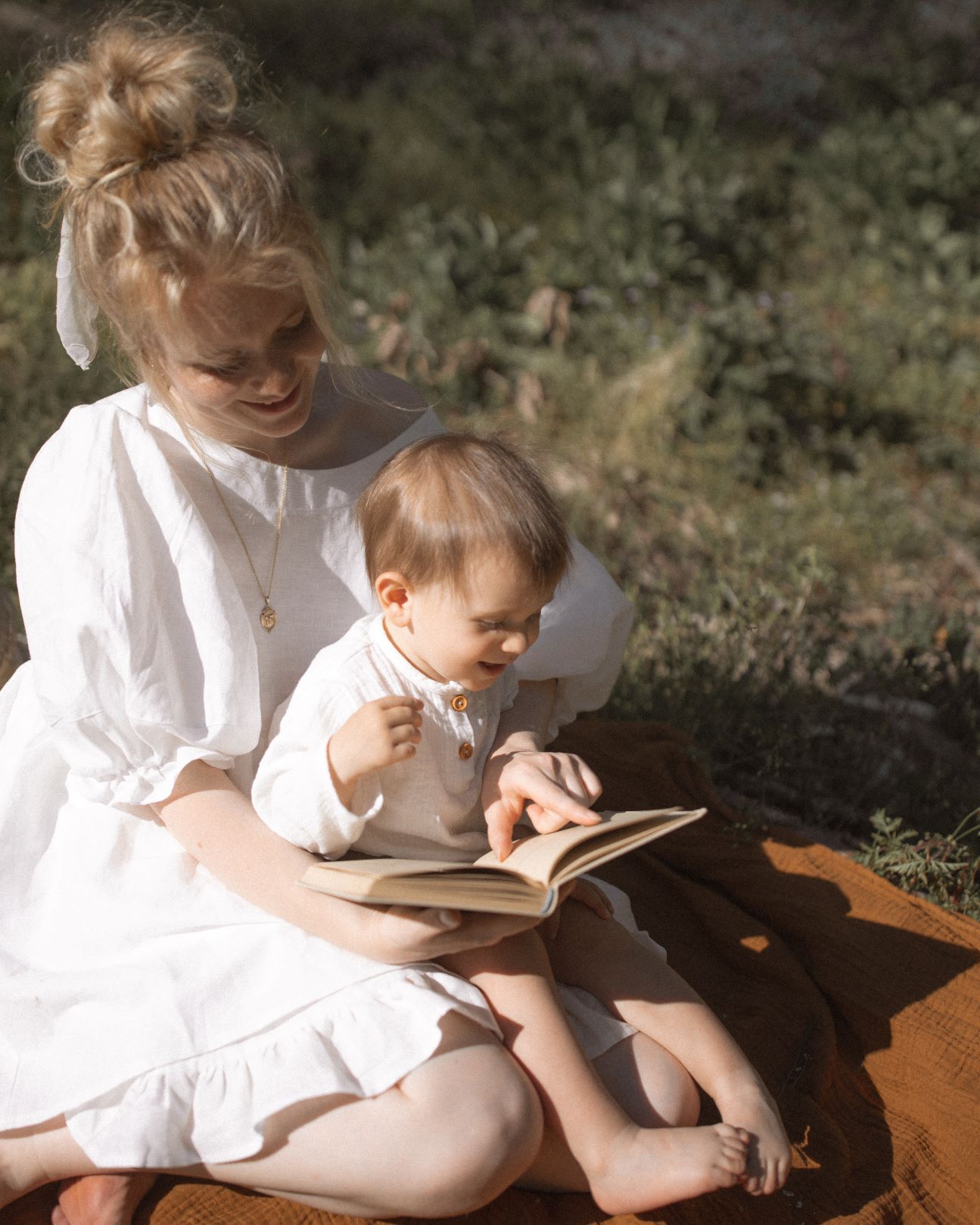
When people mention the word storytelling, what often comes to mind is the depiction of children gathered and sitting around a person telling stories, using hand gestures to dramatically describe the characters and what they’re doing. Author Jo Ann Gramlich’s Talk, Play, and Read with Me Mommy book is an interactive, fun, and engaging book meant to help enhance and improve a child’s language skills during the early years. The book is excellent literature for stimulating a child’s imagination which is also a key component for storytelling. Although storytelling takes a lot of different forms and applies to people of all ages, it remains one of the most effective ways to stimulate children’s language growth along with their mental, emotional, and social development.  

Storytelling & the Child

Storytelling all begins with a book, a story, and a child’s imagination. Children have this natural curiosity about anything and everything surrounding them. From the time they are born into this world, their curiosity begins.  This is evident through their squinting behind those tiny eyelids, processing everything they see, and trying to make sense of all the shapes, sizes, and colors their eyes can pick up. Just as the environment around the newborn is a whole new world to them, so are the stories being told in storytelling that presents a whole new fantasy for the young listeners.  

Benefits of Storytelling for Children

Improves Listening Skills

One of the challenges for teachers, parents, caregivers, and even babysitters is trying to keep the  child’s attention and making sure that they focus for a more extended period. Especially in this day and age when there are a lot of distractions coming out of the woodwork in the form of mobile devices and social media. The challenge of holding a kid’s attention for an extended period has since doubled. A child’s mind tends to wander off, not focusing on the task or subject at hand. That’s where creative storytelling comes to the rescue. How imaginative, playful, and engaging storytelling is will determine how compelling a storyteller can be when capturing and focusing the attention of their young listener. This, in turn, increases a child’s listening skills, memory abilities, and a child’s capability to pay close attention to the details of the story being told. 

Stimulates Imagination and Critical Thinking

Storytelling also helps to stimulate a child’s imagination and thinking skills. The way the plot is being told makes the child recreate the scenarios in their head, opening up an opportunity for them to come up with inferences and conclusions to the story different from what was told. Storytelling also encourages a child to engage in role play by acting out characters and actions along with applying some critical thinking skills by forming their opinions based on the story’s characters and related events.  

Improving Communication Skills

Improving communication skills is also one benefit of storytelling for a child. The engaging way the story is being told encourages the child to interact and express their thoughts and feelings. The interaction also helps them develop and use related story vocabulary. Since they are in their formative years, storytelling is the best outlet for them to apply and relate to all the new words that they have learned.

Develop Cultural Awareness

What best way to know and understand a culture than through storytelling? Storytelling opens up the child to an awareness that other cultures, people, and places exist. Through the stories, they learn about other animals that live in different parts of the world and become appreciative of the various natural wonders found in different places. More importantly, they develop a knowledge and an awareness that there are other people of different backgrounds with different languages that exist out there in the world. Storytelling is the best way to start a child on culture and diversity awareness and appreciation journey. 

Builds Up Bonding Experience

Perhaps the best part of the storytelling process is the shared bonding moments between parents, caregivers, and their child. Aside from the mental and social attributes developed through the storytelling process, a child’s emotional growth is also stimulated. There is that warmth and contented feeling when a parent does the storytelling. The child feels more comfortable opening up and expressing their thoughts, feelings, and ideas with someone they know and with whom they feel secure with.  

At the end of the day, storytelling is more than just an educational experience. It is an opportunity to create memories and share special bonding moment together especially between a parent and their child. Storytelling also becomes an occasion to express the love that they have for each other.  

One-Shot at Life: The Importance of Caring for Nature and the Environment

One of the indispensable and perhaps the most controversial topic in this day and age is the environment, nature, and the climate setting. It is a subject with the broadest reach and the widest impact when it comes to decision-making. Nature is not only about the trees and the plants that people see in the wide outdoors. Nature also covers the wildlife and all living species existing as part of the environment’s landscape and as products of this earth. Who’s Knocking At My Door?: A Country Pond Tale by Terrie Stadler is an engaging children’s book that tells the story of the time when a softshell turtle ended up on the author’s front door. The author then proceeded to write a story about the incident, coming up with interesting scenarios that tend to stimulate a child’s interest in nature and wildlife and, more importantly, how to take care of such. 

Why should people care about nature?

There are a lot of reasons why people should give a great deal about caring for nature. A glaring and probably top reason is the current extreme weather disturbances experienced worldwide. Nature attacks, as some would call them, are the unusual increasing frequency of tornado occurrences throughout the States and is something that nobody could turn a blind eye to. Disturbing weather events such as typhoons form and happen in seasons when it’s not the typhoon season. 

The abnormal recurring weather phenomena such as the La Niña and El Niño also served as warning signs that something is terribly wrong with nature. Animal migration, plant and tree reproduction, and the entire ecosystem are part of the ripple effect if something happens with nature. 

These are some of the few disturbing circumstances that put gravity on the thought of why people should (and must!) care for nature and the environment. 

If people start caring…

The earth is one amazing place to live in, and the most breathtaking spectacle to behold is right out there, free for everyone to appreciate – nature itself. More than just its splendored beauty meant to be enjoyed, this earth’s grand jewel is also meant to supply the needs and resources to maintain and sustain human existence. The question is, what would be the consequences if people started to really, really care for nature and the environment?  

Living in a safe and healthy environment

One of the ways to start caring for nature is to make sure that it does not get destroyed due to human abuse or negligence. This primarily means to help prevent the environment from getting polluted, especially pollution that comes from the garbage. Water pollution due to the presence of hazardous, non-biodegradable waste materials results in unclean and unsafe drinking, bathing, and cleaning waters. Land pollution creates infertile land, affecting agriculture and eventually impacting the food supply. Air pollution caused by the burning of fossil fuels, industrial gas emissions, wildfires, and open area burning of garbage affects the respiratory system primarily, leading to lung cancer, asthma, and even developmental issues such as low birth weight, autism, retinopathy, etc.     

Ensuring that the environment stays clean and pollutant-free reduces the risk of these pollution outcomes. If people start seeing to it that the land, water, and the air are free from garbage or any radical waste, then the guaranteed result is that people live overall healthier lives.

Balance in biodiversity and ecosystem

Biodiversity refers to the different available varieties of plants, animals, and other living organisms. The ecosystem is where the animals, plants, and other living organisms live and work together for their survival. The balance between biodiversity and ecosystem is very much crucial when it comes to sustaining nature and the way of life. This commonly refers to the balance in the food chain to ensure the survivability of all living organisms. For instance, the number of prey and predators should be balanced. If there are more predators than prey or even vice versa, the food supply is ultimately affected. Predators starve from lack of available food if there is a lower number of prey. If there are more prey than predators, the number of predators increases until it reaches a point where there are more predators than prey. 

Same with humans and their food consumption coming from animals and plants. If nature is disturbed and disrupted because of pollution, then food resources for humans either become more expensive or become lesser and lesser. For one, ensuring that the consumption of resources is not abusive and excessive is a way to preserve nature and balance in the ecological system. 

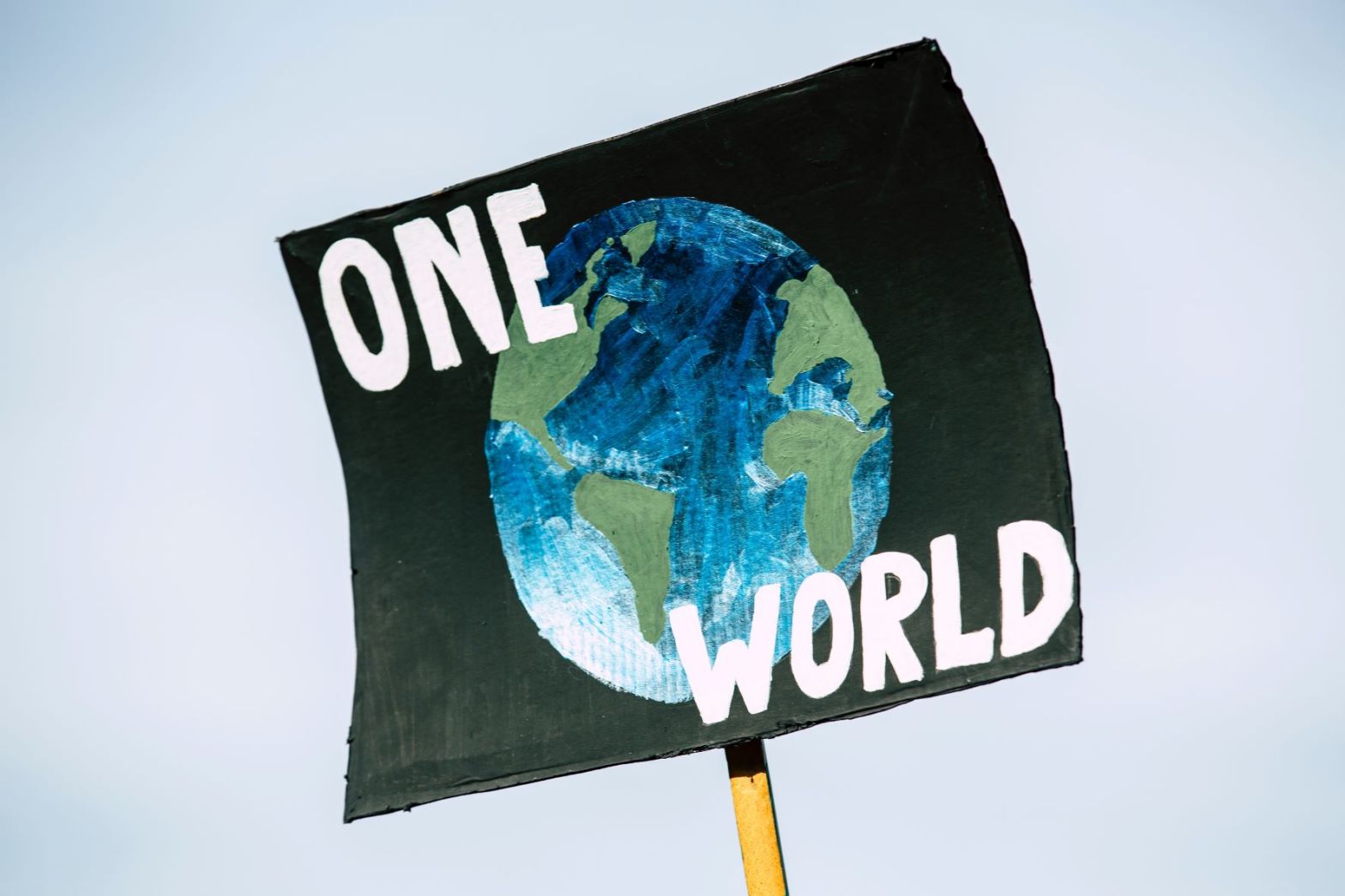
Everyone shares and has a say in this world that we live in. More importantly, everyone has a significant role in ensuring the earth’s and its inhabitant’s survival. It is an indispensable responsibility that everyone shares. After all, there is only one nature, one environment, and one shot at life. 

From Baldwin to Jenkins: African American Art on Beale Street

The hardships faced by the African-American community is one of the most well documented around the world. Theirs is a storied history as old as American itself. It is a story of triumph. It is a story of defeat. It is a story of peaceful protest. It is a story of bloodshed. It is a story of great men, of heroes who have given their all to the bitter end, and bitter did their lives end. Above all, it is a continuing story. Their story of Black Men and Women waking up in a country that does not value them still continues and it will continue for a very long time.

Art is an expression of the human condition. Art can be expressed with different mediums. Written words, melodies sung, or pictures both still and moving, no matter the form, art has one general purpose and it is to amplify the message that creator intends to deliver. Unsurprisingly, with such a storied history, the African-American community has its fair share of arts and artists. There are no stopping Black American authors in telling their stories. Novels like American’t by King Bell, Their Eyes Were Watching God by Zora Neale Hurston are just a few of the more contemporary work which tells the story of the African-American Experience. One notable work among others is that of James Baldwin entitled If Beale Street Talk. This work is so significant and so timeless that it has been adapted as an Academy Award nominated film of the same name directed by Barry Jenkins.

If Beale Street Could Talk

If Beale Street Could Talk is a 1974 novel written by acclaimed American author James Baldwin. It tells of the story between 19-year-old Clementine “Tish” Rivers, who serves as the narrator of the story, and her lover, 22-year-old Alonzo “Fonny” Hunt, who is a sculptor. Their love story started since childhood and soon become engaged. They consummate their love and Tish becomes pregnant with a baby. Tragedy strikes when Fonny is falsely accused of raping a woman. He is arrested and jailed before the trial. The story then focuses on the hardship of that Tish has to deal with as they cope with a criminal justice system that fails to deal with Fonny’s wrongful accusations.

Baldwin’s story deals with the themes of the bigotry of religion and some of its believers, the love and acceptance found in the family and the inequalities of the criminal justice system.

In 2018, almost forty-five years after it was first published, It was adapted into a film by Academy Award winning director Barry Jenkins. The film stars Kiki Layne as Tish Rivers, and Stephan James as Fonny Hunt. Supporting cast includes Regina King as Sharon Rivers, Tish’s mother, Teyonah Parris as Tish’s sister Ernestine Rivers, Brian Tyree Henry as Daniel Carty, Fonny’s recently released friend, and Ed Skrein as Officer Bell, a police officer who harasses and testifies against Fonny among others. Regina King was nominated for a Best Supporting Actress Oscar for which she handily won.

The film garnered positive reception praising the afformentioned King’s performance. Critics praised it a as a beautifully filmed adaption. Director Barry Jenkins was praised for further strengthening his visual and narrative craft.

Aside from winning the Best Supporting Actress Oscar, the film was also nominated for Best Adapted Screenplay and Best Original Score.  In the Box Office, it grossed over 14.9 million dollars In the United States and Canada with a worldwide total of 20.6 million dollars.

James Baldwin

James Baldwin was an acclaimed African American author.  Born on August 2, 1924, he garnered a lot of general acclaim. He is one of the most famous Black American authors. Some of his other works include Go Tell It on the Mountain, his first novel, an essay collection called Notes of a Native Son among others. Even after death, he remains famous with his books and essays still being widely circulated. An unfinished manuscript, Remember This House, was expanded and adapted into a documentary called I Am Not Your Negro back in 2016. He died on December 1, 1987 in Saint-Paul-de-Venice, France. He was 83.

Barry Jenkins

Barry Jenkins is an Oscar Winning African American director. He was born on November 19, 1979 at Jackson Memorial Hospital in Miami Florida. He is the youngest of four siblings whom he does not share a father. He was raised in Liberty City, a neighborhood in Miami by an another older woman. Jenkins studied film Florida State University College of Motion Picture Arts. He won his first Oscars for Best Picture and Best Adapted Screenplay for Moonlight, an adaptation of In Moonlight Black Boys Look Blue, a play by co-screenwriter Tarell Alvin McCraney. On adapting If Beale Street Could Talk, he worked closely with Baldwin’s estate and was given handwritten notes on how to approach the film version.

World Traveling: The Best Way to Get the Most Out of Life

Traveling means that there is movement. More than just getting from one place to another, being transported to a different place, more than just buying that ticket and packing up your bags and just going, traveling takes on a different meaning when you want to experience life on a different level. For Mike Honeycutt’s World Travel, in his book Mike Honeycutt’s World of Hunting and Fishing, traveling is a passion for traversing the world in search of the most exotic animal species on the planet. For a lot of people, traveling is about disconnecting from their reality and going and exploring another world. For others, traveling is a form of therapy, a form of healing for someone recovering from an ailment. Then there are others who see traveling as a form of relaxation. 

Payoffs of Traveling the World

Traveling can be for business purposes, a personal visit, or just a simple getaway. But what makes traveling the world the best way to travel? What is it about visiting different countries and experiencing different cultures that should make it the favorite choice of traveling?

World Traveling Improves the Overall Health

One of the most significant benefits stemming from packing and seeing the world is the wonders it does for a person’s overall health. First, the act of exerting an effort of buying tickets and packing is a break from a routinary life. Seeing new surroundings, new people, and culture and immersing yourself in these experiences helps you reset and get away from the stress accumulated in your normal daily routine. Think of it as a form of a needed distraction, albeit temporary. A day of not worrying is taking a break from the stress and tension you’re used to. When a person is stressed, the nerves and the muscles are taut, leading to different health problems. Immersing in stress for too long also leads to being burnt out. The remedy here is to take a break, and what better way to do it than to relax and travel the world?

World Traveling Boosts Your Creativity

Seeing new places and new faces stimulates your mind. If you’re an artist looking for new ideas to explore, world-traveling is the best way to boost your creativity. When everything is new to you, your mind gets to thinking, coming up with ideas and different interpretations. You’re mentally inspired and motivated in coming up with creative ideas. Engaging and communicating with people from other cultures also gives you these inspirations that make you combine what you have learned from other cultures and form them into a single solution. In fact, when you’re in the midst of a problem-solving crisis, and you are desperately nowhere near coming up with a solution, taking a break, seeing the world might be the push you need to get back on the planning board! A lot of people who returned from their world travels reported feeling refreshed and invigorated. That, in effect, helps them function well at work and, yes, get innovative.

World Traveling Changes a Person

Seeing and experiencing the world can change a person’s perspective in life. Getting to learn about new cultures increases the person’s appreciation for diversity. Not only that, it also affects the overall character of a person. Meeting and interacting with people from different races makes a person more open-minded. Just the act of attempting to communicate in a different language helps a person’s spontaneity. A person also becomes more confident as they traverse through foreign streets and roads, not knowing where to go, with only a map, a translation guide book, and their courage to ask questions to native local citizens to help them along the way. And, of course, a person becomes more constructive and productive. Instead of just sitting in a cafe in a foreign street the whole day, not knowing where to go and what to do, they come up with ways to make their stay in that foreign place worthwhile. They get up, often walk, pick up the tourist guide book, visit famous places, take part in any outdoor adventure trip, take pictures, participate in any festivities, and make new friends along the way.  

Traveling is more than just a movement of getting from one place to another. It entails enjoying the bits and pieces that come during the traveling process. It’s all about those people you meet along the way. It is about new places you haven’t been to. It’s about tasting the food and immersing in the language and culture you are new to. It’s about traveling the world, the best way to get the most out of life!

Painting and the Painter

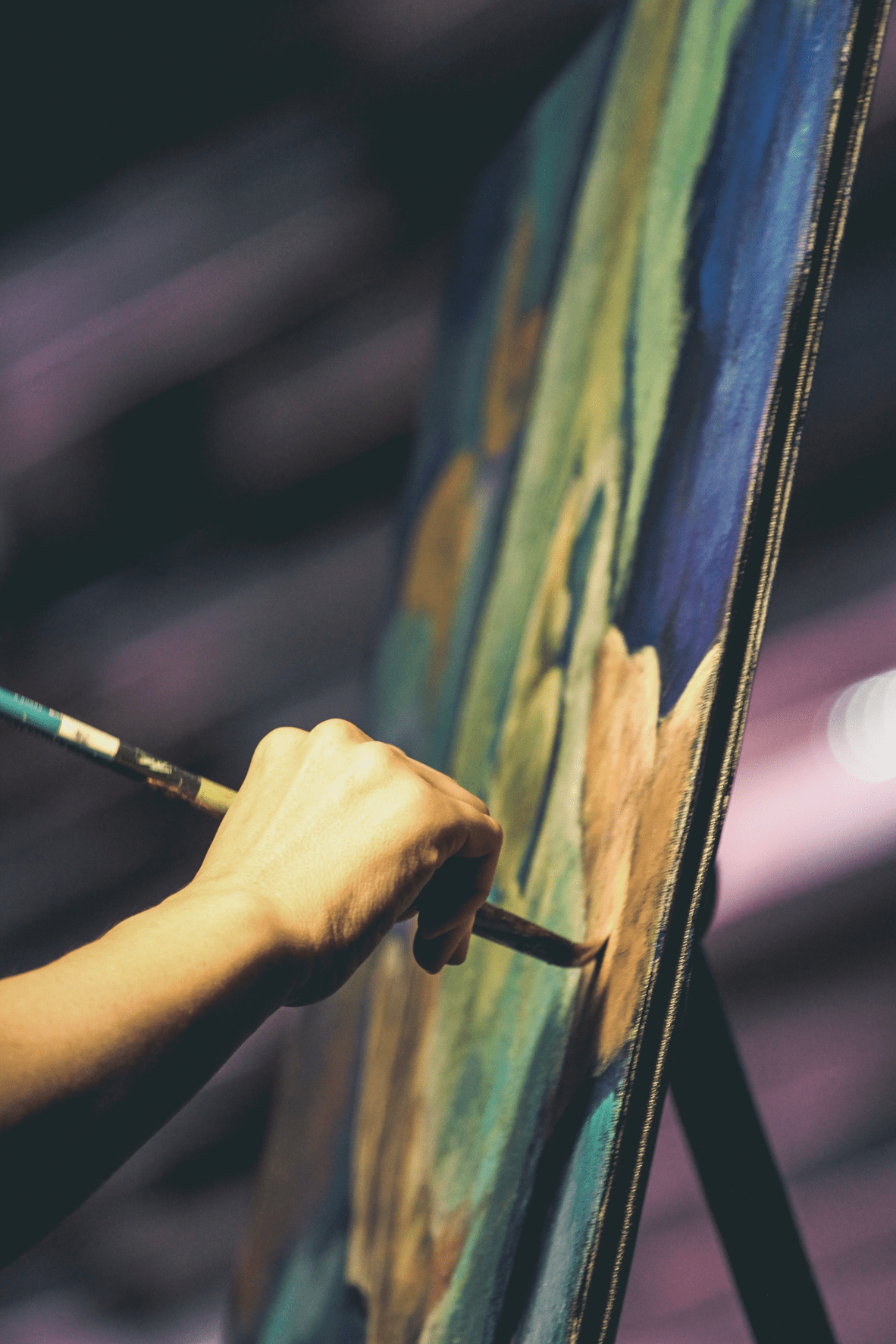
Painting means something different to each person who holds the brush. Painting can be a way to express one’s deepest thoughts and feelings. Painting can also be a way to educate people. Painting is so versatile as a method of transmitting a message that it is sometimes used as a revolutionary communique to effect change in a government or a particular situation. Or, it can be as simple as a show of love and affection for the environment. Natalia’s Paintings exemplifies a child’s passion for painting and love for natural life and the environment. Painting is such a profound art and so flexible as a means of communication that anybody, literally anybody, can choose and learn to be a painter at one point in their life.    

Painting Through the Ages

Art is primarily used as a form of communication. Painting is one of the oldest forms of artwork, if not THE oldest among all art forms. People, by nature, are visual learners. By birth, an infant adapts and learns from the shapes and colors their eyes perceive, even no matter how blurry and unclear it comes to them at first. Over time, as the infant progresses into adulthood, their visual perceptions become the source of translation for the meaning of the words they started to learn. Imageries and colors play a significant role in a person’s development. And painting is a perfect example of art with all those components: image and color.

Painting also plays an essential role in understanding history. It is an art form that gives an understanding of how the human mind processes and works throughout time. As early as the stone age civilization, way before letters and words were formed, images were depicted on cave walls drawn by early cave dwellers. Cavemen have “painted” these colorful images of the surroundings that they perceived around them. From early forms of animals, plants, volcanoes, water forms, and even figures of what presumed to be their fellow dwellers, cave dwellers painted these images on their walls as a means of conveying their intention, telling stories, entertaining, or even as an unconscious effort to record events. 

Fast forward to eons of centuries, the early Egyptians were very fond of painting as a way to preserve posterity and convey life messages, whether for the living person or the dead, in their journey in the afterlife. The more vivid and colorful the walls of the pyramid are painted, the more it tells that the person who is buried within those walls is somebody who is very important. Even face painting is popular in Egyptian culture as a symbol of status and beauty. 

The Egyptians also started the trend of self-portrait painting. The early Greek and Roman civilization are also painting enthusiasts. Both civilizations are also big on paintings, whether it’s paintings on a vase, plates, bowls, even on sculptures and columns. Not to mention self-portrait painting as well. These painting traditions have been carried over through centuries and generations, evolving into several different styles such as Impressionism, Surrealism, Modernism, Abstract, and many more.

Painting is an expressed form of art and the earliest art form as self-expression. Preceding oral and written language, people who cannot express their thoughts and feelings into words turn to paint as another way of relaying their message. For instance, a painter who has a deep love for nature would naturally incorporate the environment in their paintings. A politically passionate and motivated painter tends to use Impressionism as their style of painting to depict their emotions or passions. A painter who has deep angst in life would often go for an abstract portrayal of their emotions. 

Painting is also used as a form of therapy. Since it is also a form of self-expression, the routine itself of holding a brush, choosing colors, and coming up with images promotes a sense of calmness that helps even the most anxious and depressed person. Not only is painting a form of stress relief, but it also boosts a person’s creativity by working out the artist’s imagination of coming up with pictures to paint. Painting also improves motor skills through the hand coordination techniques applied when painting and helps strengthen a person’s memory as they reproduce their reactions and emotions to their environment through their artwork. 

As a form of art, painting can be very personal to the painter. Or, it could be done as a form of profession. Even so, the artist always has a part of themselves embedded into their artwork, whether it’s a commissioned work or not. Nevertheless, anyone can be a painter. It’s simply a matter of picking up that paintbrush and starting filling up that canvas according to what the heart dictates.

Design a site like this with WordPress.com
Get started