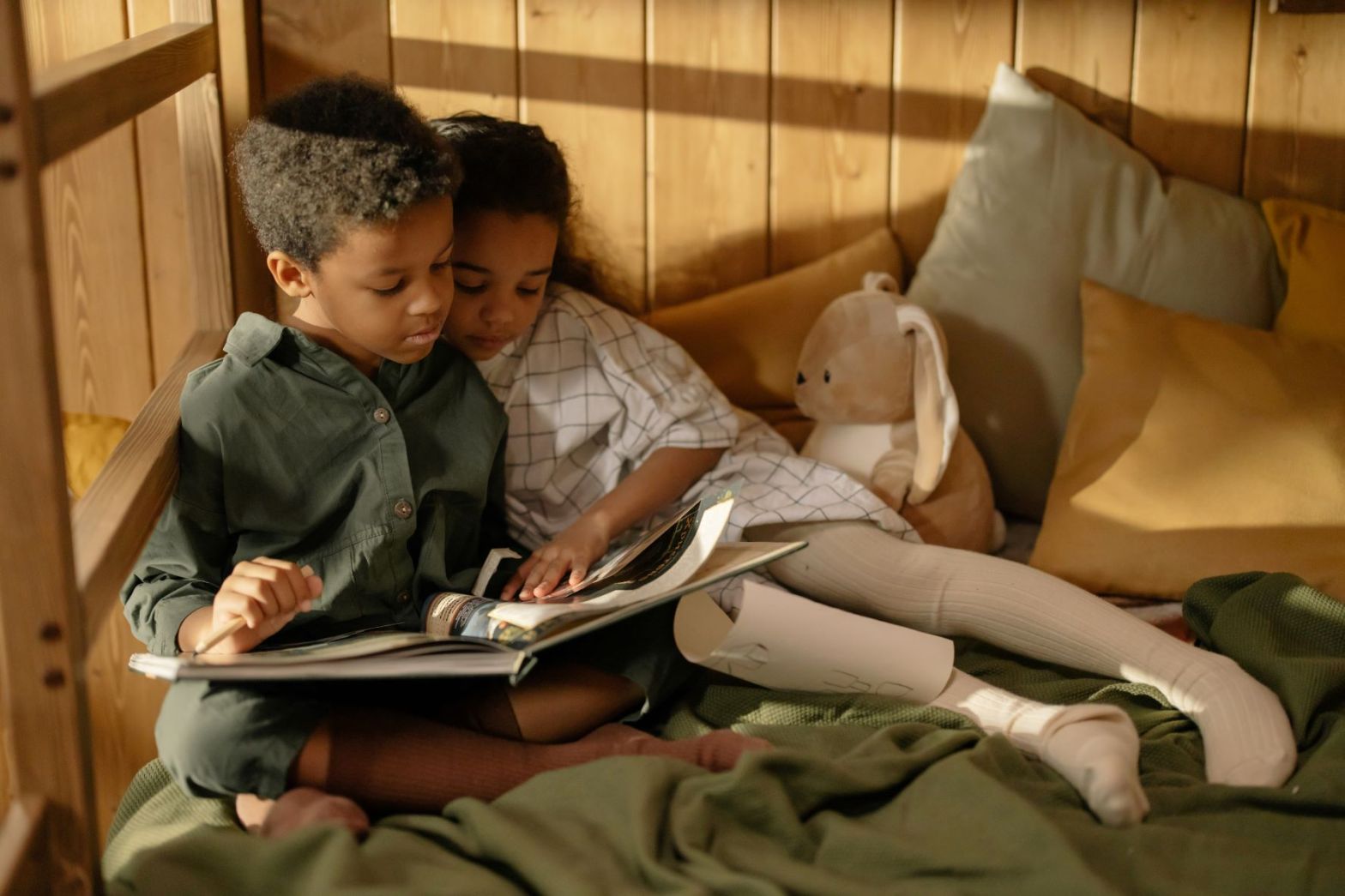

Essential Skills That An Aspiring Caregiver Must Have

Photo by Kampus Production

Caregivers make a significant difference in the lives of the people they touch. But the reality is that only some people’s cut out for this job since it takes many things to be mastered.

Caregivers need a lot of positive and resilient skillsets that will be useful to them as they venture on to this career. To be ready and able to become the best caregiver you can be is a list of some essential skills and qualities you must learn to become the best caregiver you can be.

1 – You need to show compassion.

Compassion is when you can connect with someone else in a way that you understand what they’re going through. When you have heart, it makes you want to help them when they have problems—being compassionate means listening and communicating with utter sincerity.

It is crucial because, in caregiving, you are giving your time, energy, and emotional capacity to other people, which can be draining for someone who has too little of them. So if you want to be a caregiver but lack compassion, you must honestly reevaluate whether this job is for you.

2 – Communicate effectively.

Excellent communication skills are fundamental in any job, but this is as crucial as having compassion in caregiving. Caregivers spend a great deal of time talking to patients, families, doctors, and colleagues, so they need to be sharp in communicating each other’s needs.

Caregivers also need to be good at written communication, especially with people in the industry. It helps them become well-versed in interacting with family members and other healthcare professionals.

3 – Having interpersonal skills is vital.

Caregiving is a very social job. It is not built for people who have a hard time interacting with people daily. That doesn’t mean you must be an extrovert to become a caregiver, but being able to talk to people and establish rapport will be beneficial.

Having interpersonal skills lets you build open relationships with your patients, especially when they feel isolated and lonely because no one reaches out to them. It will help cheer them up when they have a trustworthy companion that understands what they’re going through.

4 – Be observant of everything and everyone around you.

You need more than just talking to people or writing correspondence to colleagues and doctors. It would help if you had intense focus since some patients have difficulty articulating their needs or accurately describing their feelings.

As the caregiver, it would help if you were alert enough to determine their needs and observe their habits. It would be best if you had a sharp eye to keep looking out for changes in your patient’s overall health and actions. This skill will help you as you note down your reports during home visits and facility rounds.

5 – Time management

You are still responsible for your time and must ensure that you do your job productively within the shift. A good caregiver knows what tasks to prioritize, works efficiently, and is not burdened by challenging tasks.

6 – Staying organized

You can’t be an efficient caregiver if you are disorganized.  Caregivers must be able to access whatever items are necessary to meet the challenge of the moment.  If you do not live with your patient, then you must ensure you have an organized bag for the visit.

Being ready for every emergency is also part of the job. In every untoward incident, every second counts, so caregivers need to be alert to whatever comes their way. It pays to be organized as a caregiver and simultaneously retains composure in times of emergency.

7 – Incredible patience and flexibility

This goes without saying – you can’t be a caregiver and not have the qualities of patience and flexibility. Taking care of patients full-time is challenging enough, especially when they have irrational or in critical moments of other health or medical episodes.

In the caregiving profession, you’ll be dealing with many patients who throw tantrums and have accidents that you have to clean up, which can be very frustrating. Even if you feel like falling apart on the job, resting for a while is okay. There are ways to cope with burnout and stress so that you can take care of yourself better.

In Conclusion

Being a caregiver is not easy at all. You have a lot to prepare for, which can be physically, emotionally, and mentally draining. But with the proper guidance, like people close to you or a book about how to become a caregiver titled ‘One Caregiver’s Journey’ by Eleanor Gaccetta.

A robust support system within the job is also important to power through and keep yourself sane. After all, being a caregiver requires your total capacity as a human being so that patients are well taken care of.
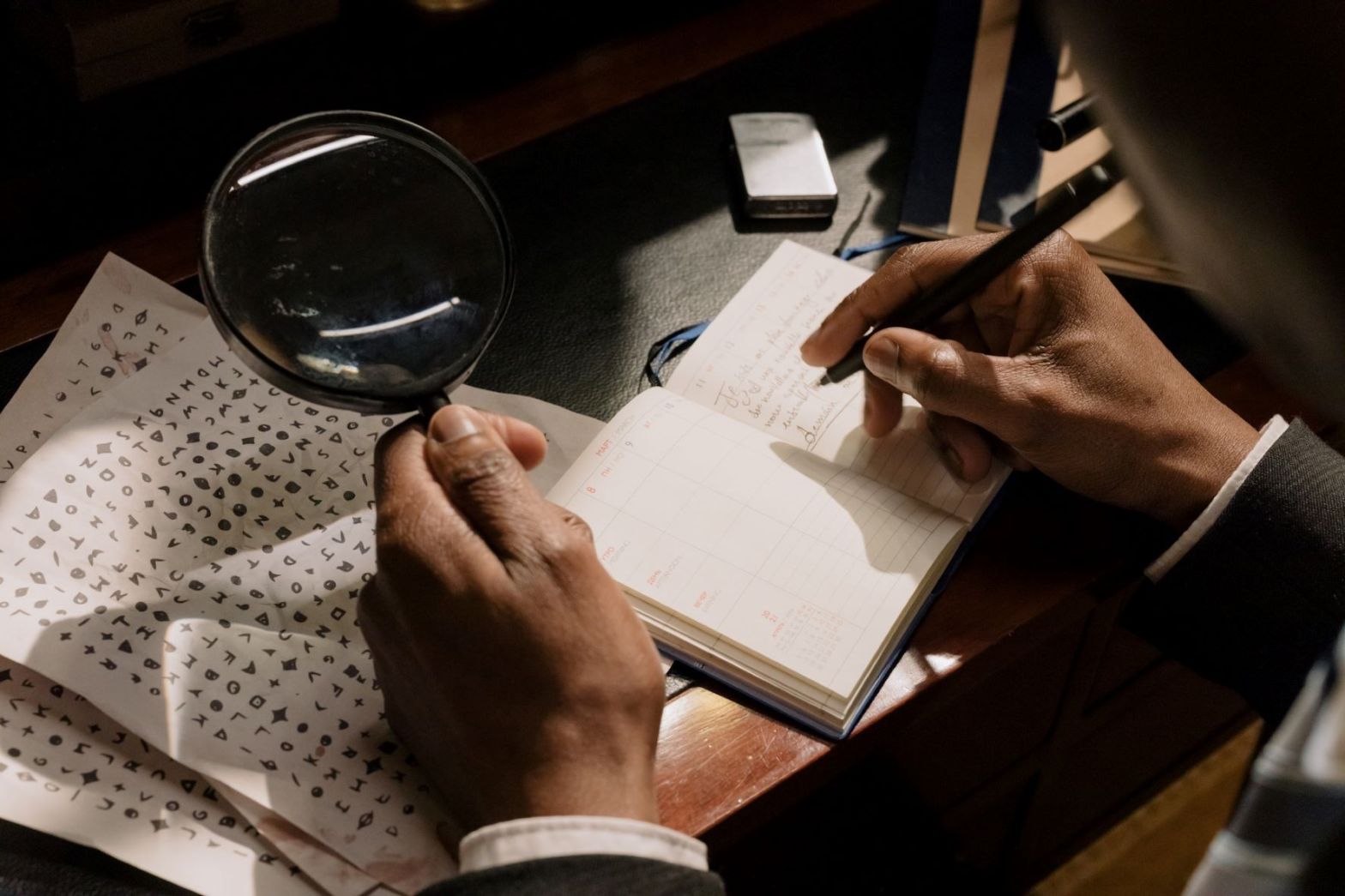

The Appeal of Short Stories: Reading for Pleasure and Rumination

Photo by cottonbro

Brian Clements’ book, a collection of short stories and poems, is thought-provoking and makes sure to give readers ample sustenance for meditation and new perspectives to take.

As one of the 20th-century’s most lauded writers, famous for his dark humor and provocative prose, Kurt Vonnegut once said about reading and writing that they “are the most nourishing forms of meditation anyone has so far found.” He further explained that it is through reading that people can self-meditate with their minds and on the writers’ thoughts.

Good literature allows readers to think about their perspectives relative to the themes laid out in the piece. Still, the best literature gives readers another point of view to work with: the authors’ standpoint.

In his second anthology book, Clements writes a collection of short stories and poems that seek not only to tell a story but to provide a different vantage point and be a bridge for his ideas and the reader’s mind.

The Writer’s Purpose

Vonnegut has spoken about his process for writing, and he has spoken at length about his thoughts on what good writing should be. Still, the most resounding lesson he left for aspiring writers is to talk about the current age, whether through contrasting the time before, commentating on what is happening now, or imagining what future will come because of the present. 

Writing can change the world; it changes how people see themselves and communicate with each other. Ideas and points of view are exchanged, and passions are conveyed through writing. 

When asked why he writes, Vonnegut famously said, “My reason for writing is unfortunately in line with Hitler’s and Stalin’s: I think writers should serve their society.”

Although his words are somewhat controversial, they have a semblance of truth. A writer should write because they want to tell a story or offer an idea, but it should always be at the behest of serving society. Whether it is by entertaining, teaching, or anything else, a writer should always think of the impact of their writing. 

The Brilliance of the Short Story

Like Vonnegut, Clements is a masterful writer of the short story. Short stories are fully developed narratives shorter than a novella but longer than a sketch story for those not in the know. Typically, they take about one sitting, a single read-through, to finish. An advantage of a short story over a novel is its compactness and efficiency: some of the best short stories quickly and inform readers, although sometimes at the expense of characterization, which because of the length, can be lacking.

Short stories give readers certainty, making them want to finish reading the narrative; unlike novels which might be a part of a more extended series, short stories are self-contained and have a clear beginning and an end. For most readers, there is a pleasure in finishing a story and knowing that what issue was presented at the start was resolved at the end (although some examples have more open-ended endings, that is another article entirely).

Short stories are excellent grounds for experimenting. Because of their short length and compressed nature, short stories allow authors to try out new genres and writing styles and sometimes with perspective shifts. For the reader, short stories can be a new way of exploring genres and getting to know some of their features; they also help acclimate oneself to an author and their literary voice.

Reading a short story can make for good stop signs, especially for voracious readers juggling two or more novels a day and discovering that it’s getting too much to bear. Short stories allow for some much-needed rest in-between reads while keeping up the momentum of daily reading.

The writer Edmund Speare said about the short story: “It is just the right length in a world of tumult and hurry; it is a form that presents things succinctly and graphically; it is the type of writing most easily understood by every kind of reader.”

The best quality of a short story, outside of its convenience, is the fact that it condenses a narrative into a short length while at the same time being accessible to all its readers. Unlike a novel, where you have to pore through tens of thousands of words to understand the plot, the short story is more forgiving for the casual or first-time reader, amounting only to a few thousand words.

How the Poetic Form Acknowledges And is Based on Human Endeavor

Photo by Lachlan Ross

The Color of Love by Raymond Quattlebaum is a compelling anthology of poetry that relates to the unconditional love of God manifesting in the natural and dynamic beauty of the universe.

The Color of Love by Raymond Quattlebaum is a brilliant follow-up to his previous poetry anthology, Poetry In Motion. A spiritual successor to Poetry In Motion, The Color of Love is a transformative work that portrays the eternal cycle of natural beauty and a testament of life, showing what indeed is the essence of God. 

These pages are words full of inspiration and insight into a world deeply imbued with reflections on love and divine beauty. The contemplation starts from the cover, showing a breathtaking sight of the moon and stars—pulling readers into growing curious about what these means.

The Human Foundations of Poetry

Every art form is deeply intertwined with what it is to be human; many might even say that it sets humans apart from animals or that God elevated man for their capacity for art. No matter what you think, art is and always will be fundamental to the human experience, even if one isn’t an artist.

Art springs forth wherever humans go; perhaps one can also assume that existing is an art in and of itself—but the most distinctive form of art that resonates with all members of the human species is poetry.

Aside from art, one thing that separates man from beast is his acquisition and formulation of language. It has been said that animals can speak languages too, but how can it compare to human language?

At best, the language of beasts is simply a series of noises identifying each other or warning about threats—it does not hold a candle to human language’s complexities and artistic potential.

Poetry can come from many sources, but there is an implicit and explicit understanding that whatever is written into poetry is, at once, a testimony to human existence and an investigation into the human condition. Mary Lee Morrison claims that “Poetry makes us human,” and from the mountains of evidence, there is little really that can refute that statement. Through poetry, human experience is distilled into words that become nuggets of inspiration and upliftment to its readers. 

It is the poet’s burden to make clear the questions that embody their community’s age and dreams—and Quattlebaum presents that vividly and distinctly in The Color of Love.

Spreading Poetry to the Masses

Poetry is often disregarded more than it is often misunderstood because people think this art form is just a series of words. Unlike the staying power of a novel or a short story, poetry has more varied interpretations and subjectivity, which makes it confusing to many people. The features that make poetry quite accessible have, paradoxically, led to criticisms that it is a genre ripe with elitism and snobbery. Although there has been a recent spike in readership for poetry, this reputation for being highfalutin and difficult still dogs any attempt at widening its base.

There must be a re-characterization of what poetry generally is—to pull it away from its status as something only the highly cultured partake in and return it to its position as the form of art that best encapsulates the human condition. 

Every reader and poet should remind people that there is no strict way of reading poetry right—and that whatever emotion they feel from reading a poem is quite valid. 

Poems can be healing tools in how they resonate with their readers, giving them a new perspective to look toward and perhaps granting them an idea of what they’re feeling at the moment. 

Reading the right poem can feel cathartic like one’s been shown the way to see after years of blindness—and it is that quality that advocates of poetry should promote.

Through poetry, humanity is revealed; through this oft-misunderstood and seldom-regarded form of art, humans can contemplate universal questions, fully express their experiences and emotions, and be understood generations later.

More than any form of art, poetry is a bridge that spans time and space, connecting everyone with a shared human experience and elevating words beyond mere sounds or lines on paper.

How Controlling Your Thoughts Reflect On Your Actions

Photo by EKATERINA  BOLOVTSOVA

Your mind is a potent tool – after all, it is the one dictating your objective words and actions. Matters of the heart may be separate, but the mind is what we will tackle.

We were made to believe that we were the masters of our fate and the captains of our souls. But for most people, it’s better not to think much about the possibilities and consequences of one’s actions.

This calls for you to delve deeper and question how you think about yourselves – how we draw inaccurate conclusions and limit yourself to what you can do.

How one’s thoughts, emotions, and actions are linked together

If you haven’t noticed it, your thoughts are a catalyst for many things. Among them are self-perpetuating cycles that directly influence how we feel and behave.

Your mindset shapes your point of view. And because of that, the most accessible escape from harmful things like anxiety is to think ahead and perceive our failures as the outcome. It leads to you acting upon that failure, reinforcing the belief of continuously failing.

When people assume that their lives will remain mediocre, the lack of effort prevents them from getting anywhere, even if they could.

Personal beliefs as reinforcement

Let’s draw a scenario: a person makes one minor mistake, and immediately, they view every other mishap as a complete failure, making them think they’re not good enough for a long time. And when success comes their way, they might say it’s only pure luck.

If you can relate to that, consider deconstructing that belief. It may not be that you lack the talent or skill to accomplish anything because your thoughts will always fail to stop you from giving your absolute best.

It’s easy to say that a positive outlook is a way. There also needs to be a place for understanding and empathy because relying solely on positive thoughts won’t solve anything if they remain. Action should be there, increasing your chances of more positive outcomes.

Confronting those conclusions

You must face the mirror and look at the labels you’ve placed upon yourself. What were the things that defined who you are? Perhaps you’ve called yourself not good enough or will be bad at doing certain things forever.

Despite being a difficult step to take, try to discard those voices in your head and do not let them restrict what you are capable of doing. Just because you thought it out doesn’t mean it will be. This situation has a silver lining: how badly you want to change your train of thought.

Face the devil and challenge it

Look for notable moments where your mindset lacked backing. It will eventually help you think that some intrusive thoughts aren’t always the case. Challenging the belief system that has shaped your character for a long time is never wrong.

Believing that you are not good enough should encourage you to do whatever it takes to make yourself worthy of the things you receive. And if you have consistently thought that you are a wimp or you are, for the lack of a better word, ‘dumb,’ it is acceptable to step out of your comfort zone.

Doing something you find unusual or uncomfortable at first to flip the false narrative will be worth it in the end. Train your mind to think you should give up those self-limiting beliefs. Teach your mind to equip itself with better thoughts that will let you reach your utmost potential.

Nurture a growth mindset

Think of yourself as a seed that has to go through stages of growth from being a sprout to a full-grown plant. If that’s too complicated, let’s look at it this way: It all comes down to mindset.

When a seed is cared for and nurtured in a good place for growth, it will turn out beautiful and healthy. It would help if you shifted your thinking in this way. If you choose to take care of your well-being and practice self-love, you become unstoppable, and you’ll be capable of many things.

A fixed mindset will get you nowhere. What is the point of trying if you won’t step out there? If you develop a growth mindset, you’ll be constantly ready and willing to tackle challenges.

The power of your thoughts to shape the world

Our minds have the most capacity to transform us into anything we set ourselves to. After all, society was built by the greatest minds who have translated their thoughts into actions.

There is a downside to having too much power in mind, though. You can choose to manipulate and make others bend to your will. Like in the tech fiction book by Benoit Blanchard, there are dangers to abusing power harnessed by a mindset out to conquer the world. Not everyone will allow such consequences to end up as tragedies, so it’s still essential to self-control how you translate your thoughts into actions. 

The Strengths Of Today’s Generation

Photo by Creative Vix

It may be challenging for some to fathom that level of success in someone so young. But when we look at our children and see how quickly they pick up on anything technology-related, we realize that there is something extraordinary about today’s generation.

Generation Z and the Age of Innovation

Let us see some of the differences for those growing up today. For one, they are the first generation to live with technology (modern scale). Many of us remember the primary days of the internet when it took an hour to download a 30-second music clip from a fan website. Some still remember the days before the web, when cell phones were big bricks or when there were no telephones not attached to a cord in the wall.

Millennials and Post-Millennials have embraced technology, created a new economy and way of life, and made it their own. Though it started with the children of the 90s, the Naughties are doing amazing things that show the true innovation of their time and quickly take up the banner.  

We can watch this with our kids. The kids can now access a computer and find information on any topic or subject. They show us how to protect ourselves on the web (a turnaround from our obsessive monitoring of their activities in childhood). Most of their school work is online, and they not only have resources I, for one, could not have imagined when I was their age, but they make their own to share with others.


The Self-Centered Masses

For years we have read articles, opinion pieces, and social media rants claiming that the modern generation is self-centered, uncaring, and cynical. Social media trends and expectations cloud their brains. That is in addition to people saying that teenagers today are unmotivated, lazy, and many other unflattering descriptors.

Yes, we do not have statistics on this matter. But from what we have seen from our kids and their friends, the opposite is true. Generation Z is open to a broader view of the world and more connected to people from cultural backgrounds and all walks of life. It seems that a false impression of their worth contributes to the rise of depression among children under 18, a worry for many of us who watch our kids fight it.


Really Seeing Our Teens For Who and What, They Are

To many, the criticisms aimed at Generation Z are due to a lack of understanding of their world. Teenagers today have adapted to a fast-paced, competitive, and often frightening world. They are bombarded with opinions, media, possibilities, and information. Speaking to them and sitting down shows how much they are impacted and how difficult it can be to maneuver.

I encourage the readers to take a moment to think of the present generation of young people. What do they seem set to do? Have they accomplished anything? What kind of world do they live in, and how is it different from the one we grew up in? Also, reading  Alfred H. Kurland’s book entitled “The Soul of Adolescence Aligns With The Heart Of Democracy” can help us understand teens today as it is a roadmap and a manifesto making an argument to understand and effectively work with teens. We need to treat them not as problems to be solved but rather as problem solvers for issues we share in common. The book is a constructive critique of old paradigms about adolescence that dismiss, demean and sabotage their contributions and understanding of their true nature. It is education, utilizing modern scientific research, the wisdom of traditional spiritual insights, and the current studies of youth development and community organizing. It uses an informal tone, embedding evidence within reflections of direct experience and experimentation. The style is critical but optimistic and hopeful.

On a more personal note, consider similar questions for your teens. What are the things they are better at than you? What strengths do you see in them? Do they recognize these abilities in themselves? Take time to acknowledge the many skills and strengths that your teenagers of Generation Z illuminate. Challenge yourself to find positive skills and attributes within the other generation brackets. Most of all, tell your children what you notice about their strengths and encourage them to continue building upon those talents.

Parting Words

By attempting to truly understand our kids and how they may see their lives, we can begin the challenging process of changing our thinking about what and who they are. That may be one of the most important gifts we can give them–really seeing them.

HOW TO BE A POET?

Photo by cottonbro

Some people are so artistic and gifted that whatever they can sense in their day-to-day life can transform into something of worth.

Why is poetry important to one’s world today? Why do poets still exist today?

What Makes A Poet Great?

If you turn on the TV, you can probably see why. Yes, it is primarily a rating war that portrays the world they live in today as chaotic, ugly, violent, and undoubtedly without mercy—that humanity is living in a fractured and divided world. What poets are showing people is a way to empathize with one another. Poet can be described as a counselor helping one to understand one another. They lead one away from hate to love, from violence to mercy, pity, and inspiration.

Some claim to be musicians, songwriters, poets, and even artists. These individuals say they are because they feel they have an exceptional talent or a gift. They try to use their talent to make money and never once stop and do it to feed their soul or look at it for the beauty of the piece. As a renowned poet once said, “to be a true poet, one must have these qualities: the sayer, the namer, and represents beauty.” If one tries to write by putting oneself in the view of a poet, he will become a great writer or poet.

He is looking at the quality of a poet. All it is is that one announces that which no man foretold. He is the only trustworthy doctor; he knows and tells; he is the only teller of news. He is the beholder of the ideas. According to Emerson, “all poetry was written before time and that the true poet, when he writes, listens to the region where the air is music, and you hear whispers of poetry and the poet begins to write.” The true poet will write it down accurately and with a delicate ear.

The world people live in is such a work of art, and living here is much of a privilege. A poet can go outside and write about the beauty he sees before him. There is so much one can write. One could write about life experiences, or one could write about nature and its splendor. Nature is like a picture language and is expressed through images or symbols. Nature is a symbol in every part and the whole. Every line one draws in the sand has an expression; nobody is without its spirit or genius. A poet looks at everything in this world as a symbol because each image has many different interpretations and ways to express it. Beauty is much in the eye of the beholder; how one tells a particular item is up to the person, and everyone’s expression would be different. That is what makes poetry so great.

Many poets draw on their personal experiences and learning regarding their writing. The book “Reflections on Mountaineering: A Journey Through Life as Experienced in the Mountains” implies what the author, Alan V. Goldman, has been climbing for over thirty (30) years. The same moral issues confronting people in everyday life are present in the high mountains, only with a sharper stance. Musing on topics such as wonder and awe, the lure of the big mountains, fear and how to confront it, as well as the role of fate, luck, and chance, Alan Goldman makes accessible to the general public the so-called “hidden” truths that mountaineers often experience. Such experiences are presented in eighty-one narrative-style poems, some of which are rhyming and others in prose or blank verse.

Existence Of Poets

Poets exist because of the importance that they could bring people to understand and appreciate the world around them. For some, poets are also described as bridges—an immediate path to becoming better people and being the change in the world. Creating a world is less about tearing each other down and apart and more about coming together and helping one to realize that they are not as different as others think. And despite their differences, they are not alone in their grief, pain, joy, or happiness.

The greatest poets of all time have various vital things in common—their approach to their subject matter, the formal elements and style of their writing, their dedication to their literary goals, and the lasting influence of their work. 

Writing Children’s Books For Amateurs

Reading is a fundamental aspect of a child’s development, and as an aspiring children’s book author, you’d want your first full-length book to bring valuable lessons that kids can pick up on. Reading up on references like “Who’s Knocking at My Door?”, a children’s storybook by Stadler, can help you start.

Children are super dedicated readers and turn to books for recreational and educational purposes. Even so, writing a good children’s book won’t be easy, especially if you’re a beginner. If you’re planning to write your own children’s book, read along to help yourself gain basic knowledge.

1 – Scout For Ideas That Are Relevant To Children

Expect that there are no specific formulas to becoming a best-selling author in the children’s book category. Aside from the plot’s potential, you have to satisfy two types of audiences: children and their parents. But despite the latter doing the buying, it’s the kids who will eventually do the approving. After all, they are the target audience and will be the ones who will treasure these books as they grow up. So as a budding author, stay in the course and keep the children in mind as you write.

2 – Find Ways To Make The Universal Theme Creative

Children’s books are typically exaggerated, full of fantasy, original, and detail-oriented. However, you start to uncover some hidden meaning and symbolism if you observe them behind all the glittery visuals.

These are the following themes explored a lot by authors:

  • The importance of open-mindedness
  • Being kind to one another
  • Building platonic love, like friendships

A good children’s book stays grounded on those ideals because they are lessons children can connect with. It wouldn’t be wise to call it a common mistake, but most misconceptions around writing children’s books are that everything should be cute and comical. Little did they know that in the minds of a child, they want to be a hero, someone who takes action on specific issues and makes decisions that impact their lives.

3 – Make Sure That Your Ideas Are Age-Appropriate

Before you begin writing your first children’s book and solidifying your ideas for the plot, consider the following questions:

  • What is your purpose for writing this story?
  • What is your course of action?
  • Will this story successfully connect with children?
  • Is this story one of a kind and easy to understand?

When you have difficulty dealing with what you should write, recall your childhood and see if you remember anything you used to love reading at that young age. You can even ask the kids themselves which are the best people to consult with if you don’t know how appropriate your story will be. They might be more enthusiastic about exchanging ideas, so don’t hold back and converse with them as you like. Be all-ears with any potential ideas as you venture into children’s storytelling.

4 – Be Particular About The Age Group You Want To Market Your Story

Knowing your target audience is an essential thing a children’s author should know. Many may think the range is purely linear because it’s a children’s genre. A wise author should understand that no single plotline caters to all age groups. From baby board books to teen novels, there should be in-depth research on which genre belongs to the suitable age range. But it would be best if you didn’t stop there. Think about what those readers will anticipate and the majority preferences, like topic, style, and length. These aspects are essential to consider for you to market your book well.

5 – Write In A Tone That Doesn’t Sound Condescending

Children’s books are generally set in a friendly tone, but there might be slip-ups where the choice of words reflects a stronger voice. It might end up being too authoritative, both figuratively and literally, since these books are also read aloud in front of children. Be patient and, simultaneously, diligent in practicing your craft, especially in how you tone out your storyline to avoid it being far from an ideal children’s book. Be thorough in examining your words and applying the right strength that would still appeal to kids as they both read and listen.

Helpful Tips On Reading Aloud A Children’s Book To A Group

Photo by Yan Krukov

Reading aloud not only builds reading comprehension but also enhances children’s listening skills, especially when they’re in groups. A children’s storybook by Stadler is an excellent start to use as material for group reading.

It can be challenging for any shy adult to read aloud in front of a group of children. If you’re not well-prepared, you might feel anxiety and start stuttering in public. Listening is a skill that needs to be developed in children and grownups. This exercise provides you with the necessary speaking skills that will be useful to you if ever you get the chance to speak in a larger crowd.

We’ll provide valuable tips on improving your public speaking skills through reading in front of a group of children, from the preparation stage, the reading proper, and the final phase.

Before You Start Reading

  • Practice reading a children’s storybook alone before you read it in front of children. That way, you can take note of your speech patterns, pacing, and diction. This is an important thing to do, especially if it’s a novel or chapter book. Familiarize yourself with the plot, characters, and theme to sound like you know the characters very well.
  • Make sure that your reading nook setup is comfortable for children to sit in and that they can see the picture book.
  • If you’re going to read a picture book, show the front and back cover and share a summary of the story before you begin reading aloud.
  • Come up with mini-games or vocabulary exercises that are educational for children. This will be applicable later on after a group reading session.

During Group Reading

  • If you have an interactive audience, there might be times that they would want to give their insight or comment on the story halfway. Some children might become restless and would be all over the place during the reading session. The best thing to do is pace yourself accordingly as you read through the whole story because, in these situations, you might not be able to read the entire book smoothly.
  • While reading aloud a picture book, it’s also best to describe the illustrations in a way that children would understand. Some of them might find it hard to comprehend what’s going on even with the visual aid, so be sure to describe the story’s art thoroughly so they can understand; that’s when you proceed. Children have various ways to absorb a story, even if pictures tell a thousand words. If they’re still learning how to read, an image often helps them understand the terms they haven’t encountered yet.
  • The moment children ask questions or chime in with their comments, and it is a sign that they’re interested and listening well. To keep the interaction going, try asking open-ended questions like the following:

‘What do you think would happen next?’

Why would they do that?’

‘How would it feel if it was you?’

  • Regardless if the children know how to read or not, allow and encourage them to join in the reading experience by humming along a rhyme or song, and most significantly, the part you’ve read. Doing so will help them remember the details, including the repeat phrases.

After Group Reading

  • Don’t be stuck with purely reading the whole day. If you prepare any activities, let the children participate in them.
  • If you’re planning a drawing activity, encourage the children to explore and share their thoughts on the story by letting them draw on paper.
  • It’s also important to talk about the book after reading it aloud. Casually discussing what it’s about added to the excitement and comprehension that the children experience.
  • When children know the stories by heart, it helps them build confidence. If they want you to reread the same classics, it often means they feel emotional satisfaction. And to exercise their reading skills, come up with a reading activity they can do in pairs or smaller groups.
  • Children often enjoy interpreting a story through roleplaying. Acting out the plot allows them to better understand the characters and the story. If they can retell the story in their words, pairing them with some acting would be much more fun. They get to learn empathy and broaden their thinking by getting into the characters’ point of view, whether they’re from the villain or hero. Children also pick up teamwork and exercise confidence when it comes to storytelling.

On Fables and Parables

Storytelling is an ancient tradition that humans have practiced since the beginning.

Almost every aspect of human existence owes gratitude to the stories throughout our history. History, entertainment, and even art, in general, are pursuits that all lead to these stories. You can’t even spell “history” without a story. The word is just built into it.

Storytelling has served as the primary source of entertainment since ancient times. During the medieval era, the court of the king would even hire jesters to entertain guests, which they did through songs, music, and, you guessed it, storytelling. Additionally, stories served as warnings or lessons about how people should behave or how things should be done. Notices are more effective if there is a story behind them. For instance, people were much more inclined to believe that eating a red apple is terrible if there was a story about why it was so.

In terms of serving as warnings and moral lessons, there were two types of stories, the parables, and the fables. These two types of traditional stories have been passed down from generation to generation. Until now, they are still teaching us things. Though they may share some similarities, they share vital differences that make them distinct from each other.

Fables

A fable is commonly an animal story with moral lessons, which can also employ plants and objects to convey such lessons. To discuss broadly, it’s a story that typically stars non-human characters and, at the end of each, tells a moral lesson that can be applied to life in general. The most famous collection of fables, Aesop’s Fables, has existed since time immemorial. They have taught the same lessons to their ancient readers as their readers now. Some famous works from his collection include “The Lion and the Mouse” and “The Turtle and the Hare.”

Parables

Parables are also stories that bring with them moral or religious viewpoints. But unlike fables, these stories focus on human characters. These stories illustrate one or more instructive lessons or principles. The most common place where you can find these stories is in the Holy Bible, such as the Parable of Jesus. Some of the more famous parables include the Parable of the Sower and the Parable of the Prodigal Son.

Fables vs. Parables

While Parables use the Bible as a leading source of information, fables utilize words of mouth. Fables often feature animals and inanimate objects as their main characters, while parables feature men and women and are more direct in teaching their lessons.

Although fables tend to be found in the wild, they can also appear in most unlikely places. Parables carry heavy lessons that are often spiritual and tell instructions on how to deepen a person’s relationship with God or get into heaven. At the same time, fables focus on teaching moral and ethical solutions to moral problems.

Examples of Fables

The most significant sources of fables are, of course, the collection of the famous Aesop. Another example includes “The Tortoise and the Hare,” where the main lesson was to keep at whatever it was you were doing. Some fables also pop out from the Arabian One Thousand and One Knights (aka the Arabian Nights) and Geoffrey Chaucer’s Canterbury tails. However, looking for more modern examples, one can go for Animal Farm by George Orwell and Easter: McEaster Valley by Walter Hoge. Fables also appear in the contemporary mediums of storytelling—”Cars,” a Disney movie about talking cars that taught values to its viewers.

Examples of Parables

Despite being more religious, there are still secular parables. An example is “The Boy who Cried Wolf,” which, while listed as a fable, is also a parable. Hans Christian Anderson’s “The Emperor’s New Clothes” is another secular parable. However, the more famous parables come from Jesus of Nazareth. His parables are mainly about morality and how to get to the Kingdom of God; examples include “The Good Samaritan,” “The Richman and Lazarus,” and “the Parable of the Mustard Seed.”

These two are just classifications of the stories that we grew up with. It doesn’t change the fact that these stories have been passed on from generation to generation. These stories are steeped in history and will continue to thrive even in the future.

Fables: Where Animals Take Center Stage

It was a date long forgotten by the passing of time, yet part of what was talked about that day still becomes relevant from time to time. After all, it was the day that Aesop, the storytelling slave, once again told the story of the hardworking ant and the playful but lazy grasshopper. In a hundred years, this story of the “Ant and the Grasshopper” will become one of the most well-known of the Aesopica, or the commonly known term, Aesop’s Fables. In the million years that follow, thousands of people will follow what Aesop has done, and that is to tell fables.

Fabulists, are what we call people who tell fables. A fable is a literary genre that is defined as a succinct fictional story that features animals, legendary creatures, plants, and other objects. Of course, these stories are always imagined, but in their DNA is a moral lesson that is the crux of the story. More often than not, this moral is explicitly spelled out as a concise maxim or saying. In the times since Aesop, thousands upon thousands have followed in his footsteps. From Caroleann Rice and her different stories describing the adventures of Solomon the Snail to Jon Scieszka of “The Stinky Cheese Men and Other Fairly Stupid Tales.” These people have kept the value of the fable alive well into the modern era.

The Anatomy of a Fable

As already mentioned above, fables are stories that usually feature animals, things, and other inanimate objects to tell stories that carry with them important lessons to live by in the daily life. These lessons are usually included at the end of the fable to really and indeed drive the lesson home. Some of the more famous lessons from a fable include “To never make fun of those who are working hard” From” The Ant and the Grasshopper” and “Accept one another no matter how different we might appear” from The Ugly Duckling by Hans Christian Andersen, another well-known fabulist himself. These lessons are usually told to kids of a younger age for them to really soak in these lessons.

All in all, the fable has four central characteristics. These include the symbolism, the anthropomorphization, the lessons, and the humor.

Symbolism

 Symbolism in a fable is the characters of the fable who, along with their adventures and misadventures of the story, slowly become representatives of human nature and existence.

Anthropomorphization

 Now say that without slowing down! Anthropomorphization is what makes characters of the fable come alive. The animals and even inanimate objects (i.e., the Fox, the wind, and the sun) are given human qualities through this process. The anthropomorphization of characters since the time of Aesop has given some specific animal traits that have become analogous to them. The snake is treacherous, the owl is wise, the Fox is cunning, the ants are hardworking, and the lion is brave. These traits have long been cemented because of the constant retelling of the fables.

Lessons

 Now, fables are not complete without their lessons. These are the main reasons fables are told and retold ever since the beginning. More often than not, these lessons are told explicitly at the end of the fable. A good example is this lesson from The Lion and the Mouse, which implies that “mercy brings its reward” and “no creature is ever so insignificant that it cannot help a greater.”

Humor

 No matter how serious, fables have often described that life and the folly of human existence is a funny nature. Thus fables often are funny short stories to serve as a reflection of this fact. It is the main reason why fables are so enjoyable and not so preachy, especially during those times. It might even be the reason why fables are so often retold in the first place, simply because they are enjoyable.

Fables are a literary genre that has been told since forever. As such, they are timeless, and this timelessness allowed them to carry over the lessons that they tell. Yes, all fables carry an inherent lesson that usually reflects human behavior.

Although fables and parables sound the same, fables are different. The main characters and players in the fable are usually animals or inanimate objects that are anthropomorphized to give them human characteristics.

Design a site like this with WordPress.com
Get started