The Unique Power of Poetry to Incite Change in All of Us

The unique power of poetry to incite change is something we often neglect, but one that we need in today’s reality.

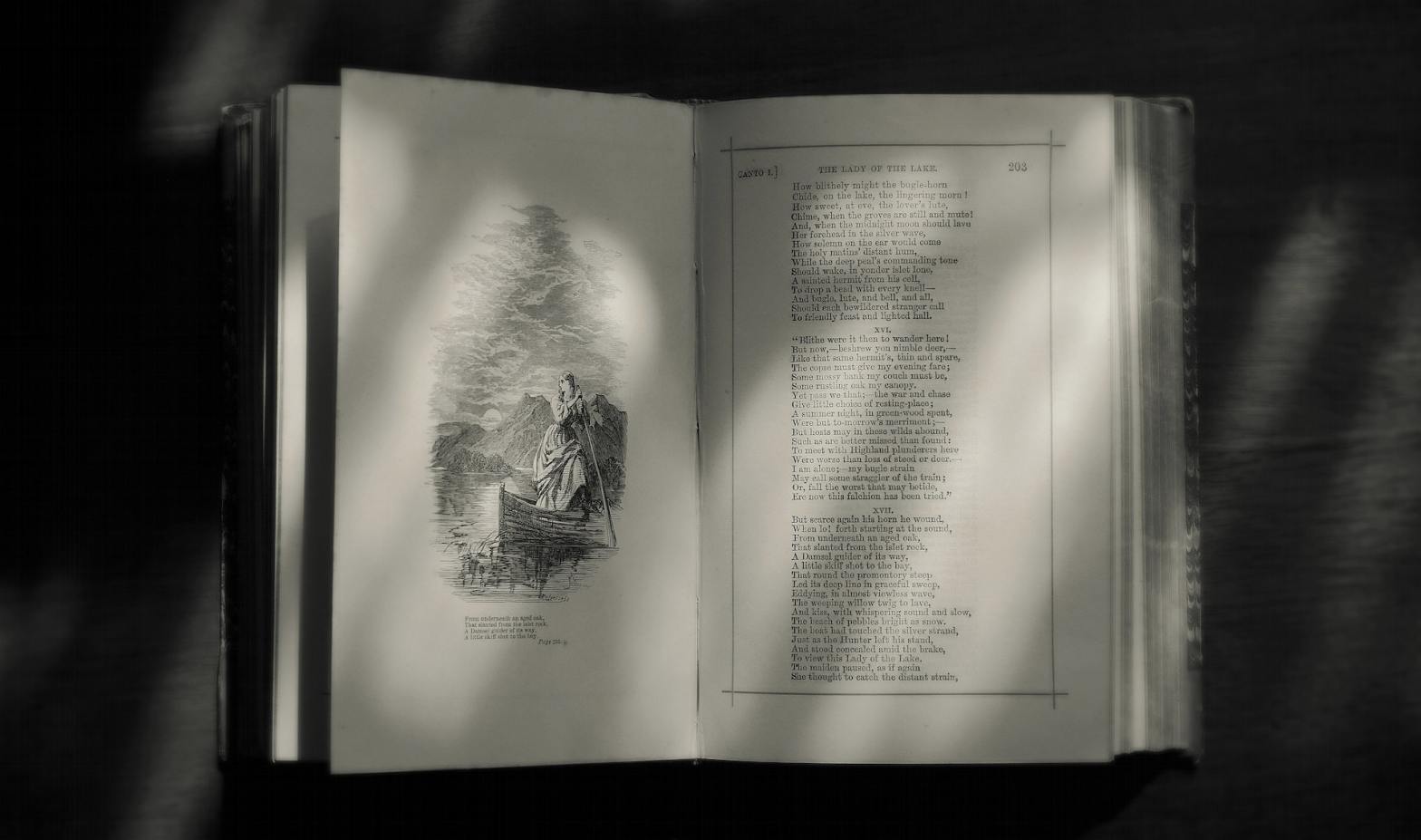
Photo by Suzy Hazelwood

Brian Clements, author of Anthology of Short Stories and Poems II, knows how valuable poetry is. He shows us how powerful and helpful they can be in the literary pieces of poetry and love story on Brian’s book. It’s time we stop putting poetry aside and allow it to inspire change in ourselves.

So how is poetry utilized? How are they used as markers of change? And how can they become a tool for people to look forward to the future?

How Poetry is Utilized in Different Cultures and Manners

Poetry is employed in a variety of ways across cultures. Lyric poetry communicates the intimate and emotional, whereas haikus contrast images of the commonplace. Poets themselves take on a variety of forms, too.

Take, for example, the Romantic poet using sublime messages to hide meaning in their poems. Or the soldier fighting in the frontline. You also have the spoken word performer, the bard, and the artist working in their studio, taking on the form of their art.

Why is Poetry Necessary?

The necessity for pupils to “find their voice” is a common theme in creative writing programs. According to teachers, the finest poems they’ve read are composed in the authors’ unique voices rather than in some pre-existing “poetic” register. This is so because poetry is about relevance for both the author and the reader.

Whether you read poetry frequently or not, it is still relevant today. However, you’ll likely turn to poetry at a certain point in your life. Poems are most commonly read by people when things are changing.

Birthdays, weddings, funerals, and other occasions can be joyful or sorrowful. Poetry can offer a straightforward way to communicate emotion during difficult or overwhelming times.

The Power of Poetry to Incite Change and Be a Marker of Change

Periods of change, frequently commemorated through public events, are also marked through poetry. Poetry reading and writing can become a transforming experience in these situations. For instance, on Remembrance Sunday, poetry is used to both remember those who have served in the military and to reflect on and process the painful realities of loss. 

In the literary pieces of poetry and love story on Brian’s book, the author has many poems sharing his experience of change. Tony Walsh’s “This is the Place” gave the community a unified, defiant, and uplifting voice following the tragic Manchester Arena bombing. And what made the poem more relatable was that Walsh himself was a Mancunian.

Poets including Sylvia Plath, Robert Lowell, and Anne Sexton are the early confessional poets that expressed personal experiences in poetry using straightforward and immediate language to the forefront. Although it was once shocking, their poems’ use of the private and individual as a starting point has become ingrained in contemporary poetry.

Now, this is not to say, however, that poetry can only express immediate experiences. Some poems serve as forums for exploring significant issues and looking for solutions, as proven by Langston Hughes’ poem, “I Look at the World.” Here’s a short excerpt of the piece:

I look then at the silly walls
Through dark eyes in a dark face—
And this is what I know:
That all these walls oppression builds
Will have to go!

Poetry as a Means to Look Forward to the Future

Poetry additionally investigates the possibility of future change, bearing the poet’s anxieties or hopes. Consider the poem “Interim” by Lola Ridge, which is especially timely. Ridge was a well-known activist who supported the lower classes.

In “Interim,” nothing has changed yet. We come across the period leading up to a shift, the preparation for change, and the stop to reflect, plan, and prepare for what comes next. She foresees a future action or event in it.

The concept of the sleeping world is potent. Before going somewhere else, the world awaits for its people to get their act together or be better.

Let Us Utilize the Power of Poetry

Poetry has never been more readily available than it is today. There is no doubting the power of poetry to incite change. Poetry’s continual relevance and impact always shine, whether you read it frequently or only when things change in your life.

Start inviting poetry to your life with literary pieces of poetry and love story on Brian’s book, which you can get by visiting his website. Click here to be directed to Brian Clement’s webpage and get a copy of his book!
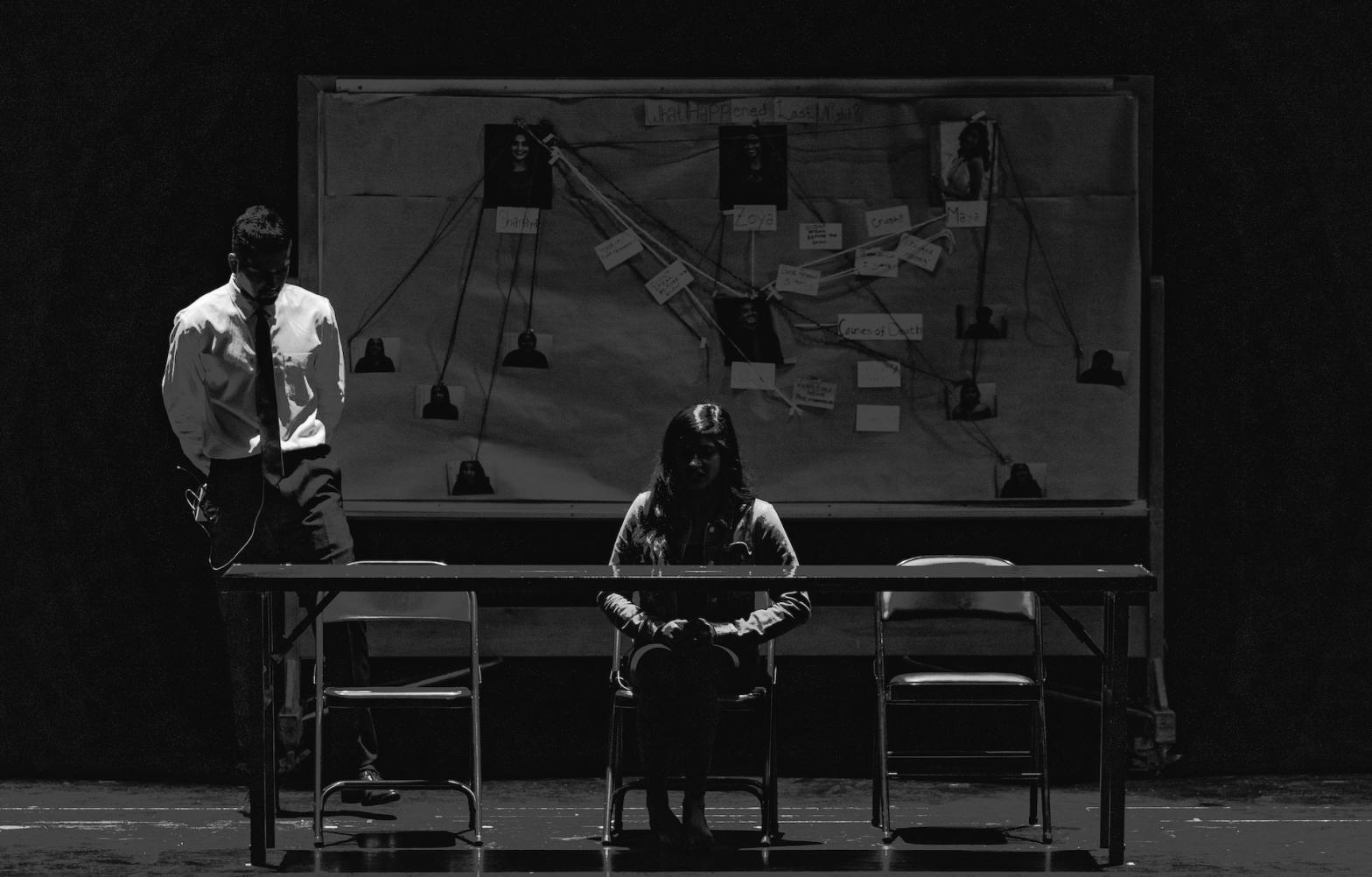
Six Crucial Reasons Indulging in Mystery Books is Good

Photo by Martin Lopez

As readers, all of you are wondering if there are crucial reasons indulging in mystery books is good, and the answer is yes, there are reasons that make mystery books a worthy read.

As a writer of mystery novels, author Donna Thompson would naturally think that it would be good for anyone to read mystery books occasionally. Lost Causes by Donna Thompson captures such a compelling tale, after all. But some of you might still think that, just like any other form of entertainment, there’s little to consider about mystery stories.

Fortunately, we have prepared six crucial reasons to tackle and discuss today.

Learning New Things on Every Page

Each character’s hobbies and occupations are typically pertinent to the plot within the crime fiction genre. A reader can purchase or grab a mystery book and discover new things regarding multiple subjects. Things like what life was like on the frontlines during World War II, bells ringing in morgues, and what happens behind the scenes whenever a catering event occurs.

Mystery-crime writers always perform their due diligence in researching since readers expect them to get the facts right. With mystery stories, readers have a wide array of books that they can choose from. They can rest assured that a report will tackle topics they’ll find interesting and would wish to understand better or learn more of.

Provides an Escape to a Different World

Some would say that “escaping” from the real world is an excellent way to pass the time. But how can you “escape” the real world if your topic is grounded in reality? When it pertains to crime fiction, it’s all about the reader’s personal choice.

It’s only natural for the kind of readers to vary, and what would vary along with them would be their taste. They’ll decide what amount of realistic details to everyday life they wish the book to have. Lost Causes by Donna Thompson has some pretty realistic details and a believable tale.

Escapism has always been one of the main reasons why we, as humans, like to entertain ourselves. And it’s one of the crucial reasons indulging in mystery books is good. Mystery novels have subgenres (e.g., PI novels, historical mysteries, medical or legal thrillers, etc.) in them as well, particularly crime fiction.

Mentally Challenging — in a Good Way

Among the many mystery genres, mystery/detective fiction allows readers to partake in the investigation. Readers can try and outsmart the protagonist as they both go through the process of solving the crime. This mystery-solving component of the genre is precious to a book’s success.

Readers love a good brain teaser and won’t avoid challenges like this. But it’s not just a good exercise for the brain; it’s also an excellent way to challenge readers to ponder ethical dilemmas.

Sophisticated and Well-Written Characters

Some of the most compelling, sophisticated, and well-written characters can be found in mystery novels. When Edgar Allan Poe wrote an eccentric yet brilliant investigator in the 1840s, it opened the door to a new archetype future authors would use.

Criminal masterminds, tough guy private eyes, sidekicks, and femme fatales are all unique archetypes in the mystery/detective fiction genre. These characters are well-written because the authors know they must capture the reader’s attention.

Tackling Social Issues

During the late 20th century, mystery writers started publicly tackling problems ranging from homophobia, bigotry, sexism, corporate crimes, and climate change. This is especially true for female authors and those of color who have risen to this new era of writing.

However, authors are still mindful of the delicate balance they must keep for their readers since they know most aren’t fans of “soap boxes.” They walk the thin line of spotlighting the issues they’re passionate about while not letting them overwhelm their tales.

Fascinating Settings

The setting is constantly one of the main reasons why people should read mystery books. The setting has been established best because it has continuously played a vital role in the story’s plot, from misty towns to an isolated cabin in the woods. Mystery readers may be able to travel the world as they sit down on a chair or lie on their beds.

Choosing the right mystery novel might seem daunting, but it’s easier than you think. You do an online search, and you’ll be given many results. Now that you know why indulging in mystery books is good, it’s time to get one and start reading.

Lost Causes by Donna Thompson is a great choice to read a mystery-crime novel you won’t regret reading. Get it by clicking here so that you can order your copy!

The Necessity and Delights of Reading Fables to Growing Children

Joyce Nealy is another brilliant addition to the writing tradition of fables and children’s literature, creating engaging stories with incredible moral lessons for young children.

The act of reading is a powerful vehicle for creativity and imagination, pulling readers into familiar or strange worlds that they can engage with cognitively and emotionally. Flipping through the pages of books and concentrating on the story, readers are transported to the world described in the text, become immersed in the reality presented, empathize with fictional characters’ motivations and desires, and experience other cultures. Aside from affecting readers’ psyche, reading improves linguistic capabilities through the introduction of new words and phrases, the presentation of emotional and social range, and the acquisition of information and new novel perspectives.

The benefits of reading, especially for young children, have been extensively researched and recorded, with a new study each year confirming its validity and importance. That significance places educators, parents, and guardians in a vaunted position to directly influence children’s future opportunities by inducing a love of reading and making it a crucial episode in a child’s daily schedule.

By improving their reading skills, children are allowed comprehension of the school curriculum, the method to communicate at a higher level, and the utility of language in expressing themselves and the world around them. These results are not even speaking of the sheer pleasure in reading that which tickles their fancy, offering them chances to use their imagination to their limits and inculcating their minds with an open-mindedness and introspectiveness that will help them in the long run.

So, What Exactly is a Fable?

A fable is both a literary genre and a type of story. It is either written in prose or verse. Animals, fantastical beasts, plants, inert entities, locations, or natural forces, almost usually anthropomorphized to provide a relatable perspective, are featured prominently. For works geared towards younger readers, there are illustrations provided. A particular moral lesson is woven into the story structure, which is concluded typically and explicitly in a single, encapsulating phrase. A writer who primarily engages with fables is called a fabulist.

A famous example of a fable is the Hare and the Tortoise story. It narrates a competition between the two on who could reach the end of a track first. The Hare, being quick and agile, easily outpaces the Tortoise, but in its arrogance, it takes a rest halfway through, thinking that the Tortoise is going to take far longer to reach the end. The story ends with the Tortoise winning since the Hare overslept and couldn’t catch up anymore. The moral lesson presented here is the folly of self-importance and the virtue of persistence.

What Differentiates a Fable from a Parable?

Similar to a fable, a parable is also a story that provides a moral lesson to its readers. However, whereas a fable might prominently feature non-human entities and characters as the focus of their stories, a parable mainly has human characters. Parables are also typically religious, with some famous examples of parables coming from the Bible, primarily the teachings of Jesus Christ to his disciples.

What Are Fables Used For, and Why Are They Important?

From when they were invented, fables have always been used to teach moral lessons. This quality is why they are such valuable and productive genres for children. Their fantastical elements, whimsical atmosphere, and highly eccentric characters have timeless appeal for children of all ages trying to learn the advantages of committing good things and the consequences of committing bad things.

Aside from morality, fables also allow readers to look at the human condition from a lighthearted and humorous perspective through their use of non-human characters. Although straightforward in style, fables make for really effective satire and criticism.

Where to Find Contemporary Fables for Modern Readers?

While fables are helpful tools for educating children on morality, most examples are pretty old. While perennial in their lessons, some children might find the archaic prose unreliable and unpleasant to read. Examples of modern fables would be the works of children’s author Joyce Nealy, who has a series of fables with cute animals as its central protagonists.

Fact: Food Tastes Better When Your Loved One Makes It For You

Photo by Polina Tankilevitch

When you think about the perfect cooks in your life, one of the first people who might pop into your mind is your Nonna. You spent days watching her in the kitchen, whipping up vintage snacks no one makes, and creating holiday feasts that could feed an army. But try as you might. You cannot replicate your grandma’s successes in the kitchen. 

There needs to be a better English translation for the Persian term dastpokht. It translates to “hand cooking”; however, its meaning is more akin to “style of cooking” or “mastery of cooking.” The term is, by definition, person-specific, and it intends that the food created by the individual’s hands is unique by extension of their being. 

Food memories feel nostalgic because there is all this context of when you were preparing or eating this food, so the food becomes almost symbolic of other meanings. A lot of our memories as children are not so much the apple pie, for example, but the whole experience of being a family and being nourished, and that acquires a lot of symbolism apart from the sensory quality.

This is to say that every time I eat my grandmother’s cooking, my tastebuds act as a sort of time machine for my subconscious, transporting me back to all those times she let me eat a jar of Nutella and go wild on the drum kit she bought me.

The Science Behind: A Link Between Food And Memory Lane

Interestingly, this link between food and memory stems from a not-so-positive foundation; it is part of a human survival tactic known as conditioned taste aversion. According to a 2018 study conducted on rats by Kathleen C. Chambers, a psychology professor, Conditioned taste aversion is a learned association between an illness and the taste of a specific food such that the food is contemplated to be the reason for the illness. That means the exact mechanism that incites nostalgia for my grandma’s cooking is the same one that tells my brain to remember when and why to avoid certain foods that could make me sick. 

But that is not all. Also, according to PopSugar, a 2014 study on mice found that taste is associated with memories of being in a location where something good or bad might have happened. This means that eating certain foods can set off specific triggers in the brain that instill a sense of calm or fear, depending on what we associate that food with. 

To that end, Hadley Bergstrom, an assistant professor of psychology at Vassar, shared that nostalgia instigated by a particular type of sauce or food is reinforced every time you eat said food or flavoring, which means that my grandmother has, for nearly 30 years, been slowly using her recipes to hypnotize my taste buds like a snake charmer. And while all of that should be enough to lead me to question whether or not my grandmother’s cooking is as good as I have always believed it to be, well, the power of those food memories is too strong to be wavered by objectivity. 


The Same Meal, As If Your Grandma Made It

Would you believe if I say this article has a solution for all of you who miss Grandma’s cooking? Or maybe you want to impress her with a meal as good as hers?


Here’s what you could do! Grab Eleanor Gaccetta’s Generation Of Good Food.

This book is a compilation of recipes that span six generations. The book is a collection of straightforward recipes and heartfelt stories of Italian life that brought families together around the table. This book will raise your interest whether you are a novice in the kitchen, a home cook, or a professionally trained cook. The cookbook is a compilation of nearly 200 recipes, including main dishes, bread, cakes, pies, cookies, and candy. Would you like to cook pasta dishes, bake sweet Easter bread, a Chiffon cake, lemon ricotta cookies, or make Tiger butter fudge? These and many more recipes are included. Just glancing through the table of contents will urge you to cook, bake and eat. Further, Ellie’s book was a labor of love that consumed her time during the pandemic lockdown. It incorporates recipes, stories, and anecdotes from six generations of her Italian family. It is a book for the kitchen novice and seasoned cook and baker.

A Life of Struggle: There Is Light at the End of the Tunnel

Blind Journey: A Journalist’s Memoirs by Jack Hawn reveals a life of struggle, searching out in the dark for truth while trying to keep sane in a wild world.

Following leads to verifying information. Chasing down important people and creating genuine connections with collaborators. Journalists carry a big burden, and that is not even taking into account the time and effort to take a story and everything in it and make it digestible to the general audience. The life of a journalist seems so exciting, but, like with everything; there are hidden conflicts and considerations most people never think about.

I was one of those people. I only thought that they simply needed to reach a word count and send whatever they’d written in. In the mental landscape of my mind, I had always imagined journalists to be seedy and deceptive folk who only knew how to wheedle the truth out because they came from an established institution and that whatever truth they got was only the omissions their sources gave them. In my mind, journalists were people who gathered in penthouse suites and cozied up to the rich and the powerful, only writing stories about how aggrieved the latter were and that they were as vulnerable to everything as the rest of us were. Of course, these assumptions, narrow as they were, led me to—without outright hating them—distrust journalists and journalism as a field. I would have drinks with them, sure, but I would never tell them anything—if my life did not depend on it.

But after reading Blind Journey, I was gobsmacked by the reality of it all. The truth, as they say, is seldom exposed gently. I am a bit ashamed that I even held my previous ideas—but we are all young once, and what is important is that we grow from the experience. 

Blind Journey: A Journalist’s Memoirs by Jack Hawn is an absolutely compelling memoir. Although he was never a major journalist, nor did he ever achieve a big name, Jack Hawn’s life, specifically his 43-year-long writing career, is beautifully described, and readers are taken along as he goes through the years, trying to follow the truth and discovering what life had in store for him. Blind Journey explores Jack Hawn struggling against the daily grind while, somehow, still keeping the optimism he had in his youth. 

And while his journalistic endeavors were not as exciting and as world-changing as his contemporaries’, Mr. Hawn always found a turn, a way to make things as exciting as they could be—and I believe this is an important lesson everyone should try to learn.

As a journalist, Jack Hawn covered mostly celebrities and other important figures in the entertainment industry. He covered the exploits of one Muhammad Ali (even during the days he still called himself Cassius Clay) and wrote stories about Sinatra, Sammy Davis Jr., and other prominent individuals at the time. 

How wonderful that must all sound, right? To have the opportunity to mingle with the classiest and most highly regarded of society. But it is not without cost, as I found out reading Blind Journey. Chasing celebrities and doing all you can to make a story work are difficult challenges. 

Although journalists have access to very important people and also have the legitimacy to question them, that privilege is only for the most decorated and trusted journalists. Pencil-pushers and desk jockeys don’t usually get the chance to interview the King of Pop, or the Rock, or the CEO of Disney, let alone get the chance to interview the King of Morocco or the Queen of England. 

Instead, what most journalists get is a ton of work trying to confirm whether a lead is true or not or whether the source they just contacted knew what they were talking about. Most of all, it’s the time away from family and friends that makes it all so disheartening. 

Yet, it is not without a good end. And if you want to know what that is, you have to read Blind Journey: A Journalist’s Memoirs by Jack Hawn. It’s available everywhere you get your online books.

The Language Of Architecture

Photo by Ena Marinkovic

The universal language of architecture creates every piece of architecture.

A language is created by compiling a series of elements and principles of architecture. These combinations are evident throughout architecture and vary between cultures, times, and places. The fundamental design elements and principles are repeated, over and over, in different combinations to create different experiences.

These architectural design elements and principles have been identified by people looking at architecture and buildings and trying to make sense of them and bring some meaning, order, and logic to the pieces and aspects of what makes architecture.

The considered use of these elements and principles allows an architect to organize and consciously control the design decisions and outcomes and the experience of sensations, thoughts, and emotions in the inhabitants.

The absence and unconscious use of these elements and principles allow an architect to unconsciously create something uncontrolled with little consideration of the experience of sensations, thoughts, and emotions their work will evoke in humans.

So how do we design for experience?

The Three Basic Human And World Relationship And Its Distinct Oriented Spaces

The fundamental relationships between humans and their world open up three distinctively orientated spaces: being-part, being-initiating, and being-at-a-distance. These correlate to mood, movement, and open space, respectively. Then, the language of architectural forms appeals to the tactile-emotional, mobile-goal-oriented, and visual-contemplative sensitivities of humans instead of translating narratives into architecture. The only story at the architects’ disposal is the story of their taste and style. Architecture can do without the personal account of the architect’s taste and style. Still, this story has the added value of making explicit what is already visible, thus functioning like the decoration that illustrates the point. The larger frameworks of reference of cultural traditions that left their mark on architecture are equally or more helpful in cueing and experiencing architectural spaces as meaningful as what some of our experienced architects can exemplify.

Architecture And its Effect On Physical Well-being And Mood

Building lighting, materials, ventilation, and the use of space can all affect the physical well-being and mood of building occupants. Design can influence the productivity level of individuals working in an office. It can enhance air quality at home and encourage movement while lowering the risk of injuries.

Individuals who work in design are not necessarily charged with occupants’ health but are responsible for the innovation that supports health, safety, and welfare (HSW). 

According to research, five “evidence-based approaches” or fundamentals support HSW. These are:

1. Environmental quality: Minimizing New and Reversing Existing Pollutants. Now, healthy design acknowledges the need for fresh air through ventilation that works with more valuable building materials. That is, designing for the distinct characteristics of the building location to lower the risk of exposure to environmental hazards.

2. Natural systems: Encouraging Health and Recuperation. Design that provides occupants a “sense of control over personal space” also contributes to health. Shared buildings such as offices and homes that encourage personal control, including climate control by outdoor and room access, improve productivity and reduce stress.

3. Physical activity: Promoting Exercise for Better Cardio Health. A space designed uniquely for physical activity, such as an office or home gym, is only one way to encourage movement. Architect Magazine conveys that the “deep integration of physical concepts” can inspire a more organic “anatomical engagement.”

4. Safety: Minimizing the Risks of Accidents, Injuries, and Crime. When a home is built with every level and age of physical ability in mind, it feels more comfortable for everyone, not just someone with limitations. More expansive bedrooms and baths on the main floor, hallways, door levers instead of knobs, and adjustable-height kitchen workstations are only a few ways to accomplish incredible accessibility through universal design.

5. Sensory environments: Enhancing Well-Being Through the Five Senses. The senses are why people choose a specific paint, fabric for upholstery, and art for the walls and one window design over another. They are firmly rooted in their preference for Mid-Mod, transitional or traditional homes. The senses are how decor trends evolve. How a space is designed affects mood because it appeals to (or offends) the feelings.

For inspiration, check out the Untold Architectural Book by Ronald Lee Harden. The book is about the Untold Architectural Black History of Tampa, Florida, Ronald’s 36-Year Architectural Career in Tampa. The Tampa Bay Performing Arts Center, Gaither and Bloomingdale High Schools, the Harbour Island project, Mobley Park, and Osbourne Landing Apartments; are just a few of the projects architectural project manager Ronald L. Harden has been a part of that have helped the Tampa community expand economically and culturally in 36 years. These projects have helped create homes, jobs, and cultural events for the city’s African-American and other mixed communities and have helped them create better lives for themselves.

There Is No Other Best Way To Treat War Veterans Than These 6 Simple Ways

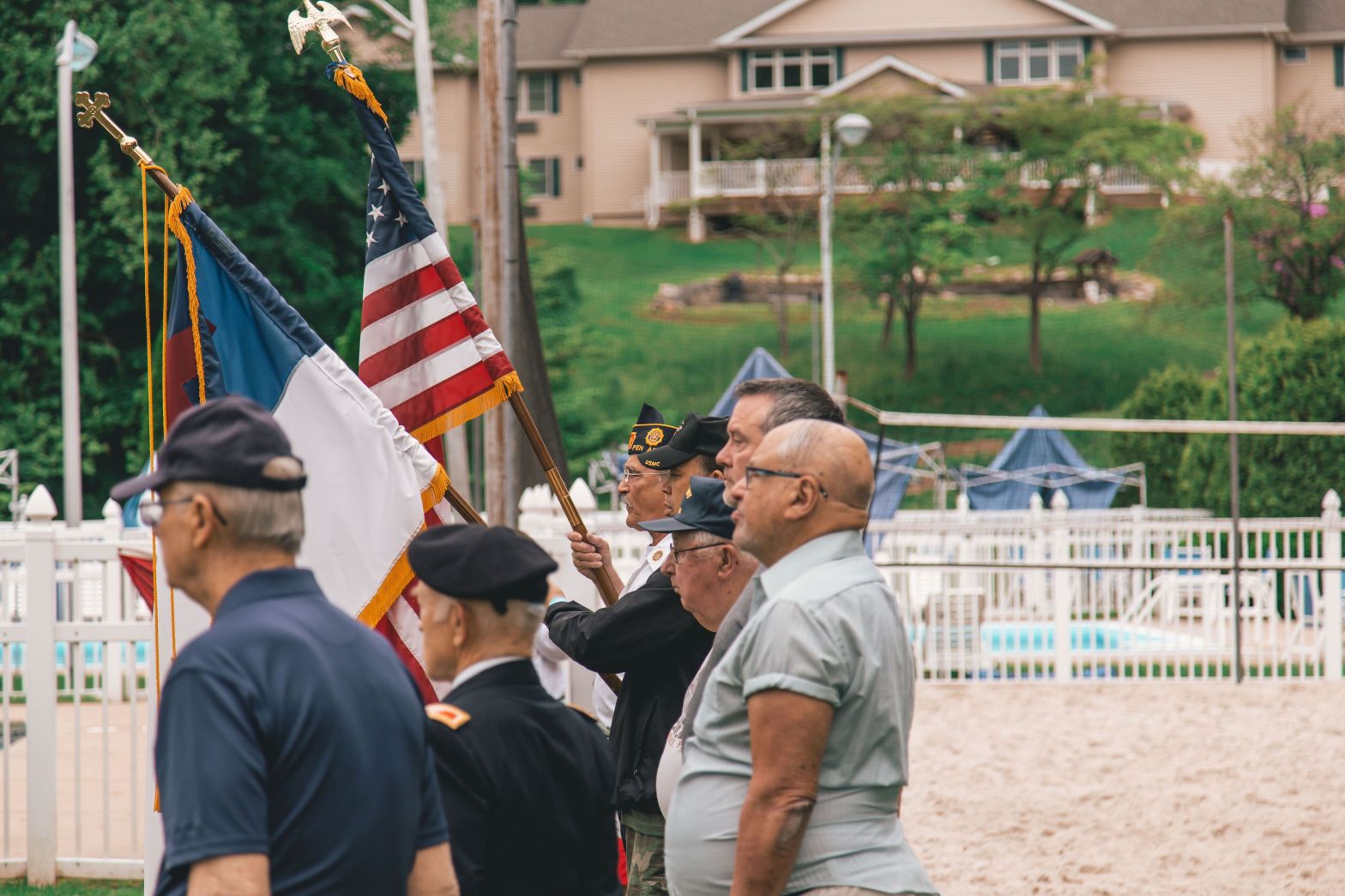
Photo by Craig Adderley

The biggest reason we should honor our veterans is that they risked their lives to protect ours. In the scariest situations, thousands bravely fought for our freedom, which is why we should honor them.

Veterans served in the military by getting drafted or by their own decision, whether they have seen battle previously or not. Veterans have shielded our country from serving in the military by serving themselves. Veterans are no longer in the army and never again need to secure us. They can make the most of their day-by-day lives in retirement or whatever other advantages accompany serving our nation. We owe our veterans and their families essential things for putting themselves in danger to certain our rights and opportunities. Regardless of how little or huge every Veteran’s job was, they have buried a mark on the world by affecting the war they served. Veterans have been an image of well-being, opportunity, and grit in America’s history. 

There are many important reasons why we should honor our veterans. One of the biggest reasons we should keep our veterans is because they risked their lives to protect ours. In some scariest, if not the most terrifying, situations, thousands of soldiers bravely fought for our freedom. Even though they knew the risks, they decided to join the military. To this day, many veterans still face the side effects of war.

Sometimes it may not seem easy to show appreciation for those who are often too proud to acknowledge their sacrifices. However, there are several meaningful ways to honor these warriors.

1. Volunteer for a cause. Around the country, many organizations support veterans. Volunteering for these organizations demonstrates your support of our veterans. Your ability to organize, fundraise, or provide necessary skills honors those veterans in small and big ways. Some of these organizations are run by veterans, too.

2. Hire a Veteran. Our veterans are some of the best-trained and educated people you know. Hiring a veteran allows them to thrive in the civilian world and continue to support their family. A veteran may have skills in technology, security, sales, healthcare, finance, and many more areas.

3. Offer a Discount. Businesses around the country offer discounts on everything from a cup of coffee to services. Honoring veterans with a deal may not seem like much, but sometimes a little bit goes a long way.

4. Visit Veterans in hospitals. Find the policies at your nearest hospital for volunteering or interacting with patients, and spend the day with a veteran. Even if you have never had veteran interaction, helping at a facility is a way to give back and say “thank you, veterans.”

5. Donate. Veteran organizations support our heroes in many ways. They support our veterans by providing shelter in times of need, offering services for wounded and disabled veterans, training service animals, and much more. Your donations keep these organizations going.

6. Offer a Discount. Businesses around the country offer discounts on everything from a cup of coffee to services. Honoring veterans with a deal may seem like little, but sometimes a little bit goes a long way.

A war veteran himself and a book author, Gordon L. Bocher. He served 11 1/2 years in the Air Force. He flew over 170 combat sorties as a Fire Control Officer (FCO) aboard the AC-130A Gunship. As a rescue navigator, Mr. Bocher participated in the abortive attempt to rescue the 53 hostages in Iran. Throughout his service, Mr. Bocher was awarded two Distinguished Flying Cross medals, eight Air Medals, The Purple Heart, The Conspicuous Service Award from Gov. Mario Cuomo (NY), and two nominations for The Silver Star.

The author’s personal story was chronicled in two front-page stories in Newsday, People Magazine, The Colorado Star, and Veterans of Foreign Wars Magazine. It was featured in “The Book of Man” by William Bennett. His book, “STORMRIDER,” is a historical novel based on true events.

More than one day every year is required to honor veterans. Veterans had the right to be appreciated each day of their lives. Some need all the care and small advantages, yet every Veteran deserves our high regard. Without veterans and the time they have set out battling for us, we would not be where we are now. With people like them making it one of their primary fundamental needs to deal with us, we have the rights and opportunities we have today.

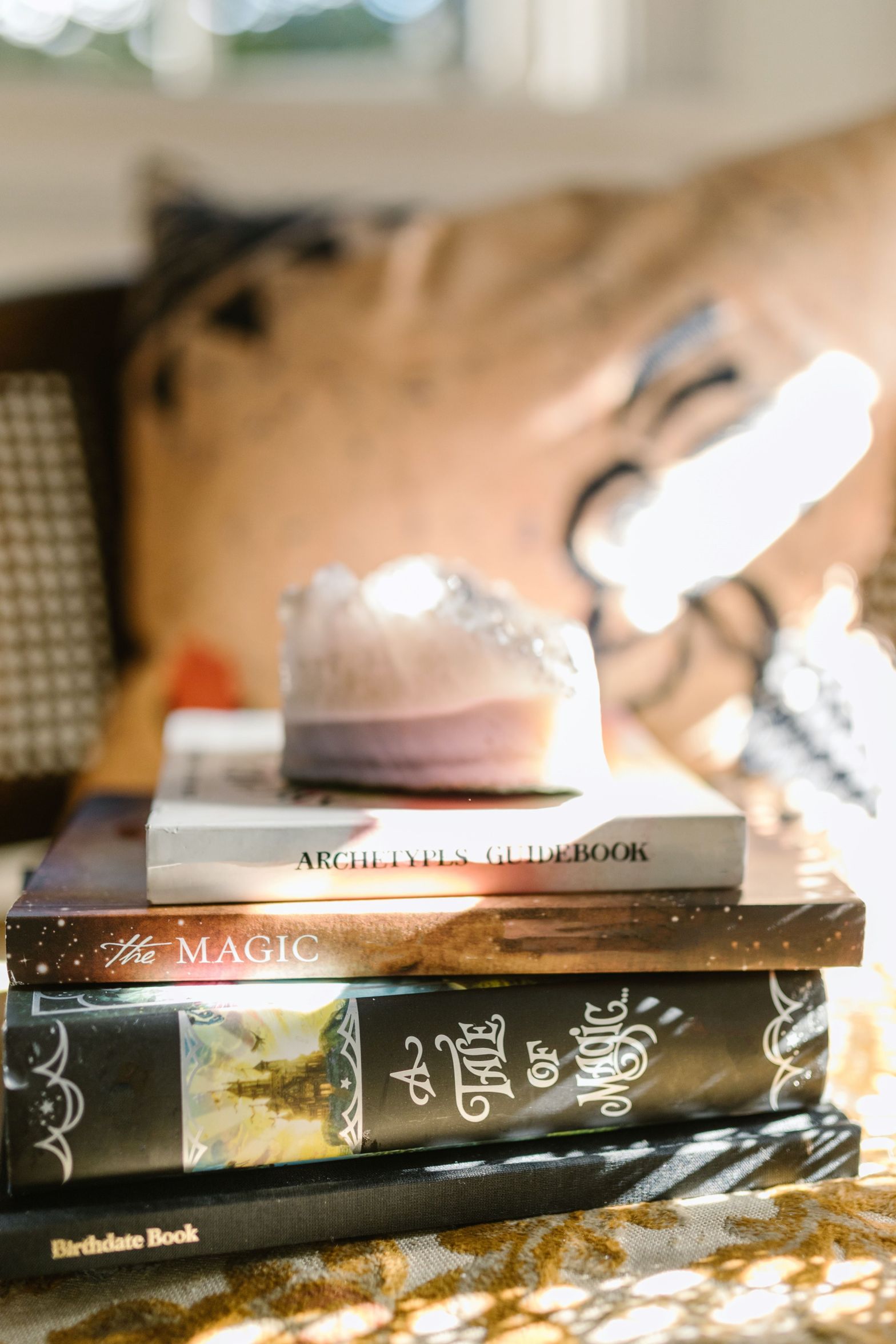
5 Writing Tips To A Marvelous Magical Book Stories 

Photo by RODNAE Productions

Readers expect specific things from the books they consume. It is more than magic and villains.

What makes a fantasy story? Our first thought might be to answer ‘magic’ – potions, spells, mythical beasts. Yet fantasy contains multiple vital elements. This is genuinely a complicated genre to write in. While there aren’t hard-and-fast rules to follow, certain factors must be included to classify a story as ‘fantasy.’ Fantasy readers expect specific things from the books they consume. And no, we are not talking about familiar tropes like elves, dwarves, trolls, and dragons! We are referring to broader elements – general concepts within which you can be imaginative and inventive.

Let us take a look at the essential elements every fantasy novel needs.

1. A system of magic. A story must contain some magical system to be even considered a fantasy. A magic system refers to things that exist or occur in your story that do not or cannot live in the real world. Elements of sorcery, witchcraft, enchantment; fantastical creatures and the supernatural; advanced abilities or powers; anything with no basis in real-world logic or evidence can be considered ‘magic.’

This is where you can set your story apart from others in the genre. If your magic system is unique and imaginative or something readers haven’t seen before, your novel has a point of difference.

2. A sense of “Adventure.” Adventure in fantasy is typical, from bands of traveling and questing heroes to girls who fall down magical rabbit holes and many more.

Adventure in fantasy usually features another meaning of magic: “A quality of being delightful and beautiful in a way that is somehow remote from daily life.” Fantasy usually takes us to places that seem remote from daily life, full of discoveries, new joys, or dangers.

3. A well-developed setting. This is another vital element within fantasy and magic. When writing in this genre, your story takes place in a whole new world. To really immerse readers in your world, you must develop your setting thoughtfully and thoroughly. 

4. A cast of complex characters. As with any given novel, the characters in fantasy fiction often get readers invested in the story. Your plot, setting, and magic system may intrigue and engage readers, but no matter if your readers do not care about the outcomes and their characters. 

How many characters your story has is entirely up to you. Still, if you are writing a series like most fantasy writers, it is better to have a cast of several main characters and your auxiliary characters. This provides diversity and interest within the story, helping to sustain readers’ engagement over many books.

However, to encourage reader empathy and sharpen focus, you might consider having one ‘standout’ main character with whom your readers will experience most of the story. Alternatively, if your account is extra complicated and your cast of characters is especially large, you may want to have more than one of these main characters.

5. A central conflict. The vital key to every good story is conflict. This is true in fantasy fiction, where your characters often have higher stakes. Different conflicts are all critical, and it is essential to have an overarching central conflict within your fantasy series or novel. 

And focus on exploring conflict organically. Consider the consequences of the characters’ actions and follow them on their natural course. All disputes must have a reasonable cause.

The magical and mystical book series of Brian Jay Nelson captures the essentials of writing good mystical and magical books. Branchviews book series-“The Unexpected Journey, The Epic Showdown, The Portal of Time and Stories From The Hidden World” narrates when paranormal writer Steven Spencer is supernaturally beckoned through his computer to visit a sprawling Connecticut estate, an investigative assignment turns into a life-changing experience. During the inquiry, mysterious spirits of the underworld are exposed. Before Steven can tell Loraine his life partner, she is summoned to the Branchview Estate.

There are many more elements of fantasy or magic, yet the above provides a basic overview of standard features. Think about power, adventure, settings, and conflict. Give place its intriguing character. And remember to allocate your reader reasons to wish, wonder, and marvel.

What Makes Short Stories Different from Novels On Paper?

Photo by rawpixel.com

Writing a short story is undoubtedly different from writing a novel, but what makes it unique?

A collection of short stories on Clements’ book could help define what makes short stories so different. Clements (full name Brian Clements) and his books are often anthologies of short stories and poems he had written. His short stories often focus on detective tales and mysterious circumstances with murder on the side. 

Today, we’ll be talking about Brian Clements’ book titled 

Anthology Of Short Stories And Poems II as a basis as we discover what makes short stories different from novels and other.

Brief Explanation of What a Short Story Is

Writing has a different style from writing a novel. Although both types of storytelling share a few classes, making a short story needs an entirely different application and approach. It’s a short story’s job to stimulate the artistry of telling stories that deliver an entire experience to the readers gracing through their pages.

Does Writing Short Stories Benefit a Person’s Overall Writing?

People looking to promote their writing skills while expanding their experience can benefit significantly from writing short stories. Many literary magazines routinely publish short stories from different kinds of writers. In some instances, some magazines even pay authors as thanks for letting them publish their work.

Now, competitions that focus on short story writing competitions and they will charge participants for free, such as the literary magazines that offer monetary prizes and exposure; others don’t have this kind of deal. In some instances, academic competitions will give participants feedback regarding their submitted entries.

Remember that if one writes short stories enough times, they can put their short stories into some anthology, similar to a collection of short stories on Clements’ book. Another option is to collaborate with other authors who also tell stories in the same genre as your short stories exist in. Both authors can then proceed to create a vast collection of short stories.

Numerous Differences Between Novel and Short Story Writing

• Let’s start looking at the most obvious disparity between a novel and short story writing, which is the word count of the tale. Short stories are around 20,000 words and anything beyond the 20,000 words mark becomes a novella. There is also something called “Flash Fiction,” short stories with less than 1,000 words.

• Typically, short stories focus on a singular crisis or event, compared to novels with way more time and word counts to explore multiple phenomena and have an intricate plot. Another thing to note is that a single event typically happens within a short time frame like it might take place in a single day, but some short stories are often fast-tracked to convey that the tale has been happening for quite some time.

• Similar to single events, short stories usually have fewer scenes than novels. Short stories frequently occur in a single place rather than spread to multiple areas. That’s one of the beauties of short stories because it can happen in one location, but that doesn’t mean the author can’t play around with it.

• When it comes to structuring, successful short stories follow Freytag’s Pyramid structure, with a start, middle and end, or exposition, critical point, climax, falling action and denouement. Rarely, short stories will have the time to try and tell a more elaborate story.

• There are fewer characters available in the pages of a short story. Short stories tend to introduce only one antagonist and protagonist compared to novels, where numerous characters are introduced. Due to its brevity, little time exists for readers to be connected and acquainted with a large cast of members.

• It’s possible to finish short stories in one sitting, giving the readers a complete experience. Whenever the reader is done with a short story, the beginning and the middle of the tale stay in the reader’s mind.

• Compared to a novel that carries its message across multiple acts, events, characters, reading sessions, and crises, short stories have a more condensed meaning to tell. The author’s job is to infuse sense into the story with fewer words.

Now that you know what makes a short story different, it’s time to get a collection of short stories on Clements’ book and read them. We guarantee that Brian Clement’s short stories and poems will have you hooked!

Finding Care in the Post-Pandemic Era

Photo by Kampus Production

The COVID-19 pandemic did more than bring in a disease that changed health and safety as we know it; the disease altered to its very core the way of living and the lifestyle that we used to call normal. COVID-19 gave birth to the “new normal,” a new lifestyle, a new way of health and safety practices, and coping between life and work. The coronavirus effect is incredible, and it gave way to changes and increases in people’s needs and demands, be it in work or personal life. And one of those surges in demands is in-home care or caregiving services. Caregiving in the new normal regaining work-life balance is a bit of a challenge since caregiving takes on almost a full-time, 24 hours role, especially if the care recipient requires round-the-clock assistance or is in isolation. 

All the more, the challenge becomes significant when the one giving the care is a family member or someone who is closely related or has a personal relationship with the patient. Where and when does the caregiver’s work end, and when does the personal life begin? Author Eleanor Gaccetta in her book One Caregiver’s Journey, depicted her journey being a full-time caregiver to her mother for almost ten years. The book provides a close introspection of caregivers’ realities and struggles over time and gives caregivers timely advice to take in their work. 

Home Health & In-Home Care

Looking for someone to entrust the care of someone you know or someone you love can be difficult. It’s not just a matter of picking someone out among the available caregivers to take on the demanding role. Aside from having the right skills and qualifications needed for the job, there should also be that right amount of relationship chemistry between the caregiver and the care recipient. And that’s why the best person for the caregiver job is usually a family member.

Knowing the right kind of services a care recipient needs is the first step. Knowing the appropriate skills and qualifications from a caregiver is the next step. There are currently two types of care available: in-home care and home health care. In-home care services refer to the care provided that assists the patient in achieving a high quality of living despite physical or mental disabilities. This includes assisting with daily routines such as bathing, grooming, feeding; basic housekeeping; medication monitoring; or companionship. Some available in-home care agencies include FCP Live-In, Klarus Home Care, and ComForCare.

Home health care is the different types of medical services provided to treat an illness or a chronic health condition or help recover from an ailment, surgery, or injury. This includes but is not limited to nursing, therapy and rehabilitative services, wound care and treatment, or caregiver education. Examples of home health care agencies are Nationwide Healthcare Services, Inc., Bayad, Interim Healthcare, and Family Care Alliance. 

Programs for the Elderly

The elderly group is perhaps the most vulnerable sector hit hard during the pandemic. They are very susceptible to the coronavirus, but those with comorbidities have to be careful because the virus hits hard for those with existing chronic illness or disease. Much care and support need to be dedicated to the elderly, even in the post-pandemic era. 

There are some programs dedicated to supporting caregivers in their aim of helping seniors live a good, quality life. The Meals on Wheels Association of America (MOWAA) is the oldest and largest organization in the United States to prevent hunger and provide better nutrition through meal services to seniors. 

Second Wind Dreams is another program for people living in long-term care in nursing homes, assisted living communities, and hospice facilities. This charity program grant dreams of the elderly, with existing donors backing as sponsors of those dreams.  

Another program is the Alzheimer’s Foundation of America. It is a nonprofit organization that aims to provide services, support, and educational resources to individuals, their families, and caregivers who are affected or caring for a patient with dementia or Alzheimer’s disease. 

Post-pandemic, people learned the realities of living alone, being isolated, or caring full-time for an ill, disabled, or injured family member. Looking for someone to fill in the role of a caregiver looked to be nearly an insurmountable problem after the demand for caregivers doubled over the past two years of the pandemic. Although the best person for the job to provide care is a family member, still, it’s good to know that there are services out there that can help provide respite from the laborious role of a caregiver. It’s good to know that there are resources that can assist in looking for qualified caregivers, and good to know that there are programs dedicated to help and support in providing quality of life for care recipients. 

Design a site like this with WordPress.com
Get started