Remembering Our Beloved Pets: Beautiful Pet Memorial Ideas

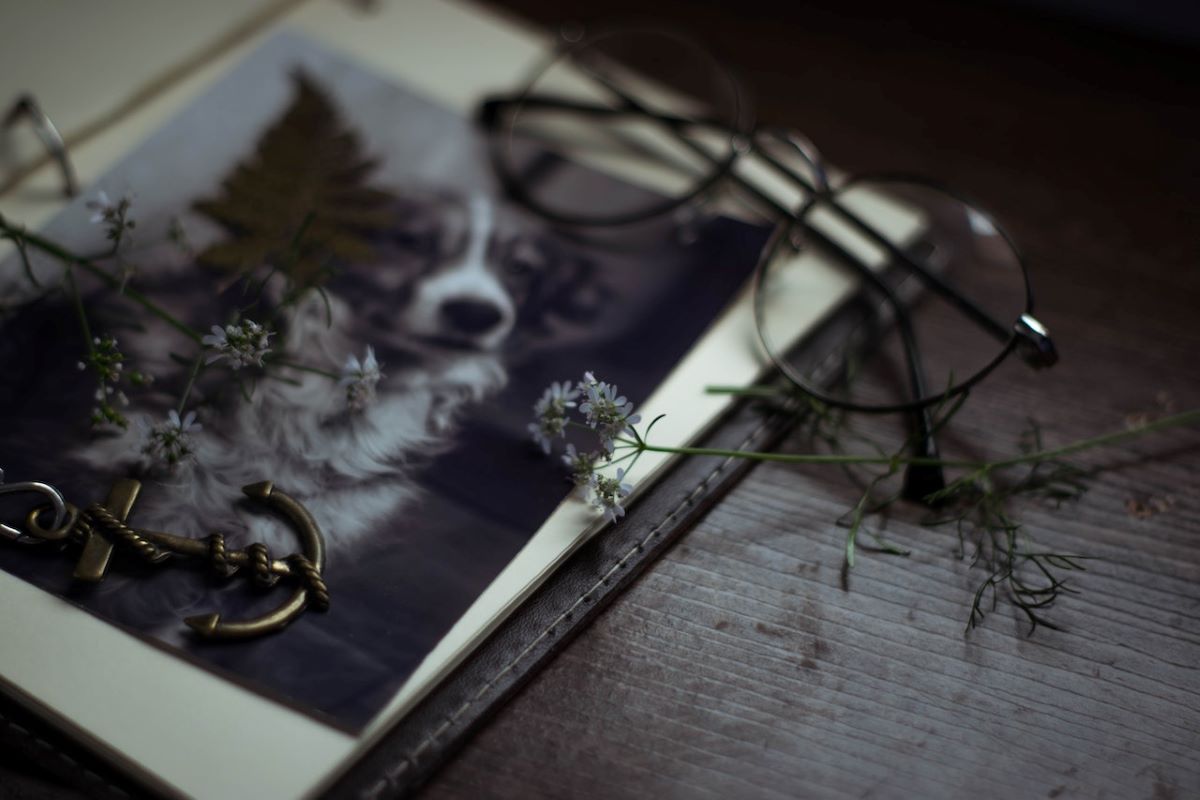
Photo by Wallace Chuck

Remembering our beloved pets is an essential ritual for any pet owner since losing them is the equivalent of losing a family member or loved one.

Yvonne Bronstorph, author of the children’s book “Dogs With Attitude,” knows how heartwrenching it can be to lose a beloved pet. So, she wrote this children’s book to help keep the memory of pets alive in every owner’s heart. The value pets bring to our lives is so immense that remembering them is the least we can do.

With that said, let’s check out some pet memorial ideas that’ll help pet owners remember their dearly departed pets.

Utilize Frames and Plaques to Keep Their Image Alive

Pet memorial frames are specially made to exhibit an image of your furry loved one with a sentimental message or memento. The memento can be your pet’s collar or perhaps their paw print.

Plaques can display a classic picture featuring your pet’s name and a message of your choice. You can even transform a cherished photograph into a 3D image and put it on a stand.

Treat Your Pet’s Ashes and Memorialize Them

More services have recently been developed that enable pet owners to use the cremated remains of their pets to produce jewelry or even works of art. Some companies capture tiny crystals generated by the chemistry in pet ashes in high-resolution digital photographs.

The resultant abstract designs, geometric patterns, and frequently vibrant hues produce one-of-a-kind artwork that pet owners will find beautiful.

Hold a Memorial Service for Your Beloved Pets

Just like what you’d do for a family member, a pet memorial is an opportunity to honor a pet’s life. Even if your pet is not resting in a pet cemetery, you can still organize a memorial service at their favorite park or house.

Serving food your cat or dog loves is among other thoughtful touches. Foods like popcorn, bacon, or tuna, and you can even give out pictures of your pet. Additionally, you might request contributions (in the form of donations) in memory of your canine companion to an animal sanctuary.

Remembering our beloved pets is important for us as pet owners. Yvonne Bronstorph’s children’s book “Dogs With Attitude” also helps keep the memory of pets alive in our hearts and minds. Buying the book can help improve the pet memorial ideas you will use.

Plant a Tree In the Name of Your Pets

You can try planting flowers, trees, and a bush to honor your deceased cat or dog. You’ll feel your furry friend’s presence when you water it, breathe in its aroma, or rest in its shade. Even a kit that utilizes your beloved pet’s ashes to start a tree from seed is available.

Try Using Memory Boxes

With the help of a lovely pet memory box, you can store all your most treasured memories in one location. There is space for a favorite toy, pictures, leash, collar, and other cherished possessions that serve as remembrances of your deceased dog or cat.

Turn Your Beloved Pets Into Art

Order a painting or drawing of your dog to place in your home for a priceless remembrance. Or, to honor the beautiful relationship you and your beloved pet shared, make a framed print with one of these reassuring phrases.

Opt to Get a Pet Memorial Jewelry

You can pick from various pet memorial jewelry to always carry your pet’s memories with you. With cremation jewelry, you can incorporate your pet’s ashes into personalized rings, bracelets, and necklaces. It’s possible to put your pet’s picture, paw print, or name.

Don’t Be Shy and Get Ornaments for Your Pet

A customized pet memorial ornament may serve as a heartfelt memento, whether you hang it during the holidays or keep it elsewhere in your home all year long.

Stones and Wind Chimes Will Also Do

An outdoor pet memorial would be appropriate if your pet loved to spend time on the patio or in the backyard. You can decorate your landscape with blown-glass stones imprinted with your pet’s ashes, engraved resin stones, or both.

Additionally, personalized wind chimes are lovely since they remind you of your friend each time the wind blows through them.

Let’s Keep the Ritual of Remembering our Beloved Pets

Now that you have a couple of pet memorial ideas, it’s time to keep the remembrance of our pets alive. The memory of pets is something that we should cherish. Doing so makes us feel they’re still with us — sharing their love and warmth infinitely.

Get a copy of Yvonne Bronstorph’s children’s book “Dogs With Attitude” today, and read some of our other blog posts like “Animal Consciousness: The Way Our Furry Friends Perceive Us.”


Types of Love Language: Discover What Love Languages Are

Photo by Trung Nguyen

Knowing the types of love language that every person has helps us connect with our partners and friends in the best way.

“The Color of Love” by Raymond Quattlebaum is a great poetry book about love in all its forms. The book has a striking front cover. It’s breathtaking how the stars and moon are depicted. Even looking at the book’s cover would make you want to read it.

Having a love language is essential because it can help you and those you love to understand each other more fully and effectively. With that said, what kinds of love languages are there? And how do you correctly identify someone’s love language?

Defining What a Love Language Is

“Love language,” often known as the “language of love,” refers to how people express and receive love in friendships, families, and romantic relationships. Gary Chapman first used this term when he wrote The Five Love Languages: How to Express Heartfelt Commitment to Your Mate.

Everyone may have various tastes regarding the love languages people employ and accept. Relationships can be strengthened, and both parties can understand wants when we know each other’s love languages.

The 5 Kinds of Love Language

Every human being has one of five different love languages, often known as the language of love. The five different love languages are listed below.

1. Acts of Service

One way to express love is by acts of service, in which one expresses love through the deeds, assistance, and support of others.

For instance, accepting help or making an effort to assist with household tasks, child care, work assistance, or offering help before being requested. Here are some examples of the love language known as Acts of Service:

  • Drive someone home
  • Remind your family member, friend, or partner that they almost forgot something
  • Initiate and offer to help with a person’s homework
  • Playing a song that your partner loves as you travel via car
  • Give your coworkers aid at your workplace
  • Be there and care for a sick partner
  • Offer spontaneous assistance
  • Cooking your friend’s, family member’s, or partner’s favorite food

2. Physical Touch

A physical Touch is a form of expression of love experienced through physical contact. The affection displayed here is a genuine expression of someone’s love and sincerity, not something unpleasant. Here are a couple of examples of what the love language we call Physical Touch is:

  • Hug
  • Holding hands
  • Head rub
  • Being near loved ones
  • Kissing

3. Words of Affirmation

One of the most common types of love language is what is known as Words of Affirmation. Enjoy receiving praise and other encouraging words? Verbal affirmation may be your preferred form of love language.

When someone uses encouraging words like encouragement, inspiration, and praise, those who identify as Words of Affirmation lovers may feel particularly valued and cherished.

Here are some examples of the love language called Words of Affirmation:

  • Saying inspiring and motivational words
  • Leaving Thank-you notes
  • Expressing sweet comments or compliments

“The Color of Love” by Raymond Quattlebaum has many sweet, honest, and inspiring lines.

4. Quality Time

One of the most important love languages is quality time. When attention is offered in the form of companionship, such as participating in activities together or simply sitting next to one another, a person who uses this love language feels appreciated.

Check out some examples of the Quality Time love language here:

  • Taking vacations together
  • Having deep conversations and sincere talks
  • Watching a fun movie together
  • Enjoying activities with each other

5. Receiving Gifts

Receiving Gifts is a love language whereby providing gifts makes a person feel appreciated. This gift need not be costly, but it should have some unique significance or be a nice surprise.

We prepared some examples of the Receiving Gifts here for you:

  • Providing greeting cards
  • Giving out “surprise” gifts to your loved ones
  • Making personalized gifts for your friends, partners, or family members

Learn the Types of Love Language and Discover Yours

Everybody expresses their love uniquely. The love languages might be an excellent place to start on your journey to understand one another better, but you shouldn’t accept them as gospel.

If you wish to know more about love, grab a copy of “The Color of Love” by Raymond Quattlebaum today! We also encourage you to read some of our other blog posts and discover four books that feature different kinds of love.

Inspirational Autobiographies and Their Success Stories

Photo by Ketut Subiyanto

The world is full of inspirational autobiographies, and each contains a unique success story, but which ones should everyone actually read?

Joseph Waddy, author of Bertha’s Son, has written a fantastic autobiography of challenges and successes that many people can relate to. Although the book can be quite graphic with its details at times, it is warranted because what the author went through wasn’t easy. But he weathered through and is now thriving in his own right.

Here is a list of autobiographies you will undoubtedly find captivating. There’s stuff here for you if you’re searching for something that’ll spark that motivation burning low inside you.

Bryan Cranston’s A Life in Parts

Bryan Cranston had several parts before becoming Heisenberg, including those of a husband, murder suspect, dock loader, paperboy, lover, dating expert, farmhand, parent, and security guard throughout his illustrious acting career. In his autobiography, he tells the story of his upbringing, acting career, and how he got the part of Walter White, which would permanently impact his life.

Stephen King’s On Writing: A Memoir of the Craft

One of the most talented and prolific authors in American history, Stephen King produces so many high-caliber works that it can be difficult to comprehend how he manages to accomplish it. A must-read for any aspiring author, he describes the routines and beliefs that assisted him in producing the dreadful works he has created for the world.

Nelson Mandela’s Long Walk to Freedom

This is the book that served as the basis for the recent biopic on the inspirational figure. Nelson Mandela was one of the most significant moral and political figures in history. In Long Walk to Freedom, Mandela describes his life’s challenges and transition from imprisonment to success.

Anthony Bourdain’s Kitchen Confidential: Adventures in the Culinary Underbelly

Anthony Bourdain currently leads a rather idealistic life, touring the globe to experience flavors and customs in a way that very few people would ever have the opportunity to. However, he worked as a chef before he became a jet setter. Readers are given a glimpse into the wacky realm of his restaurant days in “Kitchen Confidential,” which also included sex, drugs, and culinary prowess.

Joseph Waddy’s Bertha’s Son

In the plot of Bertha’s Son, a virgin called Albertha is impregnated, leading to a tale of trickery, seduction, and rape. Clara, Albertha’s mother, was still a resident and was lamenting the recent passing of her husband, Charles. The Father of the unborn kid Cyril vanished after his heinous deed, abandoning his son Joseph alone.

This brilliant autobiography of challenges and successes showcases the struggles that the author experienced and how he kept on chasing his dreams of success despite all of them. If you’re into inspirational autobiographies, this book by Joseph will certainly impress you.

It’s absolutely one of the best inspiring autobiographies everybody needs to read.

Malcolm X’s The Autobiography of Malcolm X as Told by Alex Haley

“Malcolm X” provides readers with a first-hand account of the life of one of the most significant activists, lecturers, and fighters in the fight for change in America. TIME magazine named it one of the ten most influential nonfiction works of the twentieth century.

Johnny Cash’s Cash: The Autobiography

The Man in Black’s narrative as he decides to present it. Johnny Cash’s route from boyhood to fame was never easy, and that struggle contributed to his music becoming as well-known as it is now. This book offers readers a more in-depth look into the history that inspired his work through tales of Elvis, addiction, and love and dedication for his wife.

Howard Schultz’s Pour Your Heart Into It: How Starbucks Built a Company One Cup at a Time

Prior to becoming the global coffee giant it is right now, Starbucks was a small shop on the waterfront of Seattle that specialized in good coffee.

In “Pour Your Heart Into It,” released in 1999, CEO Howard Schultz discusses the guiding ideals and ideas that have shaped his company, as well as the knowledge he has acquired over the years while expanding that one store into over 1,600 locations. There are about 21,000 Starbucks locations globally.

Try Reading These Inspirational Autobiographies When You Can

There you have it, folks, some highly inspiring autobiographies for your reading. We hope this list will help you, and we hope the stories within the pages of these books will inspire you.

Don’t forget to grab a copy of Joseph Waddy’s autobiography of challenges and successes, and take a look at some of our other blog posts, where you can learn the multifaceted source which artists draw inspiration from!

The Dichotomy of Antiheroes: Why Do We Love Them So Much

Photo by Lennart Wittstock

Diving to understand the dichotomy of anti-heroes is an interesting subject that people need to discuss more.

Count S. A. Olson, the author of the Black Shadow Detective Agency novel series, has written a fantastic tale of how a half-demon is helping other humans get justice from humans who happen to be the real monsters. The author turns the monsters we usually fear into an instrument for good.

It’s understandable why so many of us enjoy reading and watching stories with heroic characters because they provide us motivation and the assurance that sometimes the “good guy” truly does win. What about the characters, though, who are considered the “bad guys” in the narrative rather than the “good guys”?

Let’s find out why we like anti-heroes so much.

We Identify With Some of the Anti-heroes

Of course, our admiration of anti-heroes is partly influenced by their relatability. We see ourselves reflected in their characters or tics, such as Deadpool’s borderline vulgar speech or Wednesday’s sardonic one-liners. These anti-heroes speak and act in ways for others that we’re hesitant to express.

The psychology of associating with anti-heroes is examined in the research by Allan Clifton, Dara Greenwood, and Angelique Ribieras. According to their research, people who exhibit higher degrees of antisocial tendencies like violence and Machiavellianism find the characters more endearing.

The results are further complicated because individuals tend to identify with anti-heroes that lean towards being heroic rather than wicked. At the same time, less character affinity was given to movies with higher violence ratings. Thus, it demonstrates how nuanced and intricate our interactions with ethically dubious persons are.

Getting In Touch With Our Darker Sides

The socially taboo characters’ actions draw viewers rather than the people themselves. Dark characters express impulses we all share but cannot act upon, allowing viewers to imagine how that may feel.

According to Carl Jung, for us to achieve our healthiest, most full selves, we must face and comprehend our “shadow sides,” which include those impermissible urges. In real life, engaging in some socially inappropriate behaviors might have detrimental effects and harm our self-concept.

However, observing from a safe distance can be fun, as fictitious villains, or main characters who are half-monster, accomplish that. Dark characters are liberated from social restrictions, like Freud’s concept of what our id aspect of the psyche wants to do.

They’re Not Bad, They’re Just Made That Way

How these fictional individuals are drawn—or written, might be one of the causes why people love anti-heroes so much. Anti-heroes typically have elaborate backstories that are tragically detailed. Fans frequently find themselves drawn to fictional villains for this reason, among others.

Fans can relate to characters more when their psychological development is well-developed. A complicated enough character might make it difficult for viewers to comprehend the thoughts and aspirations of others, a skill known as the theory of mind. Count S. A. Olson has written a character like that with Jason Black.

The dichotomy of anti-heroes, trying to understand anti-heroes and why we love them, along with other nuances, can be a pleasant challenge for fans who enjoy thinking deeply about the media they consume. Fans’ interest in morally and ethically murky characters rather than pure black and white can feed their desire to understand them.

Let’s face it; the villains and anti-heroes frequently have the sarcastic, amusing banter that renders them the most entertaining characters to watch.

We Want More Gray

Binaries such as good against evil, dark versus light, and right versus wrong have troubled us throughout our lives. Since good inherently equates to better, our upbringing, schools, and institutions frequently demand us to stand on the cleaner, rule-abiding side.

But as we age, we become aware of gray regions and develop the skills necessary to challenge the unchanging status quo. Therefore, most of us favor morally complex characters that come out on top rather than picture-perfect heroes whose identities center around becoming rule followers, saviors, and peacekeepers.

The Dichotomy of Anti-Heroes Shows Us What We Want to See

Supporting an anti-hero doesn’t automatically equate to supporting that person. Although their unusual but well-intentioned activities seem more amusing than carrying out the right thing, this does not imply that we will act similarly in real life. Count S. A. Olson knows this, so he created such a compelling character in his novels.

Overall, this whole situation is quite complex and has many different layers, just like their personalities. We hope you enjoyed reading this article and read our other blogs too. You’ll learn some interesting topics, like finding out the common traits of an antagonist.

Striking the Right Note: Why Antonio Vivaldi’s Music Endures

Photo by Los Muertos Crew

Maestro by Melissa Rea explores the life of a musical virtuoso as she speaks about her tale on the verge of death. It is a compelling thesis of the idea that music endures forever.

The framing device of Maestro by Melissa Rea is that of a talented young virtuoso talking about her life in 18th-century Italy as she waits for the gallows. Her story is one that is a murderous curse from a justice that was grossly miscarried. Our heroine’s name is Gabriella, a daughter of a count who has been disgraced and falsely accused of the murder of her most beloved companion. 

This is why she is at the gallows at the beginning of the story.

For most of her life, music has enraptured Gabriella, and she has always made it the fulcrum of her entire existence. It was only until an afternoon of sensual exploration discovered by the noble families that life for her changed. 

Together with her life, Gabriella also talks about her friend, Veronica, a supremely talented violinist, and Raphael, her deepest love, whom she had hoped to marry.

The story is a compelling one, but I wish to speak only of one character: the eponymous Maestro, Antonio Vivaldi, who in the story is portrayed as the friend and mentor of both Gabriella and Veronica. 

Striking the Right Note

Antonio Vivaldi is a real individual who was born in Venice, Italy, on March 4, 1678 and died in Vienna, Austria, on July 28, 1741. Vivaldi was an Italian composer, a brilliant violinist, and a virtuoso of the musical genre known as Baroque, which was quite popular at the time and is still influential to this day.

It is with Johann Sebastian Bach and George Frideric Handel that Vivaldi counts among his contemporaries as some of the greatest Baroque composers of all time. Their music still endures today.

Vivaldi’s influence was apparent during his lifetime, spreading across Europe and giving rise to a gamut of imitators and admirers. Alongside his many talents, Antonio Vivaldi was also a pioneer in methods of conducting and planning out the orchestra, techniques for playing the violin and developing more thematic programmatic music.

In Melissa Rea’s Maestro, Vivaldi is known as the Maestro of the Concerto. This is because he was the first one to consolidate the emerging musical form into a widely accepted and appreciated musical structure. Because of this, Vivaldi is quite known for his violin concertos, most famously The Four Seasons (Italian: Le quattro stagioni), a remarkable set of four concertos that each give musical expression to the seasons of summer, spring, autumn, and winter.

Aside from the concerto, Vivaldi also composed operas, choral works, and chamber music.

As an avid enthusiast of classical music, Antonio Vivaldi is perhaps the one I am always drawn to. His music endures in my mind. Perhaps it is the complexity of his compositions that speaks to me, but I always find myself wholly entranced whenever I am listening to his work.

Of course, this goes beyond only his technical prowess. It’s the emotional depth and beauty of his works that affect me.

I first discovered Vivaldi when I was in high school. I had taken a class on music theory, and the teacher had us listen to some of his pieces. The memory of that first listen is still fresh in my mind, and I remember being spellbound by the subtle intricacies of his melodies and harmonies. But what truly called to me was the narrative embedded in his music. It was like listening to a storyteller, but there were no words and only sound.

It was beautiful.

Why Antonio Vivaldi’s Music Endures

If you’ve reached this part, it is no secret that Vivaldi still has a profound effect on me and my life. When I wish to calm my mind and center myself, whenever I am stressed or anxious, it is his music that I listen to. There is something almost cinematic and sweeping in his compositions that put me at ease and deliver me from my turbid thoughts. Any one of his musical compositions can soothe my soul.

For me, the quality that gives reason to why Vivaldi’s music endures is its ability to strum out a medley of emotions from me. It’s like the music is the conductor, and your mind and body are the orchestra. When I listen to Vivaldi, there is always a different emotion that it evokes in me. 

Romance in Science Fiction: Books Showcasing Love in Sci-Fi

Photo by freepik

Although it is not a brand-new genre, romance in science fiction has long been mostly ignored, but not anymore.

Shadowed Stars by Steven Koutz was written because of his grand idea about writing a unique sci-fi tale. It’s a mature book focusing mainly on romance in science fiction for all gendersShadowed Stars deserve a spot in every household because everything is gripping, engaging, and interactive.

With that in mind, join us as we tackle and look into some books that greatly embody what could romance, for all genders, out in outer space. Join us as we build this list of unique sci-fi tales that might be too niche for everyone.

All That’s Left in the World by Erik J. Brown

This road trip-themed, action-packed novel will have you reading it in one sitting. It is told in two narratives from the views of two distinct individuals who initially cross paths after one suffers serious injuries in a bear trap.

With humor and irony, Andrew is written. Jamie reveals the plan of his coming out as a bisexual. Add slow-burn romances and high-stakes stories to your TBR list if you like both.

They have a long road ahead of them, and to survive, they will need to come clean about their past, take responsibility for their choices, and muster the strength to stand up for one another in their quest for a better future. There is only one thing left in their universe that feels certain: the strong tug they feel for one another.

Stolen Time by Danielle Rollins

Stolen Time, the first book in the Dark Stars trilogy, is a gut-punch of surprises and time travel. From the start to the final page, you’ll be engrossed. Fortunately, the series has two more books, Dark Stars and Twisted Fates, which readers can easily and quickly read after Stolen Time.

Here are a few of the book series’ timelines:

• Seattle, 1913 – Dorothy dedicated her entire life to mastering the scam. But after encountering a stranger and sneaking aboard his weird aircraft, she awakens in a terrifying recreation of the world she had just left, and, for the first time in her existence, she understands she is in much over her head.

• New Seattle, 2077 – The last thing Ash needs is trouble if he wants to stop his horrific visions of the future from becoming true. If there had ever been a woman so intertwined with danger, it was the one who sneaked onto Ash’s time machine wearing a wedding gown.

The Unique Romance in Science Fiction of Shadowed Stars by Steven Koutz

The book series set in the Shadowed Stars world tells an epic science fiction and romance story with a more serious tone. It has been an idea for a long time, with its primary goal being to compete with other franchises that are already well-established while constantly attempting to be better and distinct.

It has a unique take on romance in science fiction for all genders. The cosmos of Shadowed Stars is exceptionally nasty and dangerous, home to species like the intelligent carnivorous Derths and the repressive and violent Black Guard. Every dark star is also home to numerous more dangers.

With its hints of romance, humor, horror, and hope, readers will be taken to a different rollercoaster ride. A ride that will forever leave a mark.

Renegades by Marissa Meyer

This dystopian tale, the first in a trilogy of the same name, is brought to life by the woman who gave us Cinder. Anyone who enjoys superheroes and the idea of rivals turning into lovers should add this novel to their favorites list. If antiheroes are your thing, this one is also for you! Get right in if you’re seeking out personalities with depth and variety.

The Upper World by Femi Fadugba

The Upper World by physicist-turned-novelist Fadugba has plenty of mend-binding sci-fi if that’s what you’re yearning for. Unsurprisingly, Netflix got this book before it was even released. It is a thriller investigating the science of time travel and free will. You’ll discover a colorful universe full of humor, sadness, and complicated personalities.

Well, there you have it, folks. A couple of novels about romance in science fiction for all genders. We hope you enjoyed reading this list, and while you’re at it, try reading some of our other blogs too.

There are other fascinating subjects that we talk about, like listing some novels for the top science fiction books set in outer space!

Properly Understanding the Effects of Abuse on Children

Photo by Mikhail Nilov

The effects of abuse on children can vary, but one thing they have in common is how much negative impact they have on a child’s mental health and mindset.

The most vulnerable members of our society are children. This holds true regardless of a person’s socioeconomic condition, ethnicity, or culture. Young people are a valuable resource that we should carefully guard.

Cynthia J. Giachino, author of Quiet. Fear. knows all about these adverse effects, so she wrote the book as her autobiography. It’s a story of quiet fear personal to Cynthia, which, unfortunately, many children are either now being abused or are in danger of being abused.

Let’s go ahead and learn what child abuse is and its effects on kids.

What is Child Abuse?

Child abuse, also known as child maltreatment, is described by the U.S. government as any action or inaction by a parent or caregiver that causes emotional, physical, or sexual harm sexual to a child.

Based on the Federal Child Abuse Prevention and Treatment Act (CAPTA)’s laws, child abuse is any act that causes bodily, sexual, or emotional harm to a person under 18—including neglect. The risk of developing a host of detrimental physical and emotional disorders later in life is also increased by child abuse.

The Negative Effects of Abuse on Children

A child’s beliefs, self-esteem, development, and capacity for function can all be severely impacted by child abuse. Abuse sometimes involves multiple types and occurs regularly, complicating a child’s physical and mental health for the rest of their lives.

The following are examples of the psychological, physical, and emotional repercussions of abuse on children and young adults:

• Social Issues

Children who have experienced abuse and neglect experience dread and lack confidence. They could struggle to establish relationships and communicate. They might be clingy, a worrier, agitated, angry, or insecure.

• Physical Health Concerns

Physically abusing a child can leave them with minor wounds like bruises or scrapes or severe injuries like deep lacerations, internal bleeding, or fractured bones. Long-term emotional harm might also come from these physical wounds.

A story of quiet fear is something that many abused children carry with them. The scars on their bodies can remind them of the horrible things they’ve been through. Life is not easy for abused children due to the negative impacts of child abuse.

Living your life plagued by the memories of your abuse and having physical shreds of evidence for it.

• Behavioral Problems

Childhood and adolescent behavioral problems can result from child abuse. Kids who have been abused can have mood changes, aggressiveness, low self-esteem, emotional outbursts, sadness, bed-wetting, violence, behavioral changes, withdrawal, etc. What’s more concerning is that some of these behaviors could carry on to adulthood.

• Childhood Trauma

Youngsters who have been abused can develop problems with relationships, communication, and trust. Victims could be combative, violent, susceptible to alcohol and drug misuse, or even have suicidal thoughts. They could struggle to pick up new skills or keep a job. They might also have to deal with ongoing worry and anxiety.

• Troubles With Mental Health

A child’s mental health may be negatively impacted far into adulthood. Child abuse can easily lead to serious mental health conditions like depression, PTSD (Post-Traumatic Stress Disorder), anxiety, and other mood disorders.

• Brain Development

Abuse of children can impair a child’s cognitive and brain development, leading to language and speech issues. Learning difficulties, skill or developmental regression, or both, may be present in victims.

Signs of Child Abuse

The age of the child and the sort of abuse they are experiencing both affect the signs of child abuse. Some may not exhibit any significant outward indicators, and even if a youngster does, this does not necessarily indicate that they are the victim of abuse.

You should disclose any suspicions of child abuse so the youngster can get support. Among the symptoms and warning signs of child abuse are:

  • Emotional outbursts
  • Sustaining relationships with family and friends is challenging
  • Causing harm to animals or children
  • Physical harm like bite marks, welts, belt marks, and fractures
  • Continual motions like biting, rocking, and sucking

We should be mindful of these signs and help kids immediately.

Stop Child Abuse in Its Track

Millions of children suffer from one or two forms of child abuse daily. We must take it upon ourselves to protect them so that a story of quiet fear and the effects of abuse on children ceases to exist. 

If you wish to learn more about child abuse and its perils, read our blog post “The Quiet Fear of Abuse: Why Children Don’t Tell” today!

The Benefits of Writing in Multiple Genres

Photo by Tirachard Kumtanom

Writers often find themselves losing their muses as if their inspirations were slipping through the cracks of their fingers like fine sand, and an excellent way to counter this is by writing in multiple genres.

Rotha J. Dawkins, author of Treats & Tales (a book about a dog’s adventure with friends) and On Call (a story about firefighters and their life), has succeeded in writing in multiple genres with her two books. One has a more adventurous and fun vibe, while the other is a serious look into the daily life of firefighters.

If you are curious about the advantages of writing books with different genres, read on because we’ll discuss them here today!

The Effect of Writing Stories in Different Genres On Creativity

Creativity will always be king when we talk about writing in general. Writing in various genres can significantly affect a writer’s creative process. Every genre has its unique sets of rules and challenges, and being able to explore these new waters can bring out some fresh perspectives and ideas.

Let’s use the example of writing a screenplay. Screenplay writing needs an entirely different approach when compared to, let’s say, writing a novel. Screenplays are usually more visually oriented and concise, while novels allow writers to apply a more descriptive storytelling technique.

By switching to a new genre, writers can present an interesting challenge to themselves that helps improve their creativity and defeat writer’s block. Aside from that, writing in various genres can expose writers to contemporary styles, which could get their creative juices flowing.

How Writing in Multiple Genres Helps in Personal Growth

Believe it or not, writing is an effective tool that people can use to help with their personal growth. Trying out different genres can be particularly impactful for writers or people. Whenever we are faced with a new set of opportunities and challenges, finding solutions for them can aid our growth both as an individual and a writer.

Non-fiction books or memoirs can assist people to understand their emotions and experiences better, giving them a chance to process them properly. Writing in multiple genres outside one’s comfort zone allows one to explore their beliefs, thoughts, and feelings in a creative and safe space.

Folks might not know it yet, but this process lets them understand what they stand for and who they are on a deeper level. Other genres, like fantasy or science fiction, broaden a writer’s horizons. Tackling new perspectives, ideas, and worlds allows writers to see the world in an incredibly enriching way.

Advantages of Writing for Various Genres and Target Audiences

Trying out and writing for a different genre is a fantastic way of improving one’s writing skills. But aside from that, it could also reinvigorate one’s inspiration and open a new revenue stream. Here are some other benefits:

• Gain access to a new and (possibly) bigger audience – When writing for a different genre, the new genre may have more audiences than your previous one. This is the perfect moment to reach new audiences and get them to know your work.

• Broader Knowledge – Since you’ve previously worked on your original genre and are now working on writing for a new one, you gain more knowledge about different subjects. With your broader knowledge, you can develop unique ideas that other writers or authors who follow a straight and narrow path can’t conjure.

• Reigniting Your Creative Spark – Writing for a different genre can reignite a writer’s creativity. Like a child buying ice cream from an ice cream truck for the first time, writers who have their creative sparks reignited will be ecstatic about writing something new.

• Publishers Will Appreciate Your Versatility – Being able to write for different genres shows how versatile you are as a writer. Publishers are always open to having a versatile writer in their roster because they’ll have someone who can handle various products they’re trying to promote.

Despite its many advantages, new writers must stick to one genre first. This allows them to master their original genre and later on try writing something for a new one.

Don’t Be Afraid to Explore and Test Out a New Genre

To quote Mr. Ralph Waldo Emerson, “All life is an experiment. The more experiments you make, the better,” so don’t be afraid to experiment with your writing a little bit. Writing is a valuable tool for professional and personal growth, so take advantage of moments that can benefit you, like learning how to write in different genres.

Feel free to try your hand at writing in multiple genres and enjoy the benefits that it has to offer!

Reasons Why Poetry Is Good for Our Souls

Photo by RDNE Stock project

There are reasons why poetry is good, but here, we want to concentrate on why it uplifts readers and poets.

Author Raymond Quattlebaum is a poet himself, and he uses poetry to spread love through his book titled “The Color of Love,” which shows the landscape of life by Quattlebaum. The poems in the book have things that will help everyone grow with love, kindness, and peace in their hearts.

Despite the world becoming more connected than ever, poetry remains one of the world’s most undervalued art forms, yet it is an essential resource. Today, let’s examine the reasons why poetry is beneficial for our souls and society together.

Reason #1: Poetry Aids in Improving Ideas

Have you ever been stuck for words when writing? Taking up poetry and reading through various passages from renowned poets can inspire ideas you never realized you had.

Poetry writing and reading inspire fresh ideas while profoundly altering how you view preexisting ones. It is a method for processing emotions, mental images, and experiences.

Reason #2: Poetry Provides Catharsis for Many Readers

Reading poetry can be as therapeutic for individuals who struggle to express themselves as creating it is. Poetry can open doorways to emotions that are sometimes hidden until that door is opened.

Opening up allows others to peek into the inner being of another person and learn what is on their minds and in their hearts.

Reading may put a spotlight on all those secret and shadowy corners of the mind and heart that were formerly believed to be permanently walled off from the outside world.

Reason #3: Poetry is Beneficial for Developmental Learning

Children’s verbal and writing skills aren’t as developed, so they must be educated and learn more to fully build their language. Poetry educates in rhythm; connecting words with a beat improves cognitive comprehension of words and their functions.

It also teaches children how to express themselves creatively, a skill most people find severely missing in today’s school environment. In essence, poetry provides individuals with an excellent tool for personal growth, which is one of the reasons why poetry is good.

The landscape of life by Quattlebaum, which he talks about in his poetry book, is an essential factor in figuring out why poetry is good for developing skills. Using Raymond Quattlebaum’s book “The Color of Love” to cultivate learning is a good choice.

Reason #4: Poetry is Excellent for Cultivating One’s Abilities

The use of poetry can significantly affect and cultivate all three of these skills: writing, speaking, and understanding. Writing can achieve a different beauty by learning and breaching the rules using poetry.

Poetry’s pace, rhythm, and rhyme can help free the tongue and build a solid basis for verbal communication when spoken aloud. Understanding poetry also gives one the mental strength and motivation to comprehend written communication, a valuable language skill.

Reason #5: Poetry Offers Catharsis for the Poets and Writers

A creative arts treatment called Biblio/poetry therapy uses the written word to comprehend and express emotions and thoughts. Poetry tends to be brief yet primarily emotive. Writers can communicate feelings they may not have been aware of before they were put on paper.

A person can begin to grasp the barriers and obstacles forming around their head through poetry. Two of the most prominent mental diseases are being treated with bibliotherapy. It’s challenging to express one’s emotions. One of the better avenues is poetry.

Reason #6: Poetry Helps Individuals Understand Themselves

Have you ever had that feeling of being out of place? Have you ever questioned the reasons behind your thoughts or emotions? Poetry can help you with this.

Poetry makes everything around you slow down. It condenses your ideas into brief, concise sentences while relieving your body’s physical tension using the poetic approach. It provokes thought and puts your issues in the spotlight so you can methodically and logically answer them.

Poetry is Powerful, and It Can Help Us Greatly

You might learn things about yourself through poetry that you had no idea you wanted to know. A thorough awareness of one’s identity gives one the greatest strength, since nothing is more miserable than not knowing one’s value. That power can come from poetry.

Poetry also helps us heal emotionally, which readers can experience by reading or writing poems. The poems found in the landscape of life by Quattlebaum inside his book “The Color of Love” offers such feelings of catharsis.

These are just some of the reasons why poetry is good, and based on them, we’re confident that you now see how helpful and powerful poetry truly is!

The Reason Why Poetry Elicits Strong Emotions

Photo by Andrea Piacquadio

Poetry can evoke great feelings in a person: folks can laugh, cry, and have their hopes ignited in just a couple of lines, yet no one can accurately pinpoint why poetry elicits strong emotions.

The fantastic book, Anthology Of Short Stories And Poems II by Brian Clements is a beautiful example of how poems evoke such powerful sentiments. Brian’s poetry and short stories are incredibly written, and they capture any reader’s attention, pulling them in until the end.

Any person will find themselves flipping page after page, eager to finish the book. But why do poems, like Brian’s pieces, arouse such robust emotions in those partaking in them?

We’ll explore that question today, so join us as we tackle them in more detail.

Poetry Titillates the Sense of Sight

One kind of imagery used in poetry is the sensation of sight. It’s interesting to note that most definitions of images include all five senses of the human body: touch, taste, hearing, and sight.

But since most people, unless they are blind, rely on sight, we’ll concentrate on that individually. Writers and poets are frequently advised to “show, not tell,” which applies to any art form in every sense of the word.

Stimulating the Reader’s Ears With Sounds

Despite relying on sight, we use all our senses to see the environment. Sound is another commonly used sense due to its dual usage, but a poet will also use various senses to make their poems “come alive.” It’s one of the reasons why poetry elicits strong emotions.

The first way poets do this is by utilizing auditory imagery to describe a sound, a technique often used in poetry. Here’s an example:

“The egg sizzled on the frying pan,
As the droning hum of blades on the electric fan,
Whirred in the early mornings of June.
A cat’s bell jingled, playing tag with the falling
Leaves, while a man gulps down his coffee.”

In this example, readers can vividly imagine the poem’s scenario, using sound imagery to paint a world. Onomatopoeias are another literary device that writers and poets can use to mimic the sounds we hear. “Splash! Pow! Boom! Kachow!” are all examples of onomatopoeia.

The Anthology Of Short Stories And Poems II by Brian Clements has lots of sound imagery in them, and they all complement his short stories and poems very well. Being an excellent writer, Brian makes sure that every sound imagery he uses in his poems evokes emotions.

Learning Why Poetry Elicits Strong Emotions from the Other Senses

Our sense of hearing and seeing are undoubtedly important, but they’re far from our only ones. We also touch, smell, and taste, which can invoke a strong emotional response to any person. Here’s an example:

“As the tips of my fingers graze your sleeping face,
I feel a tinge of electricity flowing through the callouses
Of the digits and palm cupping your face with gentle grace;
Along with the soft sensations of your cheeks, I am unable to resist
The urge to kiss your forehead, as I feel a smile forming on your lips.”

While it’s true that smells and tastes aren’t utilized that frequently, they can still induce robust emotional responses that could surpass what the other senses can create. Here’s an example:

“The scent of vanilla wafts through the air,
Amidst the fierce odors of cigarette smoke.
You coat the air with your aroma, and here I dare,
To sit beside you with a vodka like a bedazzled bloke.”

Describing the sensations of sweetness, bitterness, saltiness, etc., can be tricky for tastes. But if done right, the emotions it incites are powerful. Here’s an example:

“Excitement got the best of me,
As I had been used to receiving treats.
But when Daddy threw me a food called broccoli,
I felt its dark-green juices ooze out its florets.

Then, a wave of bitterness drowned my tongue,
Its taste made my face scrunch,
My stomach revolted to hurl out what I had for lunch —
And that was the first time, back when I was young,

That the flavor of green assaulted my poor tongue.”

Enjoy Reading and Writing Poems that “Show, Not Tell”

If you wish to enjoy writing and reading poems, always start with the “show, not tell” mentality. Then, use or look for the senses that invoke strong feelings. The main reason why poetry elicits strong emotions is because they’ve been written to do so.

The Anthology Of Short Stories And Poems II by Brian Clements contains these literary devices. Readers will have their emotions charged up with Brian’s anthology, and they might even discover the unique power of poetry to incite change in all of us!

Design a site like this with WordPress.com
Get started