
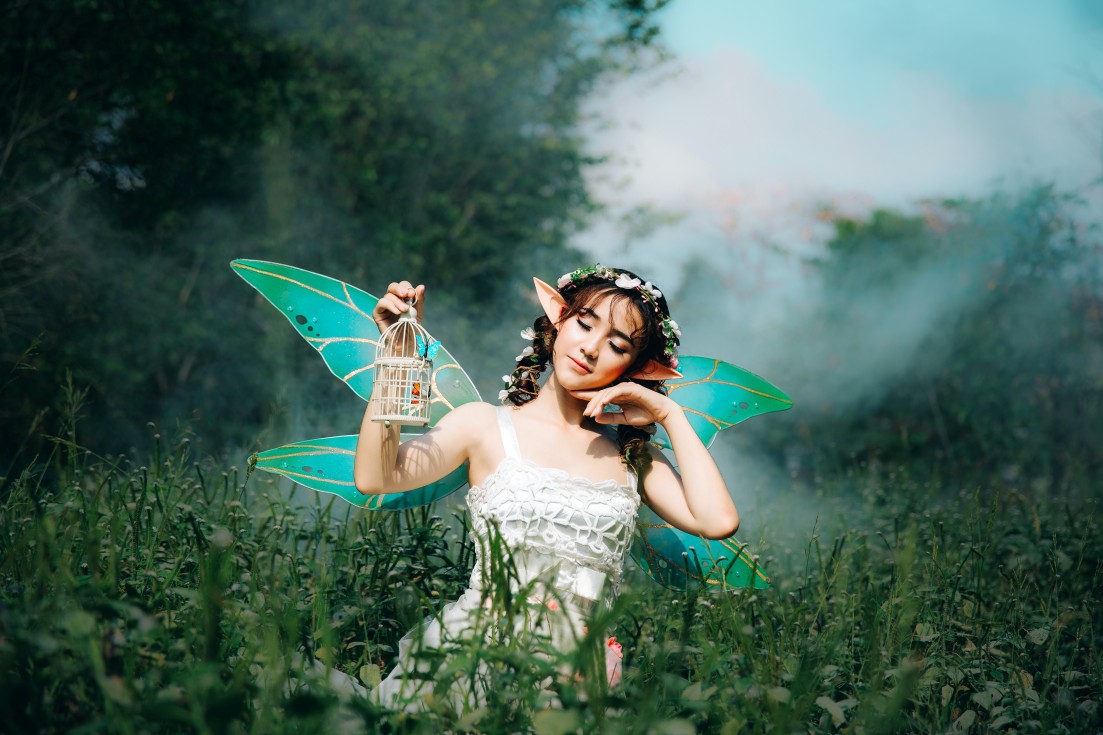
Photo by Anthony Tran on Unsplash
Mythical or fantasy creatures are the common muses in fantasy novels. But slapping wings on a character doesn’t automatically guarantee readers’ interest.
Fantasy is popular for readers seeking a magical time away from reality.
If they’re looking for a portal to a world where everything can happen with the correct narrative, fantasy novels are the right way. These are a hotpot for endless creativity and remarkable imagery, satisfying readers’ desire for escapism. When they wish to escape their responsibilities and the burdens of reality, fantasy novels welcome them to an enchanting realm, offering a direct route to forgetting about humanly woes and immersing oneself in spellbinding narratives.
But crafting fantasy novels isn’t plain sailing.
It can’t be achieved simply by creating a magical or uncanny world – something different from reality. Writing fantasies doesn’t solely revolve around creating a world sprinkled with magic or making people fly. These don’t automatically make stories effective. Instead, authors must dig deep and, ideally, concoct an entertaining narrative. Writing a fantasy novel requires thorough planning. For stories to be deemed enjoyable and pass the readers’ gaze, they must be crafted to perfection.
One way to achieve this is by producing impressive characters as much as they’re gripping.
When discussing characters, people automatically jump into painting images of humans doing mundane things. Regarding fantasy novels, these typically remain humans only with unhuman traits or a mixture of humans and other mythical creatures. Yet regardless, novel personas are commonly depicted as people. After all, a character’s excellence is primarily attributed to their relatability, those that make readers reflect and see themselves in the story. These allow readers to fully immerse and enjoy themselves in the narrative, imagining themselves being the ones taking part in the adventures.
However, what happens when authors opt to write about characters that aren’t human?
Will this influence how readers enjoy the story and its relatability?
One example of a story that stands against the norm is Edward Lipinski’s Werewolf on Madison Avenue, a thriller book about werewolves. It’s one of those fantasy novels that imagine protagonists as creatures that aren’t the typical human persona. Instead, it capitalizes on the staple element of the genre that makes it unique: fantasy creatures. These beasts and mythical beings are unique, non-human, and typically come from cultural zeitgeists.
For instance, werewolves seem like an absurd idea today. Humans turning to werewolves is genuinely something that people will think only exists in pages and movies – a horrifying image to envision if occurring in real life. But its conceptualization came from the typical inspiration of these creatures: legends and mythology.
Its earliest usage in literature was found in The Epic of Gilgamesh, where the author defined the first-ever man-to-wolf transformation. Through this story, readers can observe the significance of fantasy creatures or human-turning-mythical in how the plot uncovers. In the story, the change happened as a means of showing sorrow and anger. It was the character’s way of expressing herself, which, in turn, enhanced the storyline.
This is the magic and contribution of fantasy creatures in novels. Not only are they a beautiful and creative addition to the story, but they also contribute to the storyline’s depth.
How they interact or where they came about in the story adds layers to the plot. It can be a means to explore human nature and how they react to the world. For example, in the example above, the creature became a way for the author to establish what human emotion can do when threatened or challenged. They’re a creative way for authors to give insights into the complexities of human emotions and their experiences. It’s a captivating expression of these concepts, a way to impact and imprint on readers.
Hence, these fantasy creatures make stories unique and meaningful. The truth is fantasy novels don’t only stand out as a genre because of the magic these creatures bring. Instead, why they exist and what they contribute to the story also add value to how iconic these stories are.
Fantasy creatures can be flexible.
They can be added to any story, filling any role and making the novel fantasy. Hence, how they’re written may not matter as much. Instead, what they bring to the table should be what authors must consider more. It may not matter what they look like or what magic they have, but the authors should focus on what they do with these traits and how they elevate the story.
This is where readers would measure how compelling and entertaining fantasy stories are. They may not care much about the appearance and the unique zing! these characters have. But they must serve a purpose. This is what readers would genuinely look for and consider in a story.
 Alex Writes