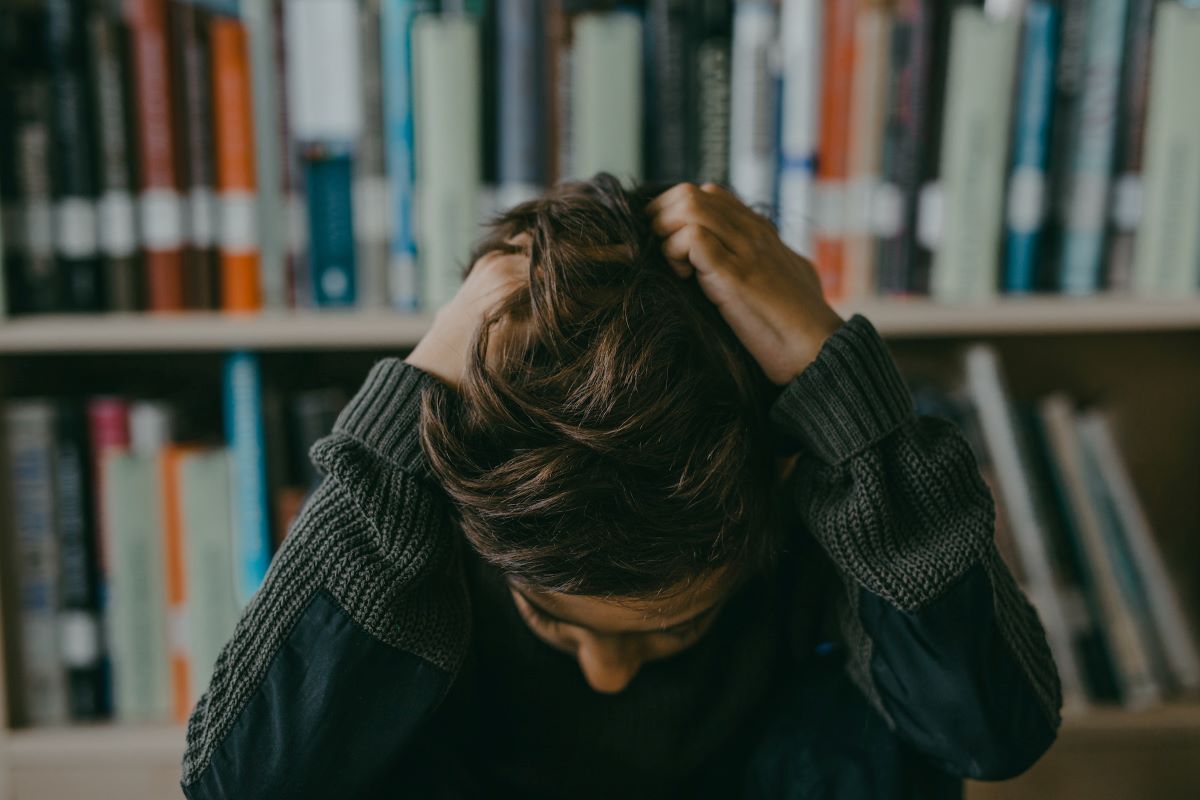
Photo by Mikhail Nilov
The effects of abuse on children can vary, but one thing they have in common is how much negative impact they have on a child’s mental health and mindset.
The most vulnerable members of our society are children. This holds true regardless of a person’s socioeconomic condition, ethnicity, or culture. Young people are a valuable resource that we should carefully guard.
Cynthia J. Giachino, author of Quiet. Fear. knows all about these adverse effects, so she wrote the book as her autobiography. It’s a story of quiet fear personal to Cynthia, which, unfortunately, many children are either now being abused or are in danger of being abused.
Let’s go ahead and learn what child abuse is and its effects on kids.
What is Child Abuse?
Child abuse, also known as child maltreatment, is described by the U.S. government as any action or inaction by a parent or caregiver that causes emotional, physical, or sexual harm sexual to a child.
Based on the Federal Child Abuse Prevention and Treatment Act (CAPTA)’s laws, child abuse is any act that causes bodily, sexual, or emotional harm to a person under 18—including neglect. The risk of developing a host of detrimental physical and emotional disorders later in life is also increased by child abuse.
The Negative Effects of Abuse on Children
A child’s beliefs, self-esteem, development, and capacity for function can all be severely impacted by child abuse. Abuse sometimes involves multiple types and occurs regularly, complicating a child’s physical and mental health for the rest of their lives.
The following are examples of the psychological, physical, and emotional repercussions of abuse on children and young adults:
• Social Issues
Children who have experienced abuse and neglect experience dread and lack confidence. They could struggle to establish relationships and communicate. They might be clingy, a worrier, agitated, angry, or insecure.
• Physical Health Concerns
Physically abusing a child can leave them with minor wounds like bruises or scrapes or severe injuries like deep lacerations, internal bleeding, or fractured bones. Long-term emotional harm might also come from these physical wounds.
A story of quiet fear is something that many abused children carry with them. The scars on their bodies can remind them of the horrible things they’ve been through. Life is not easy for abused children due to the negative impacts of child abuse.
Living your life plagued by the memories of your abuse and having physical shreds of evidence for it.
• Behavioral Problems
Childhood and adolescent behavioral problems can result from child abuse. Kids who have been abused can have mood changes, aggressiveness, low self-esteem, emotional outbursts, sadness, bed-wetting, violence, behavioral changes, withdrawal, etc. What’s more concerning is that some of these behaviors could carry on to adulthood.
• Childhood Trauma
Youngsters who have been abused can develop problems with relationships, communication, and trust. Victims could be combative, violent, susceptible to alcohol and drug misuse, or even have suicidal thoughts. They could struggle to pick up new skills or keep a job. They might also have to deal with ongoing worry and anxiety.
• Troubles With Mental Health
A child’s mental health may be negatively impacted far into adulthood. Child abuse can easily lead to serious mental health conditions like depression, PTSD (Post-Traumatic Stress Disorder), anxiety, and other mood disorders.
• Brain Development
Abuse of children can impair a child’s cognitive and brain development, leading to language and speech issues. Learning difficulties, skill or developmental regression, or both, may be present in victims.
Signs of Child Abuse
The age of the child and the sort of abuse they are experiencing both affect the signs of child abuse. Some may not exhibit any significant outward indicators, and even if a youngster does, this does not necessarily indicate that they are the victim of abuse.
You should disclose any suspicions of child abuse so the youngster can get support. Among the symptoms and warning signs of child abuse are:
- Emotional outbursts
- Sustaining relationships with family and friends is challenging
- Causing harm to animals or children
- Physical harm like bite marks, welts, belt marks, and fractures
- Continual motions like biting, rocking, and sucking
We should be mindful of these signs and help kids immediately.
Stop Child Abuse in Its Track
Millions of children suffer from one or two forms of child abuse daily. We must take it upon ourselves to protect them so that a story of quiet fear and the effects of abuse on children ceases to exist.
If you wish to learn more about child abuse and its perils, read our blog post “The Quiet Fear of Abuse: Why Children Don’t Tell” today!
 Alex Writes