
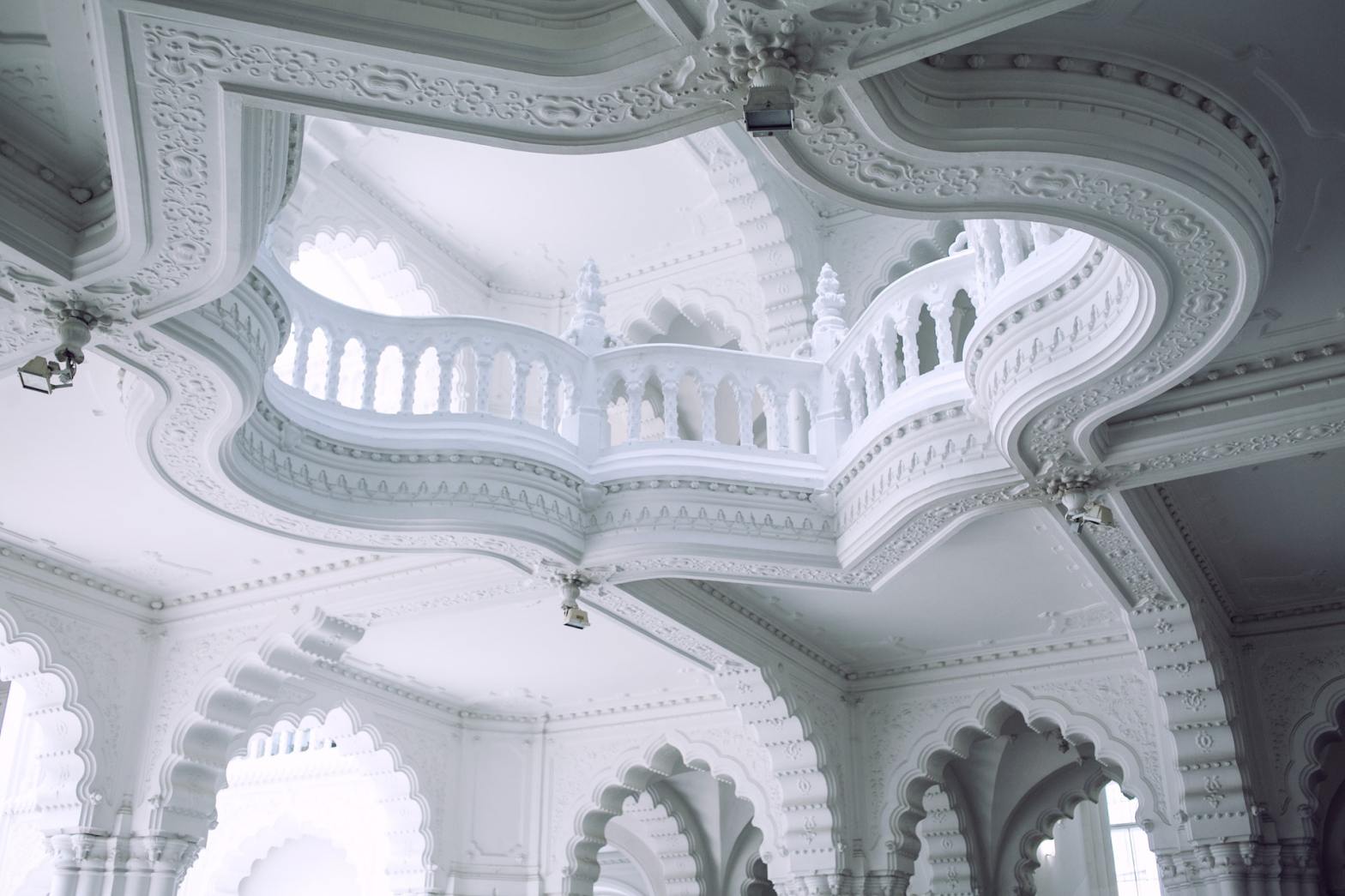
Photo by Maria Orlova
The observations made by Ronald Lee Harden about Tampa’s architectural history and the black community are pretty insightful about the unity of architecture and history.
While architecture is seen more as a physical art and a field of science, it is also more than that. Architecture is akin to a mirror, reflective of the culture, beliefs, and values of the civilization, society, or people who created it. One could even say it is the literal manifestation of a given time period’s culture, history, politics, and art. As someone who’s always been passionate about art (of which architecture is an example, contrary to some other people’s views) and history, I have slowly learned to be aware of the significance of architecture in comprehending and acquiring a glimpse of the past, especially the cultures of those that came before us.
The Intersection of Architecture and History
Although I am not one for traveling much, every time I do find myself somewhere outside of my usual haunts, I try to discover as much architecture as I can, especially if I’m in a place that is known for its marvelous structures and buildings like Osaka in Japan or Bangkok in Thailand. Even just “traveling” through the internet, looking up Wikipedia pages, Google image search results, etc., I feel really happy when appreciating the myriad architectural styles that have blossomed throughout history–from the classical style that originated with the Greeks and the Romans, the austere blocks of Brutalist architecture to the paradoxically sophisticated simplicity of modernism.
While people might have their preferences and their dislikes when it comes to architecture and the history behind it, I am always in awe of the beauty these styles have and the durability of their examples, having withstood the invariable approach of time. You see, architecture is much like a storybook (although its pages are not something everyone can read, let alone turn) in that it tells the stories and experiences of the people who built them, the materials that they used, the very techniques that went into constructing them and the purpose of their establishment.
Architecture is not only a marker of history but a testament to the ingenuity and creativity of our forebears.
The Function of Architecture Throughout History
Architecture has been one way of communicating power and authority throughout history. Take a look at the past, and I’m sure you will find many examples of these on display. Just think of the Pyramids in Giza, the monumental tombs of the dead pharaohs, the Taj Mahal in India, a reminder of an emperor’s love for his departed wife, the Great Wall of China, a massive line of defensive walls established to keep out the hostile barbarians of Imperial China, and the several cathedrals dotting Europe and South America. These and more are all symbols of wealth and power.
And while we may not be quite aware of them, they still exude the power to impress, intimidate and inspire.
Perhaps more than its ability to communicate power, architecture is, more importantly, the reflection of the social and cultural values of the society that established them.
By examining how contemporary architecture functions and how modern people engage with them, we can compare these observations to different examples of architecture throughout history and learn how people lived their daily lives and interacted with their surroundings.
For example, looking at the recent 19th century, people still had bustling street communities, as evidenced by narrower streets as compared to today’s wider streets which are geared more towards vehicular traffic. This suggests that personal automobiles were not used as much as they were today, perhaps due to it being a new invention or the relative cost of acquiring one.
This is just a minor example, but there are several more if you just go looking for it, like house sizes, roof shapes, preferred colorations, etc.
So, to conclude, architecture is an important tool for knowing more about the history and the societies of the past.
If you are looking to read more about the intersection between architecture and history, try reading this seminal work from Ronald Lee Harden that explores several decades of unexplored black architecture and history in Tampa, Florida.
 Alex Writes