
Joyce Nealy is another brilliant addition to the writing tradition of fables and children’s literature, creating engaging stories with incredible moral lessons for young children.
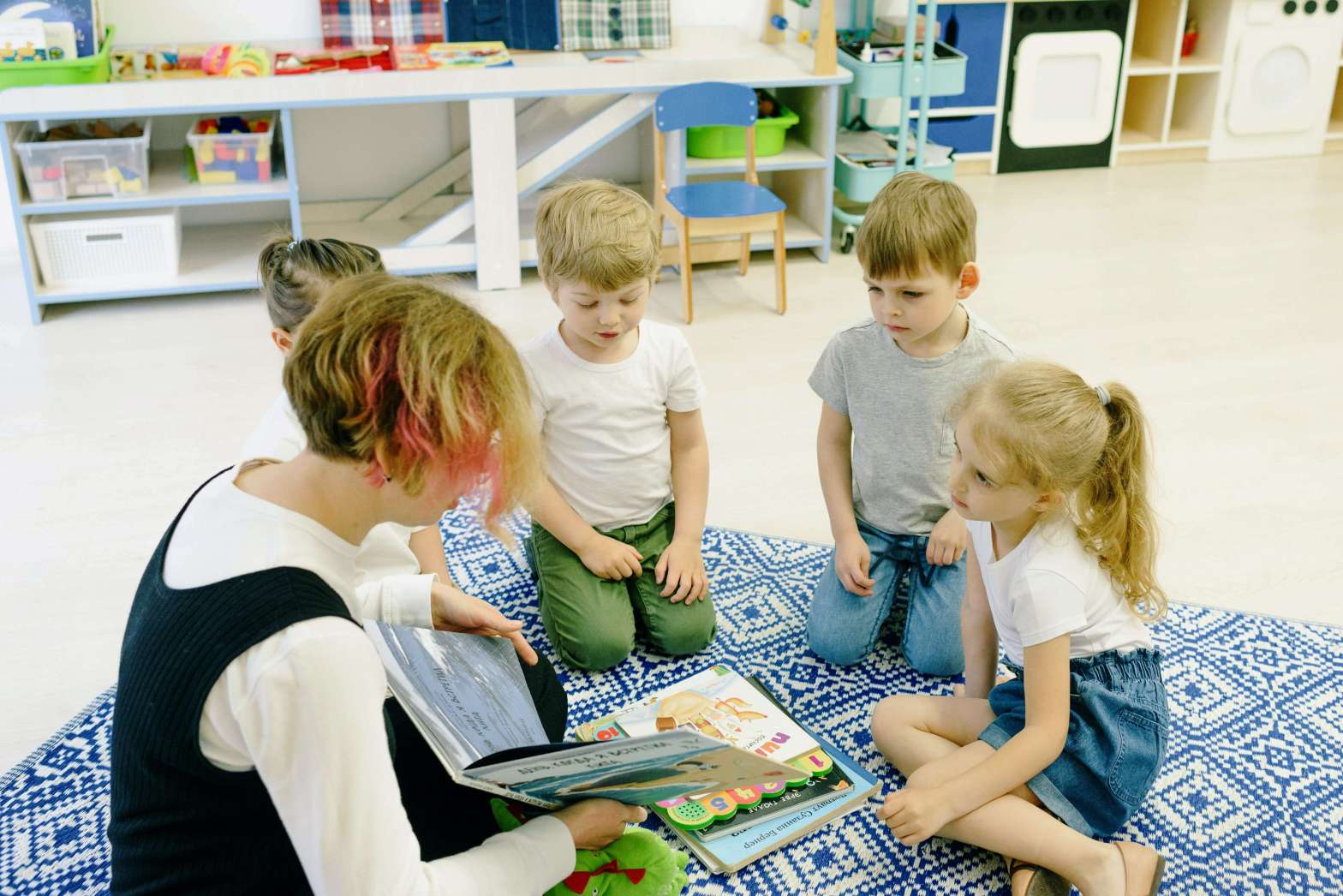
The act of reading is a powerful vehicle for creativity and imagination, pulling readers into familiar or strange worlds that they can engage with cognitively and emotionally. Flipping through the pages of books and concentrating on the story, readers are transported to the world described in the text, become immersed in the reality presented, empathize with fictional characters’ motivations and desires, and experience other cultures. Aside from affecting readers’ psyche, reading improves linguistic capabilities through the introduction of new words and phrases, the presentation of emotional and social range, and the acquisition of information and new novel perspectives.
The benefits of reading, especially for young children, have been extensively researched and recorded, with a new study each year confirming its validity and importance. That significance places educators, parents, and guardians in a vaunted position to directly influence children’s future opportunities by inducing a love of reading and making it a crucial episode in a child’s daily schedule.
By improving their reading skills, children are allowed comprehension of the school curriculum, the method to communicate at a higher level, and the utility of language in expressing themselves and the world around them. These results are not even speaking of the sheer pleasure in reading that which tickles their fancy, offering them chances to use their imagination to their limits and inculcating their minds with an open-mindedness and introspectiveness that will help them in the long run.
So, What Exactly is a Fable?
A fable is both a literary genre and a type of story. It is either written in prose or verse. Animals, fantastical beasts, plants, inert entities, locations, or natural forces, almost usually anthropomorphized to provide a relatable perspective, are featured prominently. For works geared towards younger readers, there are illustrations provided. A particular moral lesson is woven into the story structure, which is concluded typically and explicitly in a single, encapsulating phrase. A writer who primarily engages with fables is called a fabulist.
A famous example of a fable is the Hare and the Tortoise story. It narrates a competition between the two on who could reach the end of a track first. The Hare, being quick and agile, easily outpaces the Tortoise, but in its arrogance, it takes a rest halfway through, thinking that the Tortoise is going to take far longer to reach the end. The story ends with the Tortoise winning since the Hare overslept and couldn’t catch up anymore. The moral lesson presented here is the folly of self-importance and the virtue of persistence.
What Differentiates a Fable from a Parable?
Similar to a fable, a parable is also a story that provides a moral lesson to its readers. However, whereas a fable might prominently feature non-human entities and characters as the focus of their stories, a parable mainly has human characters. Parables are also typically religious, with some famous examples of parables coming from the Bible, primarily the teachings of Jesus Christ to his disciples.
What Are Fables Used For, and Why Are They Important?
From when they were invented, fables have always been used to teach moral lessons. This quality is why they are such valuable and productive genres for children. Their fantastical elements, whimsical atmosphere, and highly eccentric characters have timeless appeal for children of all ages trying to learn the advantages of committing good things and the consequences of committing bad things.
Aside from morality, fables also allow readers to look at the human condition from a lighthearted and humorous perspective through their use of non-human characters. Although straightforward in style, fables make for really effective satire and criticism.
Where to Find Contemporary Fables for Modern Readers?
While fables are helpful tools for educating children on morality, most examples are pretty old. While perennial in their lessons, some children might find the archaic prose unreliable and unpleasant to read. Examples of modern fables would be the works of children’s author Joyce Nealy, who has a series of fables with cute animals as its central protagonists.
 Alex Writes