
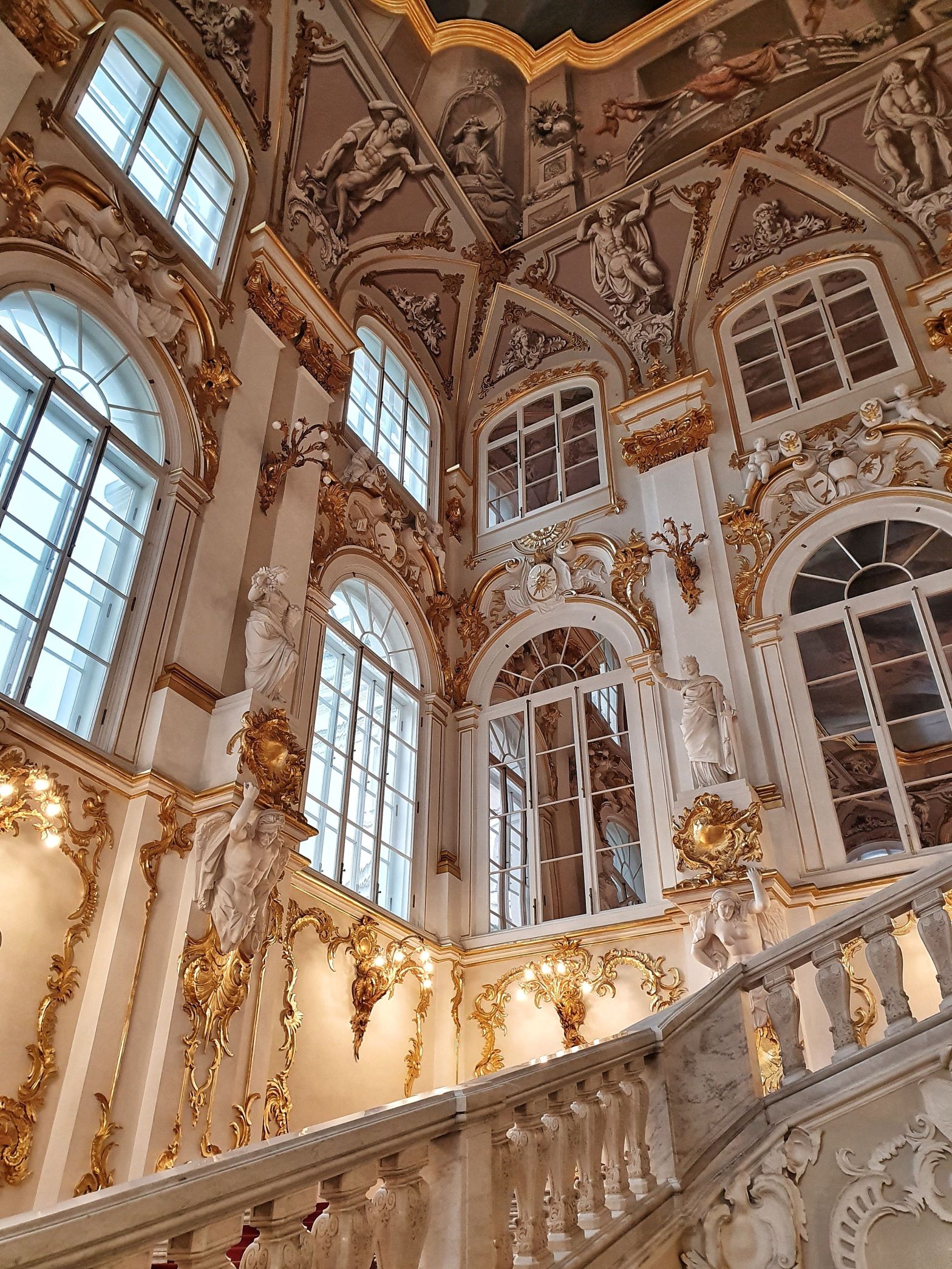
The universal language of architecture creates every piece of architecture.
A language is created by compiling a series of elements and principles of architecture. These combinations are evident throughout architecture and vary between cultures, times, and places. The fundamental design elements and principles are repeated, over and over, in different combinations to create different experiences.
These architectural design elements and principles have been identified by people looking at architecture and buildings and trying to make sense of them and bring some meaning, order, and logic to the pieces and aspects of what makes architecture.
The considered use of these elements and principles allows an architect to organize and consciously control the design decisions and outcomes and the experience of sensations, thoughts, and emotions in the inhabitants.
The absence and unconscious use of these elements and principles allow an architect to unconsciously create something uncontrolled with little consideration of the experience of sensations, thoughts, and emotions their work will evoke in humans.
So how do we design for experience?
The Three Basic Human And World Relationship And Its Distinct Oriented Spaces
The fundamental relationships between humans and their world open up three distinctively orientated spaces: being-part, being-initiating, and being-at-a-distance. These correlate to mood, movement, and open space, respectively. Then, the language of architectural forms appeals to the tactile-emotional, mobile-goal-oriented, and visual-contemplative sensitivities of humans instead of translating narratives into architecture. The only story at the architects’ disposal is the story of their taste and style. Architecture can do without the personal account of the architect’s taste and style. Still, this story has the added value of making explicit what is already visible, thus functioning like the decoration that illustrates the point. The larger frameworks of reference of cultural traditions that left their mark on architecture are equally or more helpful in cueing and experiencing architectural spaces as meaningful as what some of our experienced architects can exemplify.
Architecture And its Effect On Physical Well-being And Mood
Building lighting, materials, ventilation, and the use of space can all affect the physical well-being and mood of building occupants. Design can influence the productivity level of individuals working in an office. It can enhance air quality at home and encourage movement while lowering the risk of injuries.
Individuals who work in design are not necessarily charged with occupants’ health but are responsible for the innovation that supports health, safety, and welfare (HSW).
According to research, five “evidence-based approaches” or fundamentals support HSW. These are:
1. Environmental quality: Minimizing New and Reversing Existing Pollutants. Now, healthy design acknowledges the need for fresh air through ventilation that works with more valuable building materials. That is, designing for the distinct characteristics of the building location to lower the risk of exposure to environmental hazards.
2. Natural systems: Encouraging Health and Recuperation. Design that provides occupants a “sense of control over personal space” also contributes to health. Shared buildings such as offices and homes that encourage personal control, including climate control by outdoor and room access, improve productivity and reduce stress.
3. Physical activity: Promoting Exercise for Better Cardio Health. A space designed uniquely for physical activity, such as an office or home gym, is only one way to encourage movement. Architect Magazine conveys that the “deep integration of physical concepts” can inspire a more organic “anatomical engagement.”
4. Safety: Minimizing the Risks of Accidents, Injuries, and Crime. When a home is built with every level and age of physical ability in mind, it feels more comfortable for everyone, not just someone with limitations. More expansive bedrooms and baths on the main floor, hallways, door levers instead of knobs, and adjustable-height kitchen workstations are only a few ways to accomplish incredible accessibility through universal design.
5. Sensory environments: Enhancing Well-Being Through the Five Senses. The senses are why people choose a specific paint, fabric for upholstery, and art for the walls and one window design over another. They are firmly rooted in their preference for Mid-Mod, transitional or traditional homes. The senses are how decor trends evolve. How a space is designed affects mood because it appeals to (or offends) the feelings.
For inspiration, check out the Untold Architectural Book by Ronald Lee Harden. The book is about the Untold Architectural Black History of Tampa, Florida, Ronald’s 36-Year Architectural Career in Tampa. The Tampa Bay Performing Arts Center, Gaither and Bloomingdale High Schools, the Harbour Island project, Mobley Park, and Osbourne Landing Apartments; are just a few of the projects architectural project manager Ronald L. Harden has been a part of that have helped the Tampa community expand economically and culturally in 36 years. These projects have helped create homes, jobs, and cultural events for the city’s African-American and other mixed communities and have helped them create better lives for themselves.
 Alex Writes