
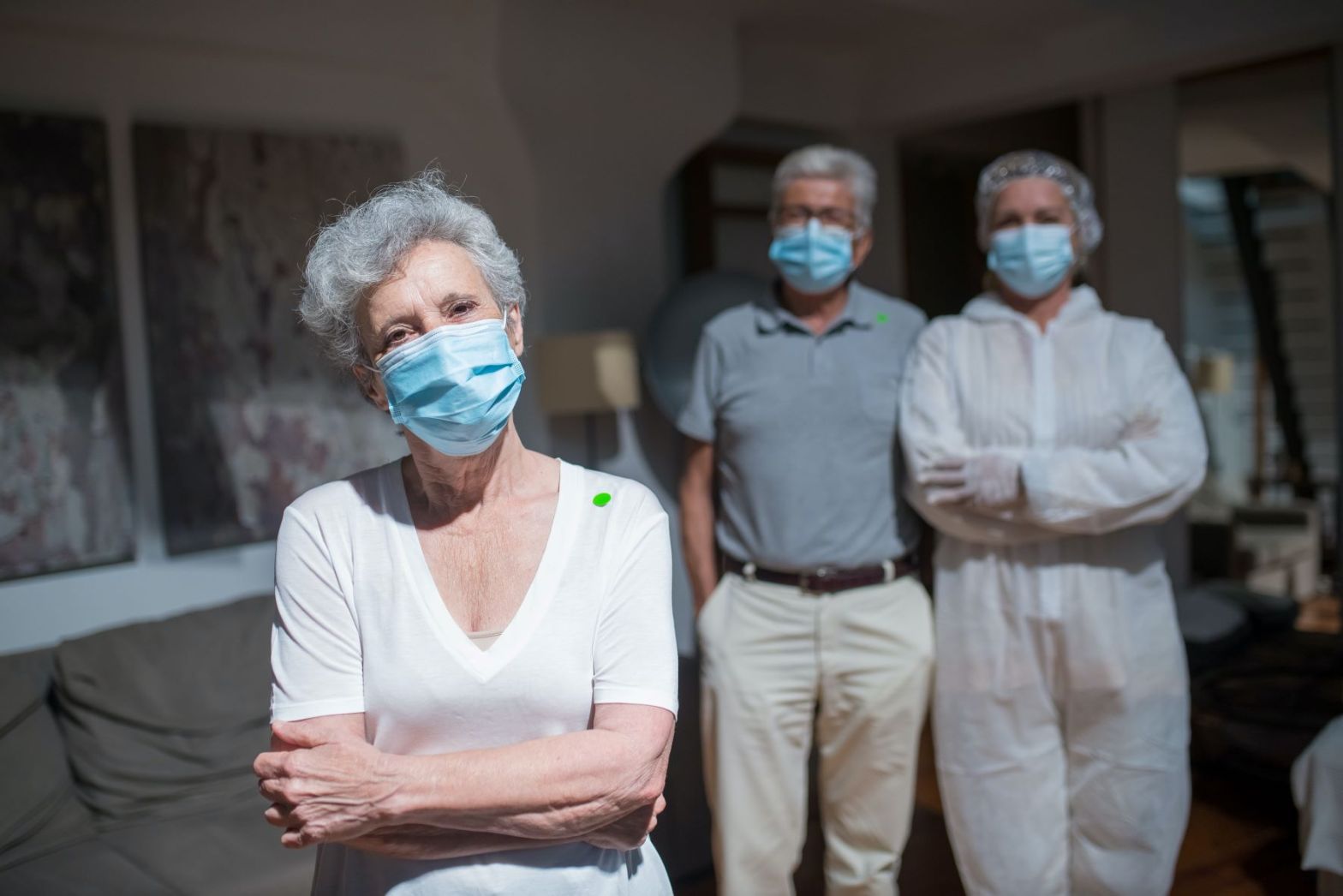
The COVID-19 pandemic did more than bring in a disease that changed health and safety as we know it; the disease altered to its very core the way of living and the lifestyle that we used to call normal. COVID-19 gave birth to the “new normal,” a new lifestyle, a new way of health and safety practices, and coping between life and work. The coronavirus effect is incredible, and it gave way to changes and increases in people’s needs and demands, be it in work or personal life. And one of those surges in demands is in-home care or caregiving services. Caregiving in the new normal regaining work-life balance is a bit of a challenge since caregiving takes on almost a full-time, 24 hours role, especially if the care recipient requires round-the-clock assistance or is in isolation.
All the more, the challenge becomes significant when the one giving the care is a family member or someone who is closely related or has a personal relationship with the patient. Where and when does the caregiver’s work end, and when does the personal life begin? Author Eleanor Gaccetta in her book One Caregiver’s Journey, depicted her journey being a full-time caregiver to her mother for almost ten years. The book provides a close introspection of caregivers’ realities and struggles over time and gives caregivers timely advice to take in their work.
Home Health & In-Home Care
Looking for someone to entrust the care of someone you know or someone you love can be difficult. It’s not just a matter of picking someone out among the available caregivers to take on the demanding role. Aside from having the right skills and qualifications needed for the job, there should also be that right amount of relationship chemistry between the caregiver and the care recipient. And that’s why the best person for the caregiver job is usually a family member.
Knowing the right kind of services a care recipient needs is the first step. Knowing the appropriate skills and qualifications from a caregiver is the next step. There are currently two types of care available: in-home care and home health care. In-home care services refer to the care provided that assists the patient in achieving a high quality of living despite physical or mental disabilities. This includes assisting with daily routines such as bathing, grooming, feeding; basic housekeeping; medication monitoring; or companionship. Some available in-home care agencies include FCP Live-In, Klarus Home Care, and ComForCare.
Home health care is the different types of medical services provided to treat an illness or a chronic health condition or help recover from an ailment, surgery, or injury. This includes but is not limited to nursing, therapy and rehabilitative services, wound care and treatment, or caregiver education. Examples of home health care agencies are Nationwide Healthcare Services, Inc., Bayad, Interim Healthcare, and Family Care Alliance.
Programs for the Elderly
The elderly group is perhaps the most vulnerable sector hit hard during the pandemic. They are very susceptible to the coronavirus, but those with comorbidities have to be careful because the virus hits hard for those with existing chronic illness or disease. Much care and support need to be dedicated to the elderly, even in the post-pandemic era.
There are some programs dedicated to supporting caregivers in their aim of helping seniors live a good, quality life. The Meals on Wheels Association of America (MOWAA) is the oldest and largest organization in the United States to prevent hunger and provide better nutrition through meal services to seniors.
Second Wind Dreams is another program for people living in long-term care in nursing homes, assisted living communities, and hospice facilities. This charity program grant dreams of the elderly, with existing donors backing as sponsors of those dreams.
Another program is the Alzheimer’s Foundation of America. It is a nonprofit organization that aims to provide services, support, and educational resources to individuals, their families, and caregivers who are affected or caring for a patient with dementia or Alzheimer’s disease.
Post-pandemic, people learned the realities of living alone, being isolated, or caring full-time for an ill, disabled, or injured family member. Looking for someone to fill in the role of a caregiver looked to be nearly an insurmountable problem after the demand for caregivers doubled over the past two years of the pandemic. Although the best person for the job to provide care is a family member, still, it’s good to know that there are services out there that can help provide respite from the laborious role of a caregiver. It’s good to know that there are resources that can assist in looking for qualified caregivers, and good to know that there are programs dedicated to help and support in providing quality of life for care recipients.
 Alex Writes