

Photo by drobotdean
Humans are unique thanks to our ability to use a concrete form of language. Although it has been scientifically observed that animals have shown fear, grief, and other intricate emotions, they cannot articulate them. We are the only known species to use language (in many forms) to communicate with others and express ourselves.
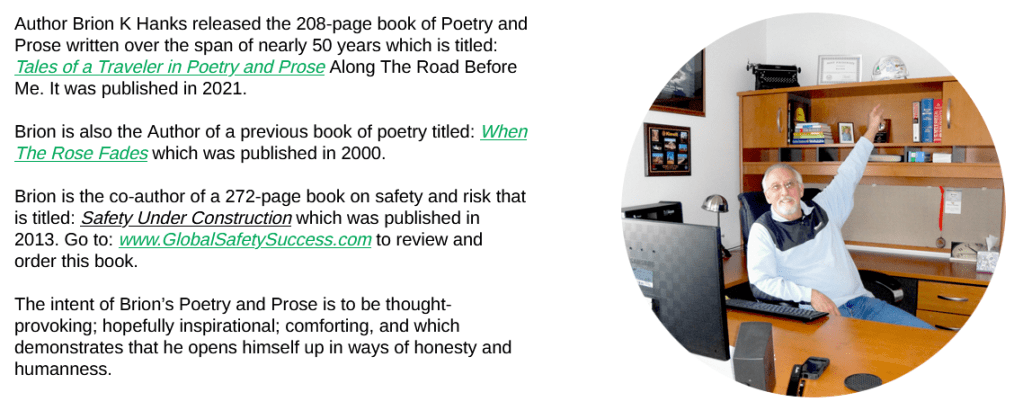
Poetry is among the unique forms in written and oral languages. Many individuals use poetry daily, with Brion K. Hanks, author of “Tales of a Traveler in Poetry and Prose Along The Road Before Me,” who writes heartfelt poetry for family and friends. Poetry as catharsis is vital to our lives.
But what exactly is catharsis, and how does poetry help us heal emotionally?
Defining Catharsis and its Nuances
While it’s true that our emotions can often be a great source of inspiration, drive, and joy, they can also cause us great pain, disappointment, and sadness. Emotions can be a double-edged sword that can hurt others and the wielder. Take anger, for example.
Anger is a powerful emotion characterized by antagonism aimed toward something, or someone we feel has intentionally done us wrong. If left unchecked, anger can resemble boiling water climbing over the pot, scalding anyone nearby. This is where catharsis comes in.
Catharsis is a process of releasing repressed or strong emotions, giving relief. This emotional release method is associated with the need to alleviate unconscious conflicts. Anger, fear, anxiety, trauma, and stress can lead to complex and intense feelings to stack up over time.
Eventually, a person will reach an “emotional tipping point,” and that’s the time when they start to feel as though they’re about to “explode.” The best solution is to vent such feelings healthily. Poetry can provide a safe and healthy way to release these intense emotions, like reading poetry for family and friends.
An example of what catharsis is is in William Shakespeare’s Othello, specifically in Act 5 Scene 2, where Othello discovers the truth and realizes the horror of his deed, prompting him to commit suicide. Before passing away, he uttered the words:
“I pray you, in your letters,
When you shall these unlucky deeds relate,
Speak of me as I am. Nothing extenuate,
Nor set down aught in malice. Then must you speak
Of one that loved not wisely, but too well.
Of one not easily jealous, but being wrought,
Perplexed in the extreme. Of one whose hand,
Like the base Indian, threw a pearl away Richer than all his tribe.”
Catharsis is necessary for healing, especially when you’re healing emotionally. With that said, let’s look at how poetry as catharsis can help us heal.
How Poetry as Catharsis Aids People
Poetry can give comfort and improve mood in times of grief, stress, and trauma. By using titillating imagery and powerful word mixes, accompanied by meter, rhyme, and metaphors, we are free to express ourselves better.
Making the intangible into something tangible is also one of poetry’s benefits. Feelings and emotions are intangible things. We can neither hold nor see them (unless a person acts them out), but we can perceive them.
We hear them whisper in my ears. We feel them crawling on our skin or clawing their way up from our stomachs to our chests. They are real, but since they’re not tangible, we have no natural way of dealing with them.
We give them form by using words and putting them on paper or reading them aloud in front of an audience or in the mirror. Once we have their tangible form in our hands, or once people have heard us talk about them, we can then start the journey. We can choose to burn the paper or never perform that poem again as a way for us to move on physically.
Consider Brion K. Hank’s poem “This Is My Life” as he makes his past self and experiences tangible through words:
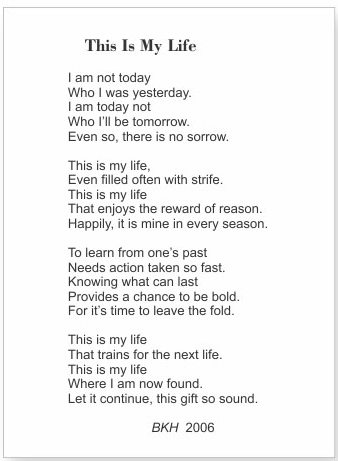
Here, he claims his life to be his own and serenely moves past his nostalgia, looking forward to what tomorrow offers. Thanks to poetry, Brion can cathartically talk about his past and how he is actively living in the present.
Humans are unique thanks to our ability to use a concrete form of language. And that same language allows us to experience catharsis on an entirely new level. A level of catharsis that only we humans can go through.
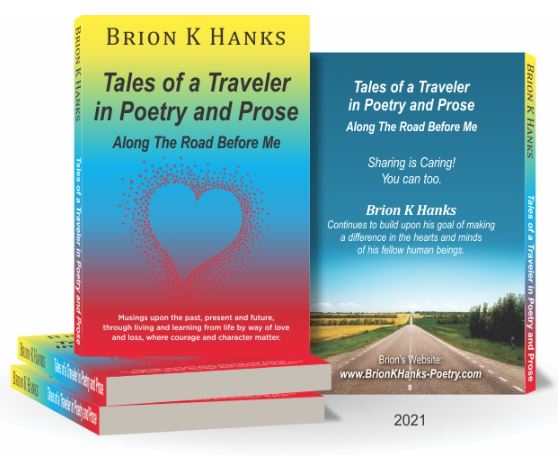
If you wish to read more poetry for family and friends with catharsis sprinkled, check out Brion K. Hank’s “Tales of a Traveler in Poetry and Prose Along The Road Before Me” here and add it to the five best poetry books that you should be reading right now!
 Alex Writes