
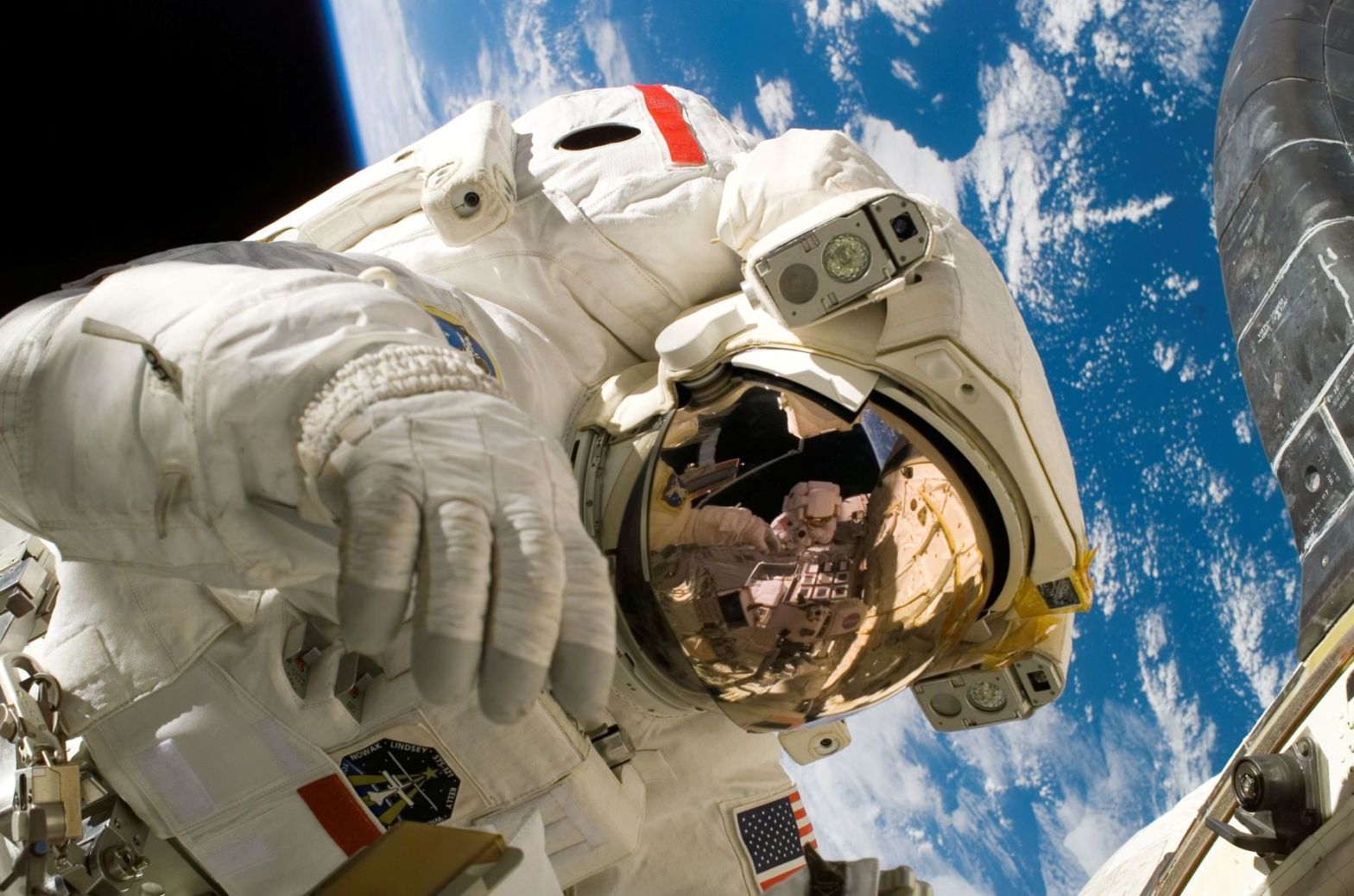
We often dream of getting into outer space and enjoying the light effects of zero gravity. But have we thought of what might affect our human body?
For more than 50 years, NASA’s Human Research Program (HRP) has studied what will happen to the human body in space. Researchers use what they learn to design procedures, devices, and strategies to keep astronauts safe and healthy throughout their missions.
NASA engineers use the lessons learned to better design spacecraft and improve the fit and functions of spacesuits. The research also aids in developing and assessing medical standards, physical fitness programs and standards, physiological and psychological adaptation training, sensorimotor training, and nutritional health protocols.
Below are the physical effects on our body when in outer space for some time.
Changes in the metabolic functions of our body. We also need well-balanced diets, but they face some unique challenges caused by differences in how our bodies function in space. You may eat your favorites like M&Ms, candy bars, and beef jerky. But everything must be taken in moderation, of course.
To help ensure delicious menus, the astronauts will do a taste test of the food and select their menus well before blasting off into space. Menu selections allow design meals balanced with the needed vitamins, minerals, and calories.
Bone and muscle weaken. Exercise keeps our hearts healthy, strengthens our muscles and bones, keeps us flexible, and makes us feel better. On Earth, gravity pulls against us when we walk, run, and play ball. It stresses our bones and tells our bone cells to continue to make more bone. However, in space, astronauts float around and do not have to use their muscles nearly as much, and they do not need their bones to help support them. On the Space Station, objects have no weight — and little effort is required to lift things or move around. Walking, standing, and even breathing on Earth require more muscle and bone strength than in space.
“Space sickness.” On the International Space Station (ISS), or Spacecraft that have flown into space, the force of gravity is much weaker than on the Earth. As a result, many people show symptoms of “space sickness,” such as headaches, nausea, and vomiting. When we are on Earth, we are strongly affected by the force of gravity. We have a small vestibular organ deep inside our ears (in the inner ear) that plays a crucial role in keeping our bodies balanced. This organ converts information on gravity and acceleration experienced by the body into signals and sends them to the brain. While on Earth, the brain always receives gravity information from the vestibular organs and uses it to keep the body balanced. In the low gravity of space, the information received from the vestibular organs changes. This is thought to confuse the brain, leading to space sickness.
The face often swells in space. Blood and other bodily fluids are being pulled by gravity into the lower parts of our bodies. Gravity weakens when you go to space. Thus fluids are no longer pulled down, which results in fluids accumulating in the upper body parts. This is the reason why the face swells in space. The mucous membranes of the nose also swell, so astronauts often have congested noses. If you stay for a while in space, the fluids in your body balance out, and facial swelling typically begins to disappear after a few weeks.
Conversely, a book by Wayne Scott Harral, “Moon Luck,” is a story of astronauts living on the moon. there will likely be one or more active stations permanently located on the moon in the coming decades. And another will inevitably take human life while living in these moon colonies. Will we be prepared for the first time it happens?
Moon Luck is the story of 30 astronauts living on the moon for extended periods. It is also the story of the astronaut scientists and astronaut explorers as they grow plants on the moon, explore and find mineral ores, conduct experiments and research, and develop animosities and close relationships. When one of the base’s senior members dies in what appears to be an accident, the story follows the trail to discover the actual perpetrator, leaving us with the question: Is it murder if it happens on the moon?
After knowing some of the effects of staying in outer space, a question worth answering goes. Are you still dreaming of getting yourself into outer space?
 Alex Writes