
There is a good reason you need to sharpen that No. 2 pencil (and it is probably not what you think).
Put yourself in a 10′ x 8′ cement room (about the size of a gas station bathroom). No phones. No internet. No clocks. Just a No. 2 golf pencil and your mind. You do not leave that cell. You stay there all day and all night. Your mind is all you have. Tick. Tock. Tick. Tock. Minutes stand still. Is prison beneficial? Can it change a person’s mentality?
So, what is your move, MacGyver? How long would you last? One day, two days, two weeks, two months? How about two years?
Prison can make a person mentally tough as nails, and there are plenty of benefits to mental strength. The experience might teach you how to adapt and embrace uncertainty, which translates to your daily professional life.
Here are some tips you can take along the way.
1. Take Zuck’s advice and become a minimalist. Besides the typewriter in the law library, your No. 2 pencil might be the most advanced technological piece of equipment you will own. This will help keep your mind proficient. You wear the same clothes daily, you eat what they feed you, and you do not have to deal with the same decision fatigue people experience daily in the outside world. Your mind is sharp, clear, and focused. Steve Jobs, Mark Zuckerberg, Johnny Cash, and Barack Obama all wear (or wear) the same style of clothing daily. It reduces the mental drain on mundane decisions and allows them to focus on more important ones. This is one of the prison’s less-known hacks. Try it.
2. Enjoy solitary confinement. Every prison is different. You have two options:
- Break.
- Get stronger.
Your mind will be strengthened if you can find mental peace from being with yourself for so long in such small quarters. You can replicate this hack in the outside world and now prefer small working spaces and isolation to get things done.
3. To pinochle or not to pinochle. This is about daily habits. While inmate peers played pinochle, spades, and every other prison card game invented, you can write and read. You can create a healthy pattern that you will write and read daily for 730 days straight. You can even write your first book with that No. 2 pencil. Further, try creating a competition with yourself. For example, you will start a 30-day reading game and reward yourself at the end. Try reading one of the most violent men in Real Prison Real Freedom book by Rosser MacDonald. This book tells the heartbreaking life story and inspiring change of the notorious Texas inmate Rickie Smith during a time of significant upheaval within the Department of Corrections. Thus, figure out some habits you would like to create, and put yourself to the test.
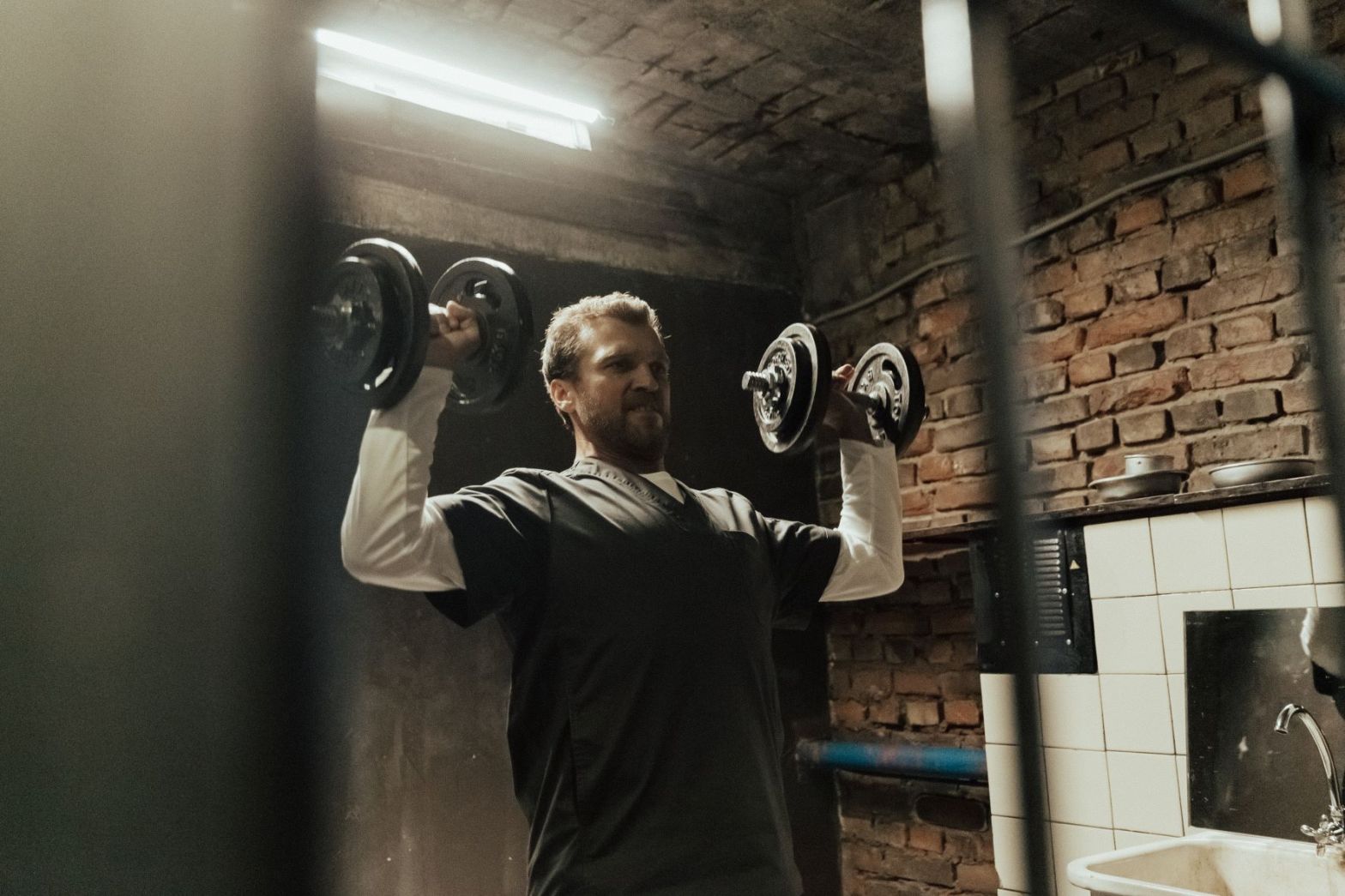
4. Flex on them. Body language is everything, whether walking the yard on a scorching-hot summer day or sitting at a table negotiating the terms of an investment. Generally, one can learn that your physical state is just as important as your mental state. There are physical body movements you can do that can help trick your mind into being more positive. For instance, if you are having a bad day, and your mind is getting the best of you, you can force yourself to smile and laugh. This creates a dopamine effect in your brain, leading to a happier state. If you are having a bad day, check yourself. Push your shoulders back, raise your chin, and walk with your chest out. Not only will you exude confidence while cruising the street, but you will also feel better mentally.
5. Find your inner MacGyver. Science shows that solving problems and pushing your mental boundaries creates new synapses in your brain. New synapses lead to increased intelligence. And prison has no shortage of challenges to solve, as every waking moment is a test of resilience and grit. Practice solving more problems on your own rather than going straight for help. It will improve your daily resiliency and problem-solving skills, making you much stronger mentally than your weakened and constantly “Googling” foes.
6. Make your bed. Beloved stoner and Up In Smoke star Tommy Chong spent nine months in federal prison between 2003 and 2004 for selling marijuana paraphernalia. He claimed, “The only two things I learned while locked up were picking up trash and making a bed.” Little did Chong realize that making a bed was improving his mental health. Research shows that simple, consistent daily habits and routines–like making your bed–significantly impact mental health and combat depressive symptoms.
Concluding Remarks
Yes, prison provides ample time, problems, and experiences to get mentally more challenging. With the right mindset, upon release, anyone can feel invincible. Instead of going upstate and working on your list, though, how about you follow these tips and sharpen that No. 2 pencil?
 Alex Writes