
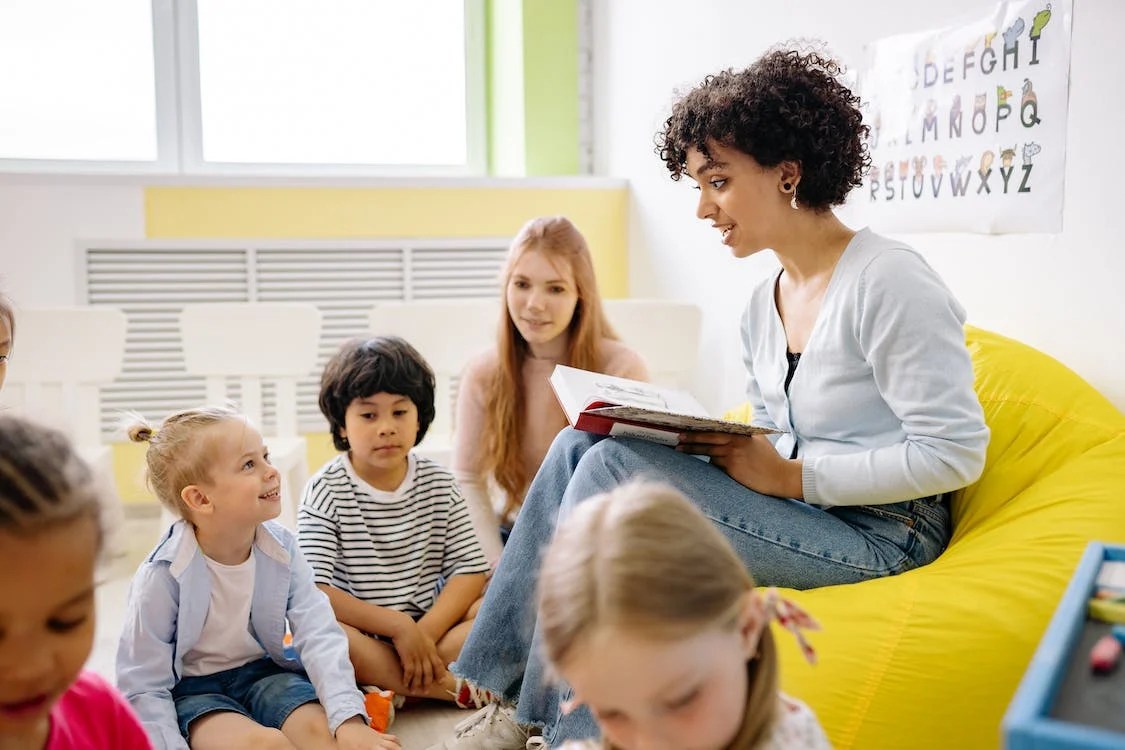
Photo by Yan Krukov
Reading aloud not only builds reading comprehension but also enhances children’s listening skills, especially when they’re in groups. A children’s storybook by Stadler is an excellent start to use as material for group reading.
It can be challenging for any shy adult to read aloud in front of a group of children. If you’re not well-prepared, you might feel anxiety and start stuttering in public. Listening is a skill that needs to be developed in children and grownups. This exercise provides you with the necessary speaking skills that will be useful to you if ever you get the chance to speak in a larger crowd.
We’ll provide valuable tips on improving your public speaking skills through reading in front of a group of children, from the preparation stage, the reading proper, and the final phase.
Before You Start Reading
- Practice reading a children’s storybook alone before you read it in front of children. That way, you can take note of your speech patterns, pacing, and diction. This is an important thing to do, especially if it’s a novel or chapter book. Familiarize yourself with the plot, characters, and theme to sound like you know the characters very well.
- Make sure that your reading nook setup is comfortable for children to sit in and that they can see the picture book.
- If you’re going to read a picture book, show the front and back cover and share a summary of the story before you begin reading aloud.
- Come up with mini-games or vocabulary exercises that are educational for children. This will be applicable later on after a group reading session.
During Group Reading
- If you have an interactive audience, there might be times that they would want to give their insight or comment on the story halfway. Some children might become restless and would be all over the place during the reading session. The best thing to do is pace yourself accordingly as you read through the whole story because, in these situations, you might not be able to read the entire book smoothly.
- While reading aloud a picture book, it’s also best to describe the illustrations in a way that children would understand. Some of them might find it hard to comprehend what’s going on even with the visual aid, so be sure to describe the story’s art thoroughly so they can understand; that’s when you proceed. Children have various ways to absorb a story, even if pictures tell a thousand words. If they’re still learning how to read, an image often helps them understand the terms they haven’t encountered yet.
- The moment children ask questions or chime in with their comments, and it is a sign that they’re interested and listening well. To keep the interaction going, try asking open-ended questions like the following:
‘What do you think would happen next?’
‘Why would they do that?’
‘How would it feel if it was you?’
- Regardless if the children know how to read or not, allow and encourage them to join in the reading experience by humming along a rhyme or song, and most significantly, the part you’ve read. Doing so will help them remember the details, including the repeat phrases.
After Group Reading
- Don’t be stuck with purely reading the whole day. If you prepare any activities, let the children participate in them.
- If you’re planning a drawing activity, encourage the children to explore and share their thoughts on the story by letting them draw on paper.
- It’s also important to talk about the book after reading it aloud. Casually discussing what it’s about added to the excitement and comprehension that the children experience.
- When children know the stories by heart, it helps them build confidence. If they want you to reread the same classics, it often means they feel emotional satisfaction. And to exercise their reading skills, come up with a reading activity they can do in pairs or smaller groups.
- Children often enjoy interpreting a story through roleplaying. Acting out the plot allows them to better understand the characters and the story. If they can retell the story in their words, pairing them with some acting would be much more fun. They get to learn empathy and broaden their thinking by getting into the characters’ point of view, whether they’re from the villain or hero. Children also pick up teamwork and exercise confidence when it comes to storytelling.
 Alex Writes