
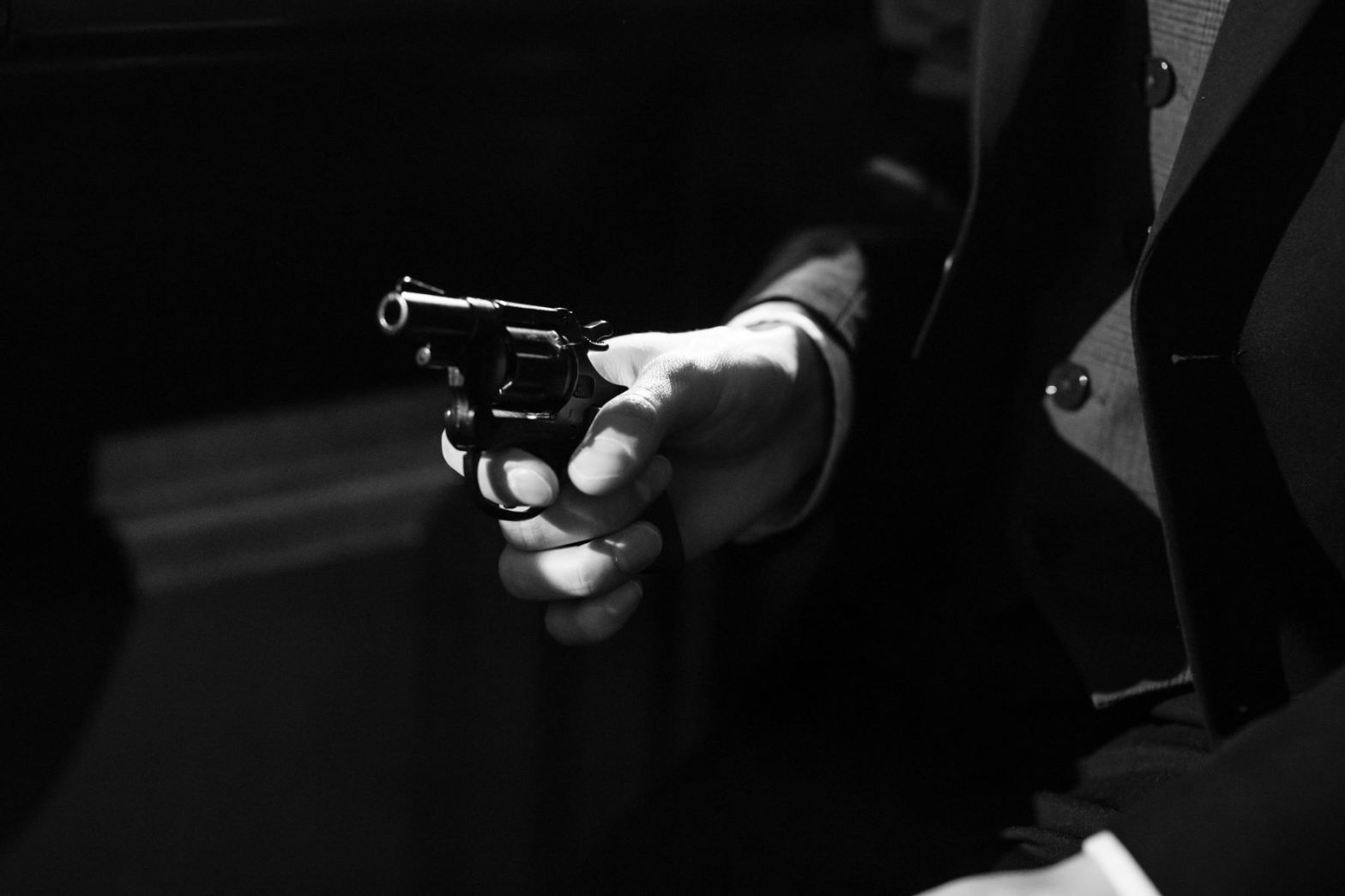
Spy fiction is a type of fiction that mainly involves espionage as a plot device. It came to form during the 20th century, in a time marred with political intrigues and rivalries between major colonial powers, as well as the creation of modern intelligence agencies such as the Office of Strategic Service (O.S.S.) and its predecessor, the Central Intelligence Agency (.C.I.A.), the British Secret Service, as well as the K.G.B.from the Soviet Union. Spy fiction usually deals with themes of adventure, political intrigue, and scandals, as well as thrillers and politico-military thrillers.
The spy genre evolves with the times, and the cast of characters changes depending on the era. During the 1st World War, it was the Western Civilization vs. barbarism, as seen in “The Thirty-nine Steps” and “the Greenmantle.” Meanwhile, the Inter-war period featured enemies from the Red Menace and an accurate portrayal of espionage during World War I. Then came the turn of the Allies and the Nazis along with other fascists during the Second World War, with many amateur and everyman protagonists reluctantly engaging in espionage, such as that in “The Dark Frontier” and “Epitaph for a Spy” by British Author Eric Ambler. The Cold War probably had the most impact on the spy genre as both sides of the Iron Curtain battled in the race to get intelligence. This era introduced Agent 007 himself, James Bond, in Casino Royale, as well as Johnny Fedora in Secret Mystery and the more serious Alec Leamas in The Spy Who Came in From the Cold. Meanwhile, the modern era has Jason Bourne in the Bourne Series, Ethan Hunt in Mission Impossible series, and Joe Wilder from Frank Heller’s The Secret Empress fight terrorists that threaten to destroy the peace.
With multiple stories in its belt, it would be no surprise that the spy genre will form a pattern of conventions. Far from becoming clichés, these conventions or literary devices become the novelist’s tools to keep the genre fresh. A great example would be a spy novel’s cast of characters.
Cast of Characters
Like most novels, the spy genre has its share of character archetypes. Most of the time, these help the reader find who to root for, which is extremely helpful for a genre that is full of paranoia, betrayal, and backstabbing. This prevents the reader from keeping track of which people are on who’s side and who is currently betraying who.
First among the cast is, of course, the main protagonist. These are your James Bonds, Ethan Hunts, and Joe Wilders. Most of the time, they are portrayed as a suave and masculine figure. More often than not, they are part of a special force or former special services. Despite the majority of main protagonists being male, it does not mean females cannot lead a spy novel. Some of the more famous female spies include hacker Lisbeth Salander from “the Millennium Trilogy” and the titular Vera Kelly from Who is “Vera Kelly?”
The next character that any spy story needs is the weapons and tech guy. This is especially true for the more action-packed pieces of the genre. Without these guys, the main protagonists would be caught with their pants down. James Bond’s Q, the Kingsman’s Merlin, and Benji Dunn from Mission Impossible have supported their operatives for many of their missions.
A spy also has his female companion, or in the case of the female lead stories, a male companion. Most of the time, these female companions can be the romantic interest or the primary provider of intelligence for the main character. M, as played by Dame Judi Dench from the James Bond film Skyfall is of particular note as she not only serves as Agent 007’s companion but also serves as her superior. Other notable female companions include Ilsa Faust from the Mission Impossible Series, who is a more than fantastic spy in her own right.
In rare cases, the cast of a spy story includes a double agent. These are characters whose allegiance is unknown. Writers often use them as a way to keep the audience guessing on their toes. Sometimes, these guys could be the main antagonists themselves, such as in the case of August Walker, aka John Lark, in the 7th Mission Impossible movie.
Lastly, the spy genre would often include a character for External Assistance. These are usually one-off characters that just appear in one part of the story. Authors often employ them as a way to keep the story going. More often than not, these characters die after they have served their purpose in the narrative, usually to show that the world is dark and unjust.
 Alex Writes