
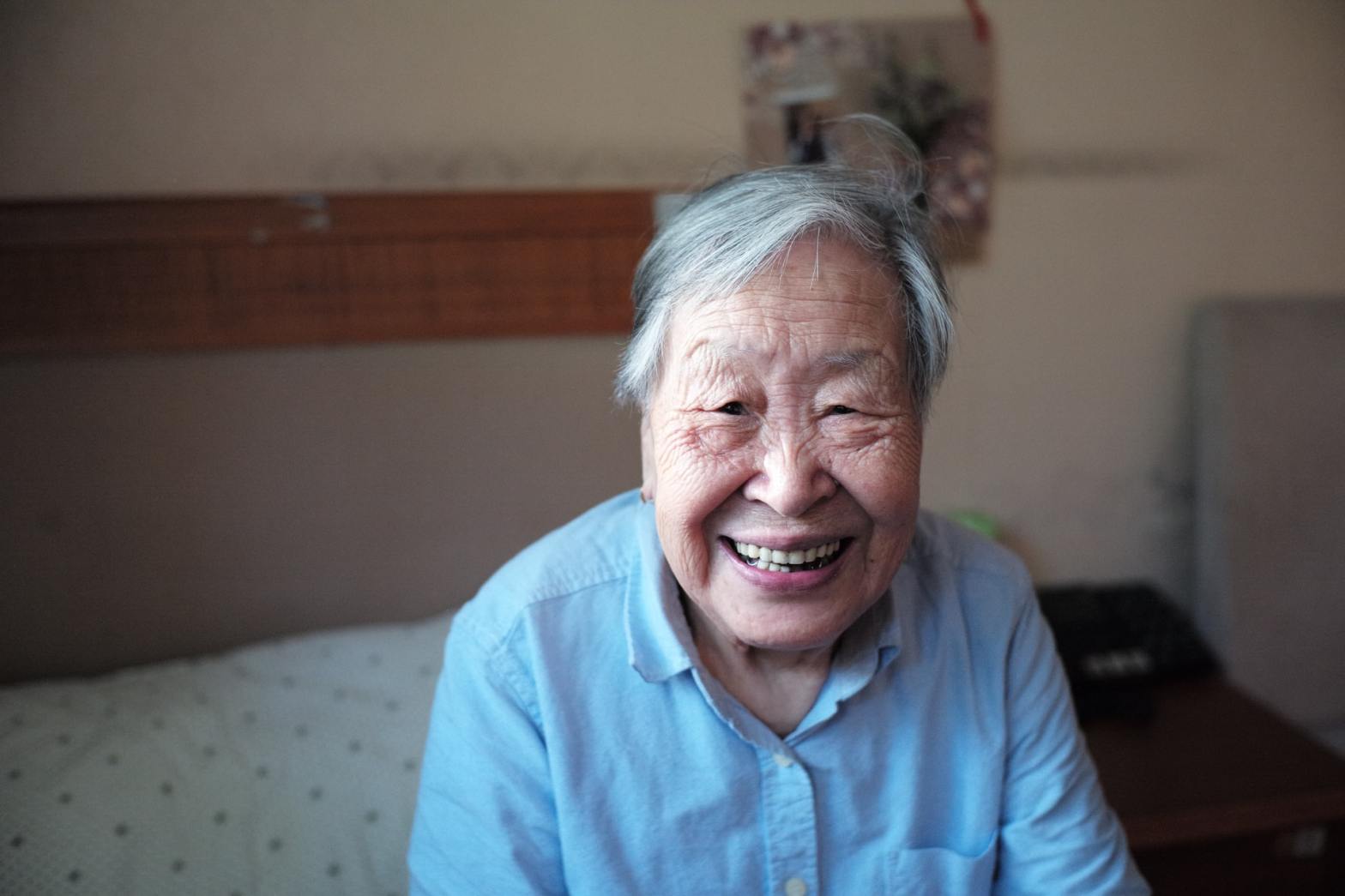
Home safety evaluation refers to the detailed assessment of possible dangers inside and around your house. These potential risks may include every factor that can lead to physical injury, fire, flooding, and other events that can put you to harm. Living in a comfortable and safe home is essential, especially for those elderly living alone or with a caregiver.
According to American Psychological Association on By the numbers: Older adults living alone published on 2016, there are 26% of Americans living alone in 2014. The older adults who desire to live in their homes along with a caregiver resulted in 61%. The numbers are still high compared to total of those 4% who want to move into a nursing home, 8% who desire to live with their families, and 17% who prefer to reside in an assisted living facility. In these kinds of situations, seniors should get professional help to conduct a home safety risk assessment.
You can do the home safety evaluation on your own. The general home safety risk assessment can be done by a security consultant, insurance agents, and other qualified medical professionals. Another practical and effective choice is that the caregiver of the senior does the risk assessment to ensure the safety of the elderly.
The book One Caregiver’s Journey points out that it is essential to be a 24/7 caregiver by Gaccetta and attend to the needs of the elderly, which includes assessing risk to ensure their security. The general rule of thumb is the risk of falls. Falls is the single accident that occurs that causes injury to the elderly. The simplest way to make a home safer is to remove all throw rugs which can cause one to trip and to install safety bars in the bathroom, bathtub, and shower. Add a shower chair to ensure safety bathing.
What could be the reason behind the importance of home safety evaluation to older people? For many elderly who are residing independently or with caregivers enjoying the comforts of their homes, it cannot be helped that unforeseen hazards exist both in and outside of their houses. Due to old age, illnesses, and disabilities, they frequently need support and help in their homes, especially in keeping themselves secured and comfortable.
Safety is a crucial aspect in seniors who want to remain independent. Due to their weakening physical health brought by their increasing ages, moving from one place to another and doing other chores can beome difficult. There are many instances that they can easily fall, slip on the bathroom floor, or encounter other unforeseen hazards.
The slightest overlooked hazard can cause significant injury if they are left unattended. So, caregivers and other qualified personnel should make it a priority to conduct the assessment. They should have a checklist containing the areas needing to be inspected, such as the bathroom, kitchen, general safety, halls, living room, stairways, bedroom, and outdoor area. Afterward, the homeowner should take note of the faults, if there any, and make necessary changes to ensure the safety of their loved one.
Home accidents are among the leading causes of injuries that are either minor or fatal. Older people who are already experiencing health problems or have difficulty moving are vulnerable to these unfortunate events at home. A simple fall that causes some scratches to a healthy and young person has a more severe impact if it happens to the elderly. Moreover, as people age, and their health declines accidents can occur with little or no warning, and health are declining, which hinders their freedom to do what they want like they used to do. But with a regular and straightforward home risk assessment check, seniors can continue to savor their independence, be less supervised by caregivers, and enjoy the comfort of their homes without the fear of getting hurt.
In short, the significance of conducting regular home safety evaluation lies behind the fact that seniors — regardless of their health concerns, still want and deserve independence. Even though caregivers are there to support and accompany them, the sense of relief and comfort provided by living in a safe shelter contributes to the positive outlook of the elderly.
 Alex Writes