
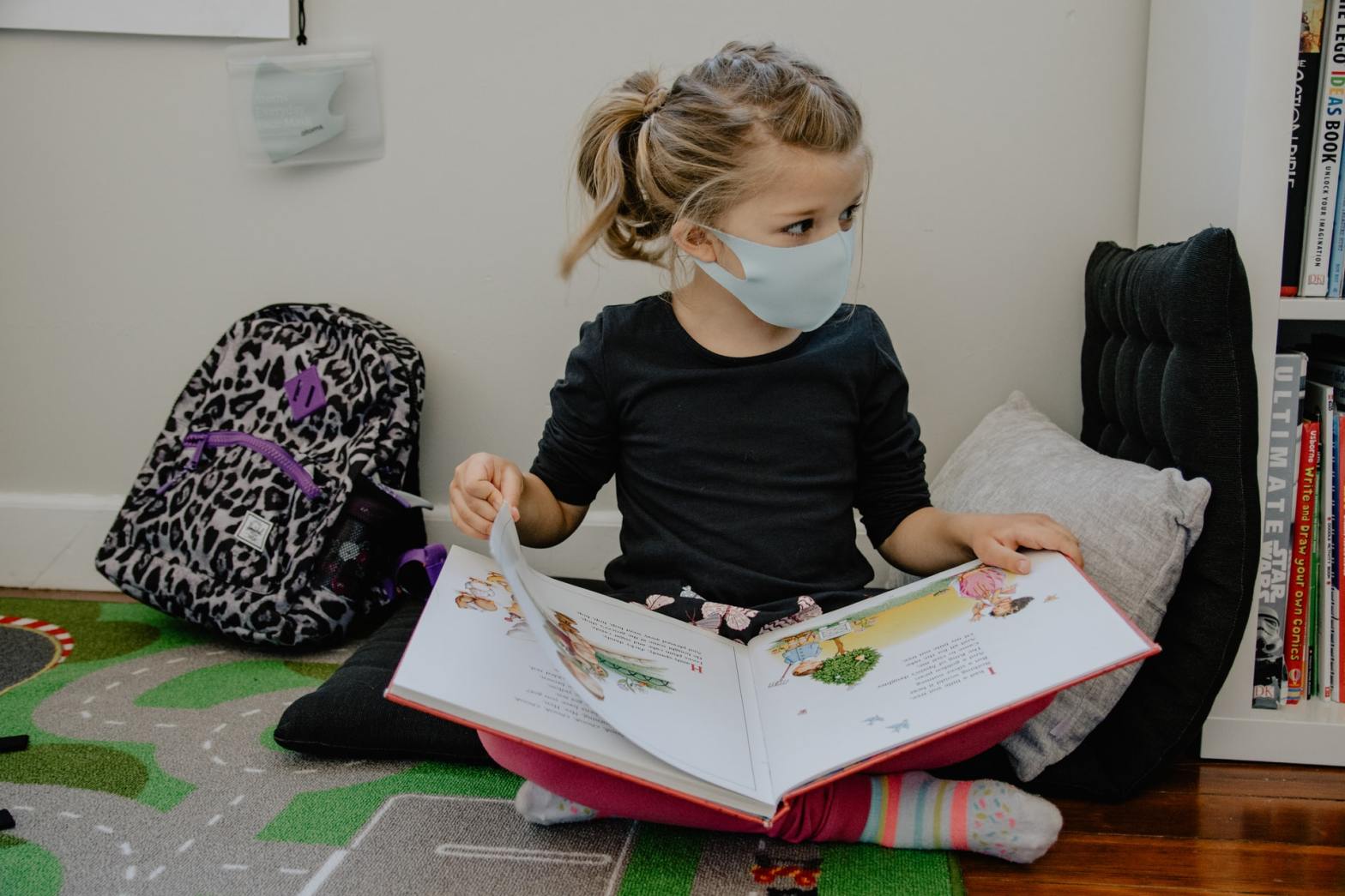
Being a children’s book author is not easy. Imagine having to compete with the other established authors of the same genre that have already been there for the longest time? It’s insane and intense. What makes the journey more challenging is the fact that your target readers have fickle minds. They easily focus their attention from one thing to another. Hence, you should really do a good job on the writing process to be able to get along with the competition in the publishing world and gain more prospects.
There are different types of children’s books, such as storybooks, picture books, and such. All you need is to choose a category that fits the concept that you have in mind. Moreover, if you want to become a promising children’s book author like J.K. Rowling, Roald Dahl, Nelibeth Plaza, and Gabriella Eva Nagy, then you should know these keys to achieve success.
Know where the kids’ interests lie
Take note that the age gap between you and your targets is absolutely wide. As a result, you may have different kinds of interests. That is why it is necessary to know the likes and favorites of your prospects. Kids have different preferences depending on their age range. Toddlers age 3-5 years old are commonly into books with colorful covers and illustrations while kids age 6-9 years old still likes vibrant-covered books but they can already comprehend the story with lesser pictures. Make sure to know the things that your patrons love in order to create a relevant and enticing book.
Keep your language simple
Children are still exploring the world. They are also still on the process of learning the basics of life and themselves. Using simple language might be beneficial for both parties. Since you are already in the right age, you might want to use a simpler language where children can easily understand. Writing stories using more advanced terms has the tendency to be left unread, because your target readers will have trouble understanding your story. So, this is where appropriateness comes into the picture — ensures that your terminologies and language fit the age bracket of your readers.
Avoid lengthy paragraphs and sentences
Attention is one of the essential things that you need to catch and fight for as a children’s books author. Therefore, writing long paragraphs and complex sentences will definitely not do you good. As much as you want to convey your ideas through a bunch of words and connect it to the first paragraphs, you should avoid it. Kids, especially toddlers, may easily lose interest in your work even if they have someone reading the book for them. The more words you write, the more your idea becomes complex. Hence, make sure to KISS — keep it short and simple, your work.
Instill valuable lessons
Because your readers are still pure and innocent, protect them at all cost. Books are inanimate teachers; and, as the author of a remarkable book, you should aim to help these kids grow into better individuals. Although there is no mandatory rule for your work to instill values, please take the initiative to use your talent and platform to make a difference. Thus, gradually infuse and highlight a particular value that you or lesson that you want your readers to learn. These lessons can either be used in the academe or life. Regardless of that, what is important is that you have contributed to molding these kids into great people in the future.
Add relevant illustrations
Illustrations help a lot. They contributed greatly when it comes to increasing reader engagement. Your story is wonderful as it already is, but you can make it more beautiful if you include images in it. However, the illustrations that you will blend into your story must be relevant. They should help in telling the particular part of the tale. Readers, especially those who are still learning to read, will definitely appreciate the pictures because they can help them comprehend the story better. Moreover, you are also free to infuse different art styles in your story. In the end, it all goes down to how the illustrations and the stories complement one another.
 Alex Writes