
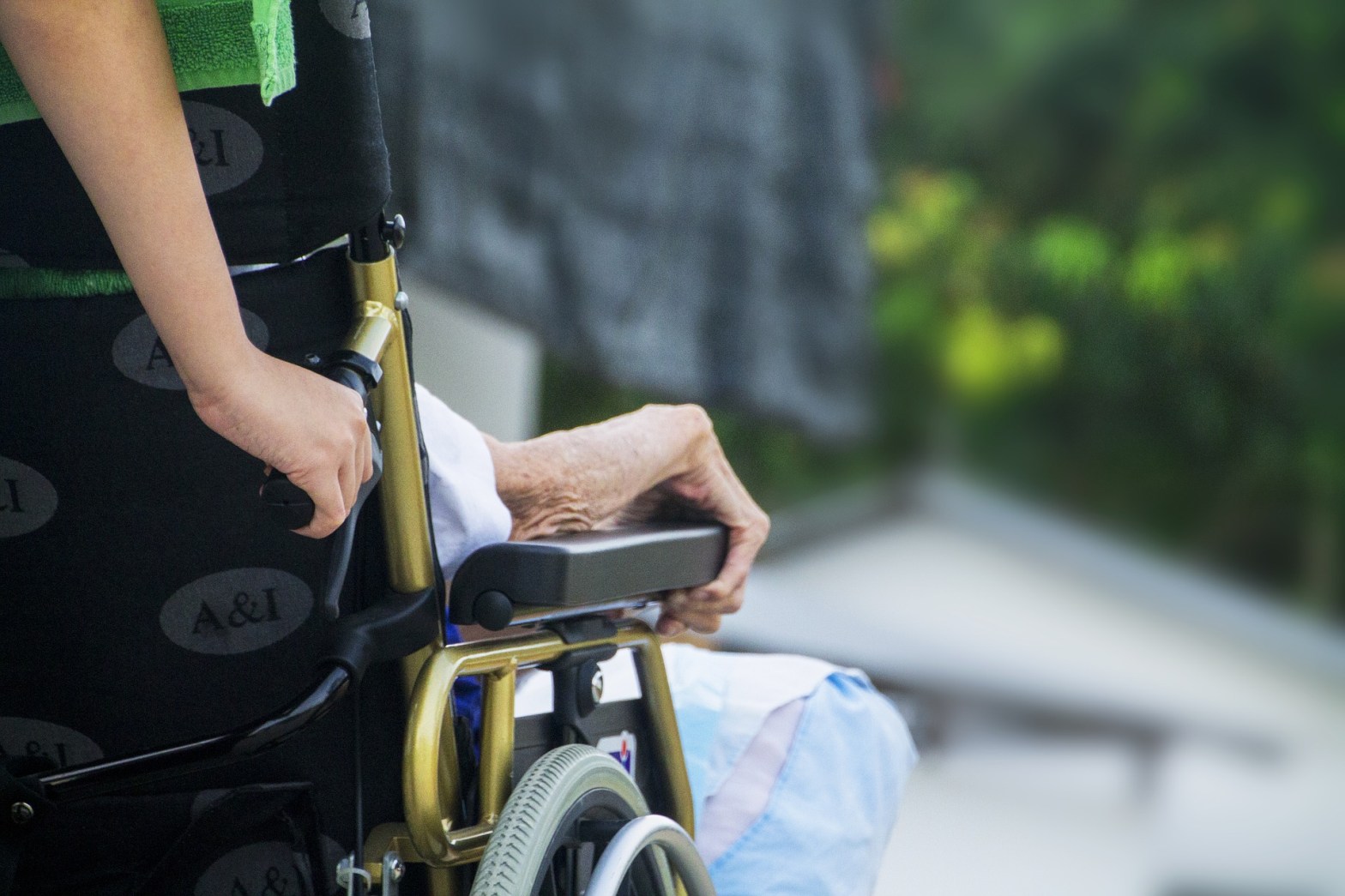
Caregivers are the unsung heroes of today. They are those people who sacrificed their time in order to provide care to others. Who would have thought that one of the toughest jobs is also among the most rewarding? Moreover, people who work as a professional or family caregivers have had experienced different kinds of emotions in during their roller coaster journey of giving care to those vulnerable ones.
The primary job of caregivers is to care and nurture those who need their services. Most of these people are suffering from old age, diseases, and the likes. Apart from that, there are also other tasks that caregivers must attend to — the ones that cannot be handled by the care recipient or their direct family members. Hence, listed below are the common caregiving duties that every caregivers or caregiver-to-be should know.
Assist the receiver of the care in doing essential tasks
There are many daily tasks that people cannot do because of their underlying illness or condition. That’s when caregivers are needed to the rescue! These amazing heroes will be required to help these people with health issues or of old age in performing their everyday routine. However, the execution of the assistance might differ because it will depend on the request that the patient. There are also times that caregivers will be needed to assess the situation and work with their own initiative. Most of these tasks will include giving assistance on eating, walking, bathing, and moving. It is important that caregivers must execute their services with kindness and care so that the receivers of the care will feel that they are being taken care of genuinely.
Be there on times of need and on 24/7 if possible
Sometimes being a caregiver means that you should be there not just on times of need but all the time. Hence, you should focus your mind on your job and on the sake of the receiver of your care. Whether you are a professional or a direct family member, it wouldn’t matter because what is important is that you carry out your job at all times. You should be there on times that the person needs you and preferably at any time of the day. Take for example, Eleanor Gaccetta — a remarkable author who documented her caregiving journey that lasted for more than 9 years. Becoming a 24/7 caregiver by Gacetta or as experienced by Gaccetta is not really the easiest journey in her lifetime but it is one of the most memorable and meaningful.
Communicate with medical staff
There are times that you will be needed to talk to doctors and nurses. It can be during the regular check-ups or random clinic visits of the person that you are taking care. You must accompany your person to the medical institution, help him move from one place to another, talk to nurses and doctors regarding his condition, and listen to the advices and instruction given by the medical staff. Even though it is hard to multitask, you should lend your full attention for a short span of time to the doctor so that you can buy the needed drugs and help the person take them on time. This part is crucial because it involves the condition of the person receiving your care and how you can help in alleviating their pain and giving them the right meds to keep them healthy.
Manage the finances and other money-related stuff
Finances can become a sensitive and serious matter. However, it cannot be avoided that you will be involved in handling money. Sometimes the direct family members are busy hustling and bustling that they will entrust you with the financial needs of the person receiving your care. They will give hand you enough cash to buy the things needed so the person that you are taking care of will feel more comfortable. The money-related stuff can be about groceries, medicines, food, and other miscellaneous that will make your patient happy and delighted.
Do a couple of household chores necessary
Household chores are probably not in your job description, but these tasks often accompany caregiving. When you go to work and stay in the room or house of the person that you are offering your care to, it is expected that you help in cleaning up their area. They cannot walk or move normally; hence, they cannot fully exert their effort in cleaning their houses. A little help in cleaning and doing the chores will help them feel better and recover because their surrounding is clean.
 Alex Writes