
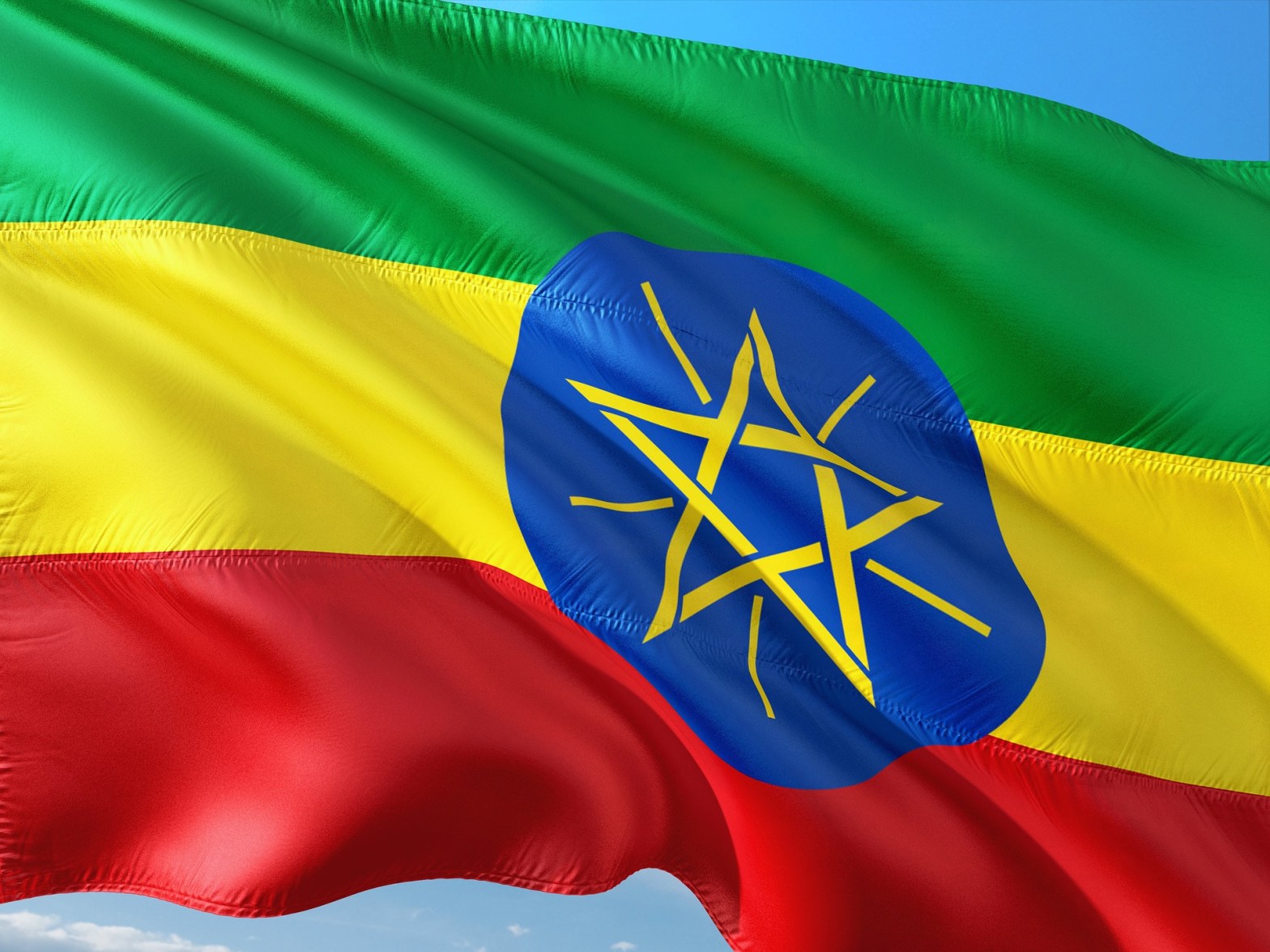
Ethiopia is among the oldest countries in the globe. It is being housed in the Horn of Africa, along with Djibouti, Eritrea, and Somalia. The capital of the country is Addis Ababa, which is located near the heart of the place. Ethiopia, moreover, is known to be the most populated place in the Horn of Africa.
Although there have been a lot of issues that has not yet been given solution in the country, like famine — which is being tackled by Byron Conner in his book The Face of Hunger: Reflections on a Famine in Ethiopia, it is still rich in history and culture. That said, provided below are the basic things that you need to know about Ethiopia.
People
The people in Ethiopia are referred to as Ethiopians. Moreover,the country is filled with diverse ethnic groups, resulting to the emergence of several languages. Ethiopia has a total of 100 languages that can be narrowed down into 4 categories, which are the Semitic, Omotic, Cushitic, and Nilotic. The first three groups of languages are fragments of the Afro-Asiatic family of languages while the last one is a portion of Nilo-Saharan family of languages. According to Encyclopædia Britannica, the ethnic groups in Ethiopia are composed of Oromo (35.3%), Amhara (26.2%), Somali (6.0%), Tigray (5.9%), Gurage (2.7%), Sidamo (4.3 %), and a whole lot more.
Culture
Like all other countries from all over the world, Ethiopia also has a rich cultural heritage. The customs and traditions that were created from the past are still being preserved at the present, which are evident in the country’s languages, religions, and more. The families of languages and religious groups in Ethiopia have their own group traditions. Although they have their own practices, there are still similarities in the norms that create firm and distinguishable national attributes.
The Ethiopian Orthodox Church has left a big influence in the country’s cultural heritage. Their most important national holidays include the Easter, Christmas, and Meskel — also known as the Finding of the True Cross. But in to lessen the superiority of Christianity, the EPRDF-led government and Derg raised the condition of Islam and proclaimed Id al-Fitr and Id al-Adha were proclaimed as major Islamic holidays.
Food has played a big role in uplifting the Ethiopian culture. Their unique but special cuisine has garnered a worldwide reputation. Wats and alechas are among the notable basic dishes in the country. These two dishes are stews that are made up of fragrant spices and pungent vegetables.
When it comes to the creative side of the culture, Ethiopia has a wide array of music produced by the nation’s diverse groups of people. Several of the songs are composed using the Amharic language. Moreover, the literature of the country is written in Amharic while there are others that are written using the Ge’ez language.
Ethiopia, furthermore, also has different establishments that aim to preserve its rich cultural heritage and history. The National Museum of Ethiopia, National Library and Archive of Ethiopia, and Museum of the Institute of Ethiopian Studies are among the best examples of the notable cultural institutions.
Economy
Ethiopia once had a progressive economy, but it didn’t prosper longer. Today, the country is still known to be among the poorest nations in the continent and the world. Despite from the economic downfalls and challenges that it faced, the economy of the land continues to strive.
The country is popular for the riches of its agricultural land. Regardless of the deforestations, erosions, and other events that harm the nature, almost half of the land is still capable of being farmed and cultivated. Almost all of the reserve lands are found in the parts of Ethiopia that possess good climate conditions that are best for agriculture.
When it comes to the amount of livestock, such as cattle, Ethiopia made it to the list of countries in Africa that are abundant in livestock. The moment when the grazing areas are being handled in a better way and the breeding are managed well, the livestock in the nation is constantly developing and has the possibility to meet the internal and external market demands.
Nearly 50% of the GDP of the country was conquered by agriculture. However, it is not the only one that propels Ethiopia’s economy because fishing, minerals, hydroelectricity, manufacturing, finance, trading, transportation, and other services are present to complete the 100% GDP of the country.
 Alex Writes